Software
Houzz Logo Print
diymanco

10% grade sloped backyard - ideas?

7 years ago

Just closed a new construction in CO where the house is on a slope. Builder recommends that I maintain 10% slope at the backyard. I already see that backyard remains wet due to constant sump drain + neighbors sump & roof drain.


Am interested in fixing wetness & have a patio with fire pit.


Called in a few landscapers, while they are suggesting nothing special required for water drainage &
I can go with paver patio with 1% grade. I am concerned that there might be water seepage into foundation as well as builder's warranty will be void if slope of backyard is altered!


Any ideas on how to solve this and have a decent landscape?


Other details:

Walkout basement

backyard: East facing

backyard slope: 10% slope 3/4th at SE side and 15% slope for rest 1/4th at NE side

Comments (5)

  • PRO
    7 years ago

    Can you add photos that show conditions including surroundings? No close-ups.

  • 7 years ago

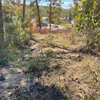
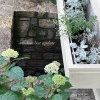
    here are a few photos.


    Below is the wet zone!


  • 7 years ago
    last modified: 7 years ago

    We still need wider photos. What is the gravel to the left in the last photo? Is it over dirt or is it a French drain? Where is the neighbor’s water coming from? What is below your yard? You have to show not only your yard but also the surrounding yards that influence yours and that yours influences.

    I also respectfully suggest that “remains soaking wet” on a house where you just closed is a bit of a leap. I have areas of the yard that are currently soaking wet that within a few weeks won’t be, including an old farm pond area that can be mowed by summertime because it is totally dry but is currently quite literally under water with ducks paddling.

    So I would likely be a bit patient here. Watch how moisture changes across the course of a year or at least a summer. See how the builder’s grading works so that if he left issues, he is responsible, especially with regard to the neighbors’ outflow.

    Do some research about your area’s regulations about sump pump and roof drain discharge. Does it need to remain on your property? Does front vs. back yard matter? Can it be directly discharged into storm sewers? Different areas have different regulations, and you should research your municipality to find out the rules you need to comply with, not just rely on what the builder did. IME some are ethical and some cut corners.

    Look at how you want to use the yard and see how that changes once you live there. As a small example, in my yard a fire pit would be a waste of space because the evening mosquitoes are horrendous for most of the part of the year it would be used. So there may be aspects of the yard (neighbors, traffic noise, wildlife, sun direction and heat, etc.) that will alter your current wishes once you have been in the house a few months.

    IME waiting to make major outdoor changes until you actually know how your family will use this particular space is often helpful in order to spend your outdoor budget in the most effective way.

    Consider setting up a small seating area and a few large pots of flowers to get you through this summer. I do understand about wanting to get the yard finished (as someone who had to wait 3 years to start yard work due to issues like foundations and roofing needing replacement), but I do think that in this case, patience might be the better choice.

    diyman Colorado thanked NHBabs z4b-5a NH
  • PRO
    7 years ago

    I would leave this until you have had a year to see the water issues and your neighbors water should not be draining into your yard. IMO you need an expert on water isses to see what can be rectified and then get a lanscape architect to design around the issues. As mentione just asmall area for now to enjoy.

    diyman Colorado thanked Patricia Colwell Consulting
  • PRO
    7 years ago
    last modified: 7 years ago

    As Babs said, since the pictures don't give knowledge about what surrounds your property, it's speculative to give advice.

    Your downspout tail is aimed directly at the base of what might be your neighbor's retaining wall. This seems wrong when it looks like the downhill direction is the way the back of your house faces. The entire side yard should not be graded downward toward the neighbor's wall, but troughed such that water is channeled in the direction of the back yard. By "trough," I do not mean as an obvious engineering structure, but subtle, such that it would not impede grass mowing.

    It may be possible to discharge the sump drain via a buried pipe, at a point further downhill. (Alternatively, the flow could be channeled in a "flume" on grade.) However, this (both solutions) is highly speculative because of our not knowing what's there. If this ends up dumping water on the downhill neighbor's patio, they're not going to like it! And surely, and rightfully, dispute your solution to your own drainage issues.


    Adding a paver patio is not going to cause more water to seep into the ground, close to the house, unless the patio is somehow damming water, keeping it from escaping in a natural drainage flow. You didn't give any indication of where your patio would be located or how it would be laid out, but if you follow ordinary rules of common sense it should not be a problem. You might sketch out your intentions and submit them here. A paver patio is going to require some curbing and/or retaining wall in order to support and restrain the pavers.

    diyman Colorado thanked Yardvaark