

Two Questions 2 Different houseplants
I have a 4 year old Peace Lily I repotted with contaminated soil. My plant never had problems before. Now it has white mold on the soil. I've tried spraying with diluted alcohol, diluted hydrogen peroxide, cinnamon, and lastly I've been diluting neem oil in water with Seventh Generation dish soap. I'm very allergic to mold so I can't just wait for it to dry out. I have to remove it every other day. The soil never gets to dry because of the failed treatments. How do I stop this mold? Any advice would be greatly appreciated.
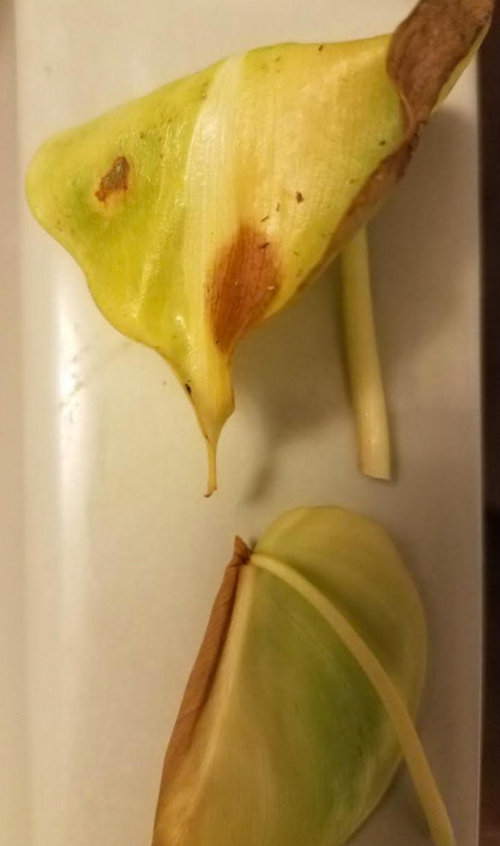
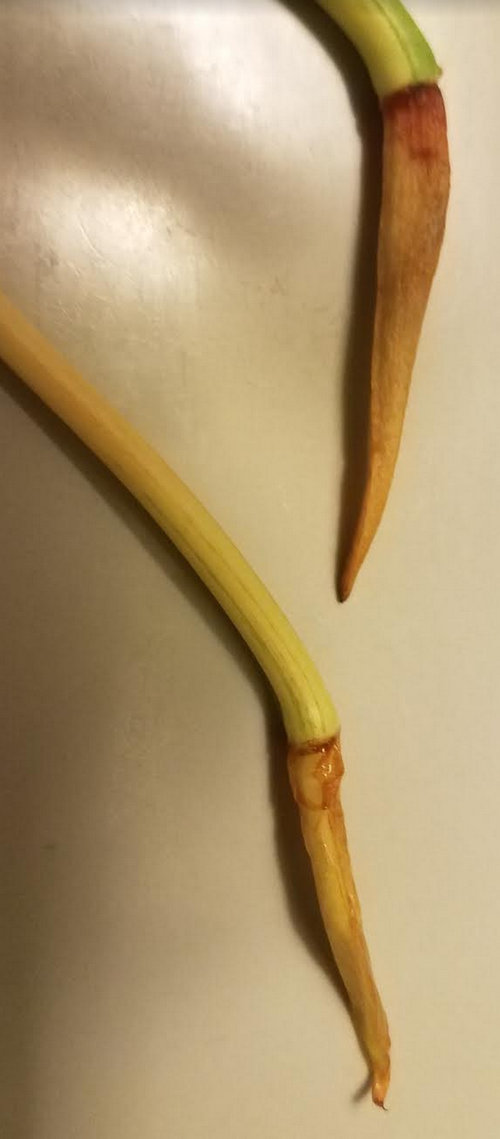
Second, I was given a Philodendron Brasil for my birthday. It was doing great for 2 weeks, new leaves opening, then all of a sudden, dying yellow leaves in the center. Also, new baby leaves only half way opening, turning brown and dying. Then whole baby leaves never opening and dying. I've tried many things for this too. I'm going to wrap up this question as I was about to post and everything got deleted. I'll try to attach photos to show you what I mean.
Any insight or advice would be greatly appreciated for the Peace Lily (soil mold) and or the Philodendron (losing leaves and baby leaf buds dying)!!
Comments (15)
 7 years agolast modified: 7 years ago
What kind of 'contaminated' soil pls? Sounds like a bad idea, nothing I'd ever recommend. Sounds like you've done so many different things to the Peace Lily, I'd throw it out, get a new one & start over, NOT applying anything to start.
Don't wish to be rude, but pls show us pix of the whole plant, including the soil & the pot if possible.
Pls understand that showing us pix of your dead leaves, tells us little to nothing, just shows us dead leaves. That's not anything we can really diagnose from.
If you wish our help, pls help us to help you by posting pix which show us the actual plant, not a verbal description, which often is of no help to us diagnostically.
ETA: sorry you lost the pix from your post, pls try again. Also in future, if you copy your post as you're writing it, if something goes wrong, you'll have it partially captured in your 'Copy/Paste' memory, should you need to re-post.
 7 years ago
I'd also question the 'contaminated soil'........conaminated with what?
Commercial bagged potting soil contais a certain amount of organic matter that when conditions are right will begin to breakdown and decay. Part of this very natural process is the OM being consumed by existing fungal organisms. Without any proof the contrary, what you are seeing is not mold but fungal mycelia. And again, is completely natural, not a sign of contamination and of itself, harmless.
But those 'right conditons' for this mycelia to develop generally include too moist soil, either from overwatering or because drainage is poor. And that is the same reason your plants are struggling - excessively wet or water retentive potting soil.
Without photos it is impossible to tell if your plants are too far gone to resucitate. But sitting around in too wet potting mix will typically lead to root rots and eventually death. If still viable, they need to be repotted ASAP in a decent textural and well draining soil mix, something like the 5-1-1 mix discussed at length on the Container Gardening forum (here as well). And water only when the plants need it, not on any set schedule.
Related Professionals
Ocala Landscape Architects & Landscape Designers · Georgetown Landscape Architects & Landscape Designers · Wausau Landscape Architects & Landscape Designers · Yuba City Landscape Architects & Landscape Designers · Vincennes Landscape Contractors · Frederick Landscape Contractors · Mason City Landscape Contractors · Greenfield Landscape Contractors · Bangor Landscape Contractors · Sacramento Landscape Contractors · San Jose Landscape Contractors · Richmond Interior Designers & Decorators · Pittsburg Interior Designers & Decorators · Fayetteville Interior Designers & Decorators · Oxnard Interior Designers & Decorators
Lisa K
Original Author7 years ago@Karen S. (7b, NYC)
@gardengal48 (PNW Z8/9)
Thank you for your replies. To answer your questions, when I said contaminated I was referring to the mold/fungus that was in the bag of soil I purchased. I emailed the company and got a reply from them. They confirmed the bag was old and that sometimes things like fungus can grow in the bag. He advised me to spray it with the diluted hydrogen peroxide. When I wrote back and told him the fungus kept returning, he replied to let the soil completely dry before treating the mold again. The problem for me is I'm very allergic and while the soil is drying it is proliferating mold spores before it gets to dry.
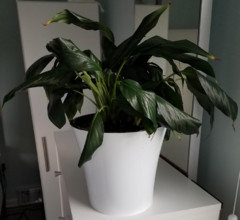
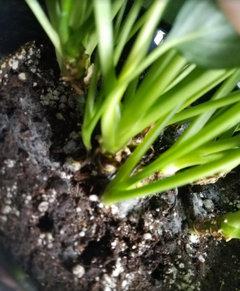
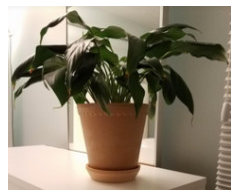
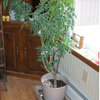
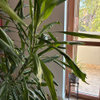
I will include a picture of the mold as well as the whole peace lily. After seeing the photo of the peace lily plant, should I give up on fighting the mold and throw it away? It's 4 years old and was doing well. Since I've been fighting the mold though the leaf tips have browned. It may be from all the moisture from the treatment sprays mention in my post. I also moved it close to the window hoping the soil would dry out but I'm also afraid it's burning the plant. I'll also add photos of the Philodendron.
@gardengal48 (PNW Z8/9)I have read people like seeing the mold/fungus on their soil. They feel it's telling them that the soil is high quality since the mold is growing on it. It all may be true. I just don't want to live with it because of my allergies and I've been sick twice since this started.
I waited weeks before watering my plants until I thought they were dry. I may have been wrong so I bought a moisture meter going forward. The peace lily I bought 4 years ago and it soon showed signs of bugs or mold that wasn't going away, I can't remember which. I do remember I washed the plant and treated it with Safer's 3 in 1 and re-potted it in the Promix soil. It worked and things were fine for 4 years. I re-potted it in early May and used Promix soil and the fungus showed up in 2 days only on the soil.
I searched YouTube and found Planterina. She recommends when re-potting to use 60% coco coir or peat and 40% nutrition and aeration. I did that and used worm castings for nutrition and pumice for aeration. She also recommended putting horticultural charcoal on the bottom for drainage. I did that too. I couldn't believe fungus grew on that new soil (not the plant) again!! When I pulled the peace lily out to re-pot it, I did see some dark brown roots and removed them. I was in the hospital 3 years ago and the plant went through several events of almost totally wilting and coming back alive again. But that was 3 years ago. I think I found a portion of it that suffered and removed it. Maybe that's the part the fungus is depending on even though I thought I cleaned it all off. The fungus isn't growing on the plant though just the soil.
Both plants have drainage holes. The peace lily is inside a decorative pot.
I'll try to add as many photos as I can. This is where my post got deleted. Please let me know if your thoughts have changed once you see the whole plant. The photos of the whole plants don't show any leaf issues because I removed them as I saw them. Thank you so much for taking the time to reply!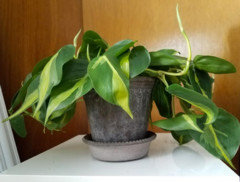
- 7 years ago
It is only poor soil quality and over watering. Repot in a better quality soil mix with far less decomposable material and less chance for excessive water retention. You should have much less of an issue with mold/fungal growth.
Lisa K
Original Author7 years agoThank you, @gardengal (PNW Z8/9)!
Do you think it's appropriate to re-pot both plants to solve the issues? The philodendron may possibly be recovering. I finally see a baby leaf about to open without turning brown.
As for poor quality soil, I though I bought good quality when I just recently re-potted after the Promix moldy soil. I went to a different mom and pop well loved garden center and bought:Hoffman organic Canadian Sphagnum Peat Moss
Earthworm Castings Unlimited, OMRI Listed
Hoffman professional horticultural charcoal
On Amazon bought - Superfly Bonsai USA Pumice
I thought I did buy good quality. Perhaps I used too much of the worm castings and it's making it too wet?- 7 years ago
The peat is likely the issue if that makes up the bulk of your mix. It is excessively water retentive and of a too small particle size. Worm castings don't help and actually can contribute to compaction and therefore water retention. And the charcoal really does not much of anything at all.
A much better solution would be the 5-1-1 mix or 5 parts composted bark fines to one part peat and one part perlite or pumice. The bark has the size and durability necessary to provide fast drainage and proper aeration and is very slow to break down. Both the peat and perlite provide some water retention but not excessively so in that proportion and the perlite offers aeration and durability as well.
I have used this mix (or with slight modfications) for going on 25 years and have never once had an issue with root rots or soil mold or fungal growth. There is a darn good reason it is so highly recommended!!
Lisa K
Original Author7 years agoThank you again, @gardengal48.
I trust your experience and it makes sense to me. I also think that my pot is too big for the peace lily. Maybe even for both plants.
I'm not an experienced gardener at all (as you can probably tell ;) and I'm not familiar with composted bark. Where is the best place to buy a little for a houseplant? I see online sellers that are selling "aged bark" is that the same thing?
I'll bet your 5-1-1- mix is perfect although I'm a little frustrated about buying more products. Especially when I'm obviously not good at mixing the parts. ( I still have leftover peat, etc. though) I googled composted bark and saw on shopterrain.com Coast of Maine Blended Potting Soil for $8. It's listed as being made up of compost, seaweed, aged bark, peat, perlite. I may try that.
Any advice on purchasing a small amount of composted bark?- 7 years ago
Aged bark could work. Have to see it to know for sure :-) You don't want the pieces very large...about 1/4" or so. Lots of times this is sold as a soil conditioner so look for bags of those to see if they would work. And in a pinch, repti-bark (sold in pet stores) or mini orchid bark can work also
- 7 years ago
Your plants look good and healthy. Maybe the soil was a bit wet but it will dry out. Leaves come and go - no big deal as this is what nature does - nip them when they are yellowing, too aggressive or bushy, or just ugly.
Peace lilies are tough as army tanks. I have two (now three), one from my grandmother's funeral (85?) and one from my brother's funeral (97). I don't recall why they both looked dead many years ago - neglect more than likely by not watering them when they needed it or doting too much such as overwatering, maybe a late frost or sunburned. Seeing how they looked dead I threw them both on the compost heap and the heap was getting larger with cut grass, leaves, dirt, and used potting mixes through the growing season. The next year my wife wanted me to move the heap to the back of the lot so it took many wheelbarrow trips to do but I discovered a green object in the middle of the pile and found one of the peace lilies waking up after a winter's rest. Digging further on I found the other peace lily in good shape too. I potted them up later that day or the following week and still have them today. They are not stellar looking because I just keep them going with a little extra soil, nip the old ugly leaves, and treat them as any other plant. My Philodendron 'Brasil' like yours was put in a large urn and I barely water it in winter. In summer it goes back to growing and in fall I end up cutting may long vines off to bring the urn back inside. Easy-peasy.
My point is it isn't a big deal about a spot or two on any plant. Most are considered weeds from another part of the world but we dote on them way too much.
Brasil philodendron mid July with an assortment of ferns (tropical) two years ago.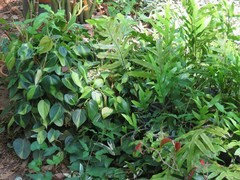
The two peace lilies surrounding Begonia 'Selph's Mahogany' middle of September 2017. One is 20 years old and the other over 30.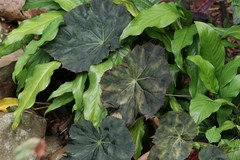
Lisa K
Original Author7 years agoI appreciate everyone's advice!
@hc mcdole Thank you for trying to comfort me. (Your plants are stunning!)
The first several yellow leaves on my Philodendron didn't alarm me too much. The photo of my Philodendron looks decent but it lost a lot of leaves in about 2 months and that is when I wanted to find what was wrong. I lost a lot more than I posted pictures of but they all looked the same, either yellow leaves with brown spots, baby leaves half opened that turned brown on the unfurled part, and baby leaf buds that completely died a rusty color when they didn't even open. About 8 baby leaves died unopened that way. I've been reading a lot and looking on YouTube. I think it may have been a few possibilities. I lost another baby leaf bud today but also one is looking like it's opening as it should, so hopefully it's on the mend. I think it likes to get really dessert dry before watering, I may have watered it too soon. Or maybe it was still just adjusting from the nursery to my home. Getting bugs and fungus 3 weeks after having it made everything worse. The store did have gnats flying around but I wanted to get a plant so badly at the pretty store. It looked bushy and healthy. Now it's a little flatter and longer than it was.
I love your story about your Peace Lilies! I've heard that they can take a lot. Because of my undying mold issues on the soil I've repotted my peace lily for the 3rd time in less than a month! It's either get rid of the mold or I have to get rid of the plant. I cleaned all the roots the second time and would you believe that root rot can start in just a couple weeks. It was most likely too much peat as gardengal48 said. It was too wet and probably still had mold spores from the other bad bag of soil I used the first time. When I pulled out the plant it already had several fully mushy roots in just a couple weeks. It smelled like the mold that keeps showing on the soil. I cleaned the roots and pruned off the brown ones. Sprayed some diluted neem oil on the whole plant. Then since a large part died from when I neglected it years ago in the hospital I went down 2 inches in pot size. I went to the Terrain garden center and the woman there said she really liked the Coast of Maine plant medium. I'm a little intimidated to do my own mix again right now so I went with that. It does have some nice stringy bark. (Thank you, @gardengal48)
The peace lily looks pretty good so far in it's new smaller pot. It was a tight fit which I think it will do better in for now. When I bought it 4 years ago I was traveling for work so I bought a self watering pot which I heard you can do for peace lilies. It seemed ok in it, it would flower each summer but the spathes were small. This time I put it in a terra cotta. I have to say though the Coast of Maine bag had a moldy smell when I cut it open in my opinion but I didn't see any mold.
I have some photos but my phone is taking a long time to upload them. We'll see what happens next. Thank you all again!- 7 years ago
Uploading photos from your phone to GW is due to the photo file size, not the phone. If you could reduce the size for sending, it would be a lot quicker. I download photos from my cameras and phone to my laptop, do basic editing if needed and orient them in the right direction too, then I run each file through a resizer program (free) for email purposes (also use the same size for GW). If I try to use the original size, it often times out and I lose all my typing as well. GRRR!
Repotting a plant 3 times in a month is pretty stressful. Just going from the nursery to a retail store to a home is stressful enough - Give it time to adjust to its new permanent home. HAHA!
As for mold and fungus gnats - this is probably due to the soil being too wet. Let it dry out some before watering again. Welcome to the world of gardening!
I quit making my own potting mixes a long time ago - seemed more expensive and more work for what? I just buy the very large bags of Miracle-Gro potting mix at Home Depot for years now and most plants are right at home in it. Fine Gardening Magazine gave it the best buy 2 to 3 years ago in their tests - not that I needed their results since I had been using it for years. Not perfect as I will find an occasional gravel or long stick in the bag but I just toss those aside. I grow hundreds of houseplants though so I don't want to be playing with mixing ingredients. I move them out in spring and back indoors for winter - a huge job but so far I have found it worthwhile.
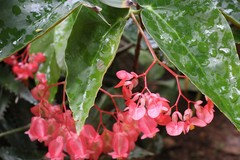
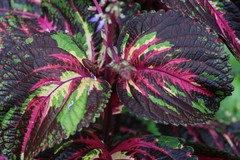
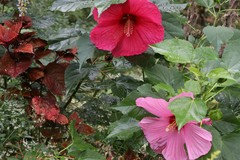
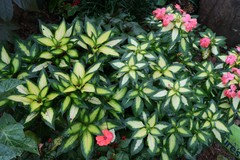
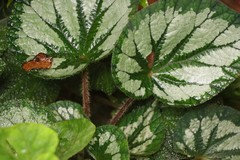
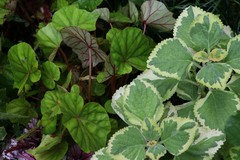
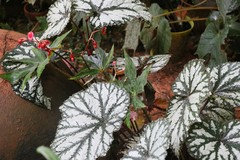
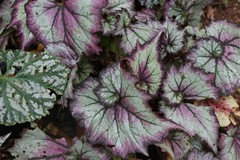
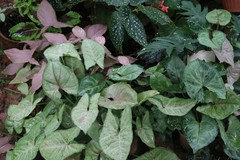
My main passion is begonias but also grow a lot of interesting houseplants and then there is the outdoor plants for our region. Here is a sample from last August 29th of houseplants and in the ground plants.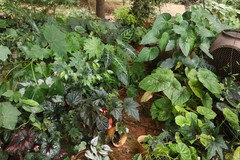
Lisa K
Original Author7 years ago@ hc mcdole You have very stunning plants and with Miracle Grow. I've seen people regard it badly and some love it.
What photo resizer app do you use to resize your photos?
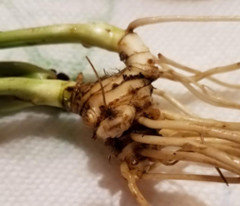
I had my peace lily for 4 years now but I moved a year ago. It just recently showed problems when I bought a bag of soil that ended up growing fungus within 2 days of re-potting. It seem to have started with the bag of fungus soil but it may have been vulnerable because it did have a part of the plant deep in the soil that I think died a while back when I wasn't home to water it properly. On almost every rhizome there is a bulb like area that has a brown spot or circle that is brown, concave and squishy. The biggest one was on the plant that of course had a flower. I know you shouldn't re-pot when flowering but I had that endless fungus problem. I took a sharp sterilized knife and cut the circle off. On another plant in the same pot I cut into it and saw I think fungus growing inside the bulb like part. I discarded that one, but the one with the flower I did put in the 2nd re-pot and the leaves turned yellow and died.
Are those brown squishy spots normal or will they resolve with proper treatment? These are some photos from the 3rd re-potting.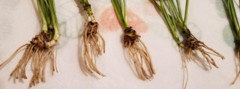
Lisa K
Original Author7 years agolast modified: 7 years agoThank you, @hc mcdole! I appreciate all your time! What lovely red flowers there!
I absolutely don't want to over water it or cause any harm this time. I do have a new question I hope you might be able to answer.
When I re-potted the peace lily I thought I would try a more expensive soil mix this time to possibly steer away from any problems again. I bought Coast of Maine Bar Harbor Premium Potting Soil. (It smelled kind of moldy to me, ugh! I hope it's just because I'm not used to it.) It's a mixture of well-aged compost, seaweed (ascophyllum nodosum), very old dark bark, peat and perlite. I added some pumice, about 15% for more aeration.
I watered the plant and let the water run out several times in a row. The wet soil on my moisture meter read a 5 and had me confused. I heard sometimes new soil needs to be soaked for a bit in a bucket of water. So I got a bucket and put the potted plant in and filled the water line to the soil line, let it sit for 30 minutes. The wet soil read 7.5 on the moisture meter!!! When I took it out and checked how it drained I got readings spanning 8 to 4 depending on where I probed.
I just started using a Luster Leaf Rapitest Moisture Meter. Usually when I just water the plant always reads 10+, the most wet rating. Am I using this meter wrong? I've heard it detects moisture through the salts in the water that is coming off the medium. That's why if you put it in a glass of plain water it reads dry. I know it has helped many people get a good understanding of how their plant is responding and some think it's inaccurate and useless. I'd like to keep using it. The chart it came with though says keep a peace lily at an 8 reading or higher! That seems pretty wet to me. It dries past an 8 in one day. I would be watering it daily!?!
For years I have watered it when it started to droop and the soil was really dry, perhaps that was too long. In this new brand of soil, in two days the plant drooped so badly, it was limp, I measured it with the meter and it read a 1. I watered it again and it perked up but the soil seems too wet. I'm so confused. Is it possible to have to water it every other day in a 5.5 inch pot? Maybe it's just while it's recovering from the repot?
I'm considering getting a wooden chopstick or skewer and using that on this soil instead to detect moisture. The plant root system is so small that sticking my finger in the soil seems really disruptive in the small space.
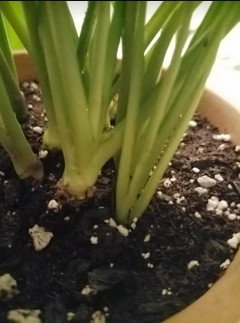
- 7 years ago
From what I have heard and read, most moisture meters aren't accurate or even read moisture - they really read the electrical resistance based on mineral content of the soil and water is the conductor. I think I remember reading one comment is to put the meter in a glass of water and see what the reading is. More than likely it won't read what you think it should. Your statements above are exactly what I have heard and read. I gave up my moisture meter decades ago.
A lot of old timers say the best measurement tool you have is your finger. Stick it in the soil an inch. If it feels dry, water. If it feels moist then hold off. After many years you kind of know by the looks of the surface of the soil if it is wet or dry. If a plant is wilted it may not be dry, it may have rotted roots and unable to provide water to the entire plant.
As for the finger test I agree with your sentiments - too many fingers in the pie leads to dirty fingernails (and lots of root disturbance?)
I think most folks dote on their plants too much (I've killed my fair share) and overwatering is the #1 culprit.
Peace lily - water thoroughly and don't water again until you see some droop or even severe wilt. They do spring back fairly well if not too far gone.Lisa K thanked hc mcdole








hc mcdole