Software
Houzz Logo Print
webuser_830002600

Heat or wilting?

7 years ago

Hello,

I am looking for some advice or direction for heat or a wilting problem in my garden. It might be something else so hopefully someone can help.


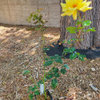
In my backyard, I have a good sized cone flower. It may be in its 2nd or 3rd year - when I planted it, I used garden soil mixed with the topsoil (which was a former garden according to the previous homeowners. It is mulched. It gets sun starting around 10 am and seems to immediately wilt - even today when we had rain yesterday and last night and its not excessively hot. Last weekend I took a temperature of the area and it was 81 or 82 and was wilting.


In my front yard (south facing) , I have a pair of Lavatera. This is their 3rd year, and yesterday and today they've both started to wilt. Again, it rained last night, its not too hot today - 80 - and they are mulched. They don't get sun until about 10 am also.


Both plants the - Cone Flower and Lavatera - I researched and saw they did well in heat and drought conditions. In the morning both will have perked up due to the temps but I don't think its healthy for the plant to wilt then perk up then welt again and again. I do have some really big Salvia in the front and have other Cone flowers in the backyard - near but not next to - the cone flower that wilts.


Has anyone else experienced this? Is it a soil, water, sun issue?


If a picture would help let me know.

Comments (5)

  • 7 years ago
    last modified: 7 years ago

    Hi Hu --

    Where are you located?

    It's funny you should say this, because I was noticing the same thing in my yard the last couple days, especially with the tithonia, serviceberry bushes, common nettle, and Autumn Joy sedum. The neighbor's peach tree across the way is looking positively wilted, as well.

    It's just a hunch, but I think the plants are adjusting to the drier air after all the late cold weirdness of the last couple weeks.

    Anyone one else's thoughts?

    HU-830002600 thanked Laura (Z5a Fort Collins, Colorado)
  • 7 years ago

    I am in Littleton. Thanks for the response, however, I don't think its an adjustment thing as I noticed it last year too. It happened all summer but I finally got around to asking about it this year as the plants are older and I did not think it would continue. For example, I planted Salvia 3 years ago, they wilted the first year but have done amazing since - 3 feet tall, never need maintenance.


    Thanks and hopefully others will see this too.

  • 7 years ago

    Hi HU,

    Here’s some miscellaneous info! Maybe some of it will help you!

    Plants can wilt from too little water, TOO MUCH water, and some plants wilt to help conserve moisture!

    If plants are wilting because they’re too dry they’ll perk back up again when they’re watered.

    If plants are wilting because they’re too wet they will not “perk back up” when they’re watered. Often by the time plants are wilting from too much water the roots are already rotting and it may be too late to save them! If in doubt, ere on the side of too dry—which may make the plant VERY unhappy, but is unlikely to kill it!

    But for some plants, especially some of the xeric perennials, they wilt to conserve moisture during the heat of the day. If you have plants that are wilting when they’re in the sun but they perk back up when they’re back in the shade—or over nite, odds are that they’re wet enough and it’s nothing to worry about.

    How wet the soil is in the top inch or two is pretty much irrelevant to the plants! To check for moisture dig down in “near” the plant—not digging into the roots—and dig deep enough that you get down to approximately the “bottom” of however deep the roots are for that plant. If the soil near the bottom of the roots is very moist or wet then the wilting you’re seeing is very likely just a plant that’s “taking a siesta” during the day! I just went out to verify what I already knew about some of my plants, and my black-eyed-susan, which is in the sun right now, is definitely wilting—I’m certain it’s not too dry. I have two small purple coneflowers and they both happen to be in shade right now, and they’re all perky looking—but they can get to looking pretty bad sometimes when they’re in direct sun for a while. And our “high altitude” sun out here is much more “intense” than it is for Low Landers, so it tends to be even more dramatic an effect out here than it probably is most anywhere east of here—or west of here, past all the mountains!

    Xeric plants have evolved many different ways to survive with little water, some have very small leaves or white/gray/silver leaves that reflect the sun, most have deep roots or deep taproots so they can access water deep in the soil, some have evolved ways to “store” their own water… Wilting is just one of the ways some plants use to survive—and thrive.

    Too much water causes far more serious problems than too little water, so don’t rely on the fact that something is wilting to decide it needs to be watered!

    When you water, water SLOWLY and DEEPLY. Most of us out here have some degree of clay/heavy clay soil and because of the “structure” of clay soil you must water slowly or much/most of the water will run off and never soak into the ground. If you’re watering and you notice water running off turn off the sprinkler, let the water soak in, and then turn the sprinkler back on for a while, turn it off again, turn it on again, etc! You MUST water deeply when you water—deeply enough that the water is soaking in to BELOW whatever the current depth of the roots are. If you’re only watering enough to wet the top couple inches you’re “watering for the people,” not the plants! Watering the surface will make you feel better, but it won’t help the plants much at all! To check to see how deep the water has actually gone after watering, wait a few hours after you turn off the sprinkler and then dig down in an “empty” spot where you haven’t recently dug, AT LEAST 6” deep—8” would be better, and see if the soil near the top is wet but it gets dryer as you go down. If it’s not pretty much evenly wet the whole way down it wasn’t adequately watered. If your soil is quite permeable it may be pretty easily for you to water deeply, but the only way to know for sure is to dig down in a few times after watering to see what’s happening below the surface. (And keep in mind that soil conditions can vary widely from one part of a yard to another.) Don’t water on “X” day or days each week! Water when the soil/plants need it, and if you’re truly watering deeply when you do water, many plants, especially xeric ones, will not need water very often. One more factoid! By watering deeply and then withholding water until the surface has dried causes the roots to “go looking” for water that’s deeper in the soil, thereby developing a good root system which makes for a much stronger and healthier plant. When plants/perennials are watered a “little bit” every couple days they NEVER develop a healthy, deep root system. Without a healthy root system the plants/perennials will never “flourish!” It can be hard to remember this when you’re walking around looking at flowers, but the roots are the most important part of the plant!

    From what you wrote it sounds to me like your “problem” is very likely just some xeric plants that are “taking care of themselves!”

    Link below to a High Country Gardens page the mentions “wilting plants.” Under suggestions, see #3!

    Skybird

    https://www.highcountrygardens.com/gardening/keeping-your-landscape-healthy-in-the-heat/ 

    HU-830002600 thanked Skybird - z5, Denver, Colorado
  • 7 years ago

    High Country Gardens does have some useful tips on their website. Thanks!

    Between that info and Skybird's experienced advice, I'd say we're set. :) :)

  • 7 years ago

    Yep! If only it would stop raining every afternoon so I could observe and change watering patterns

    Thanks