Software
Houzz Logo Print
lundief

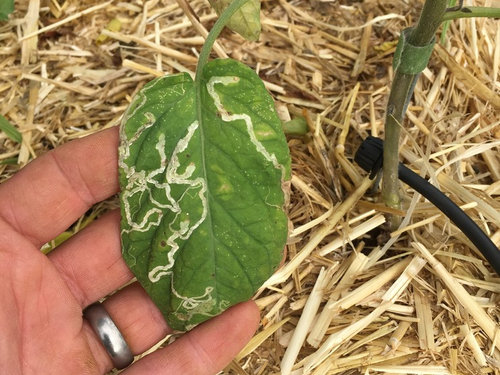
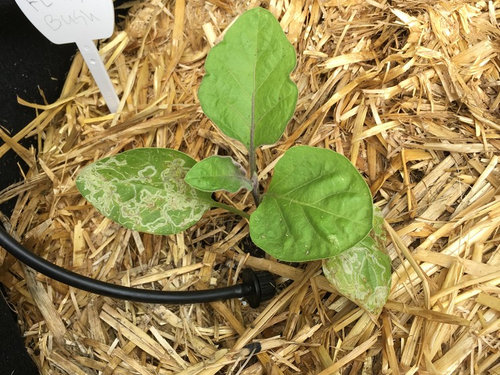
Leafminers in a big way

7 years ago
last modified: 7 years ago
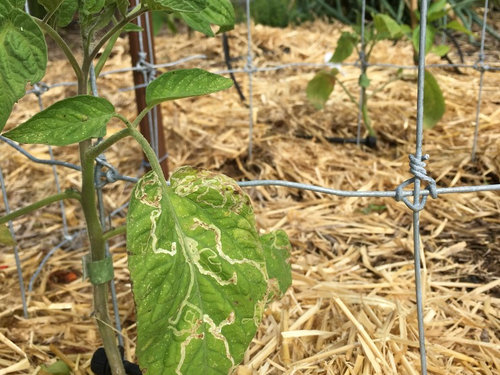
I've done the searches on here and read everything I can on leafminers. It sounds like they are resistant to just about everything conventional.

I put out yellow sticky traps, those are covered in bugs, but have done nothing to slow the leafminers down. They don't stop with the small plants, they're pretty much destroying my six foot plants too. Spinosad and BT sprays have no effect, Neem oil does not repel them at all.

I've read the suggestions to pinch off every infested leaf, but if I tried that I would just have bare stems.

The one University of California website suggests Abamectin, but I can't really justify the cost, this is a garden not a moneymaking farm.

The only thing I've noticed is that the plants with rugose leaves seem to get hit less, but I really don't want to be stuck growing only dwarves.

Open to any and all ideas, thanks in advance.


Comments (5)

  • 7 years ago

    Spinosad and BT can help with some species, and they're not very expensive. They're less to kill existing miners and more about reducing damage from future miners.


    They pupate in the ground, so beneficial nematodes can also help with long-term control. You could also get Diglyphus parasitic wasps, but that's pretty expensive, and shipping is always iffy during the hot months.


    The good news is that, unless the damage is very severe, it's mostly a cosmetic issue. I would still remove the damaged leaves to cut down on future numbers (don't just toss them on the compost pile or whatever--make sure to dispose of them in a way that will ensure the miners die). Remember with tomatoes that you can just remove the leaflets that show signs of feeding--you don't have to remove the entire compound leaf. With young tomatoes and eggplants, as long as the growing tips are intact, plants recover surprisingly quickly from even severe defoliation.


    A good way to naturally attract the predators of all kinds of garden pests is to interplant things that produce lots of small, open flowers. Think bolting cilantro, dill, and parsley, anything that produces umbellifers, plants like sweet alyssum, etc. This will attract parasitoid wasps, hoverflies, etc. in the thousands. You'll notice far fewer problems with small pests and even larger caterpillars if you do this.

    Mark Thompson thanked gorbelly
  • 7 years ago

    Thanks for the response. I’ll keep going with my weekly Spinosad and BT I guess. I like your advice on attracting predators too, I’ll look into those plants you mentioned. Do you think the yellow sticky traps do more harm than good? Wondering if they kill more beneficial insects than leaf miner flies and/or moths.

  • 7 years ago

    If you see too many non-pest species in the traps, then remove them. As someone who relies on predator/prey balance in the garden as my main method of pest control, I don't personally use traps.


    Another thing you can try is putting plastic down under your affected plants. When the larvae drop off to pupate, you can see them and destroy them.

  • 7 years ago

    Remember that a lot of Apiaceae that produce umbelliferous flowers are biennial. I leave some of my parsley to overwinter every year because the flowers the next year attract tons of hoverflies, parasitoid wasps, ladybugs, lacewings, etc. But second year parsley tastes really bland, so it's not for eating. Cilantro is an annual, though, and a plus to letting it flower (which it does quickly here, since it gets hot so abruptly once the warm weather sets in) is that the green coriander seeds are absolutely delicious and a hard thing to get in the supermarket. I use it as a spice, even eat them out of hand in the garden. And you can use them as flavoring for an amazing gelato! The Mid-Atlantic is a terrible place to try to grow cilantro for leaves, but it's great for growing it for coriander seeds.


    I find that sweet alyssum is a reliable annual that flowers all season, and predator adults really like it and will stay in your garden and breed if you plant a lot of it.

    Mark Thompson thanked gorbelly
  • 7 years ago

    Thanks for your detailed responses. ill see what I can do about planting flowering plants. In the meantime I’ll try laying down plastic under the plant, and keep searching for some type of repellent, because at this point it’s far more than cosmetic. Some of my adult plants have 90% or more of their leaves affected. The battle continues...

Sponsored
More Discussions