

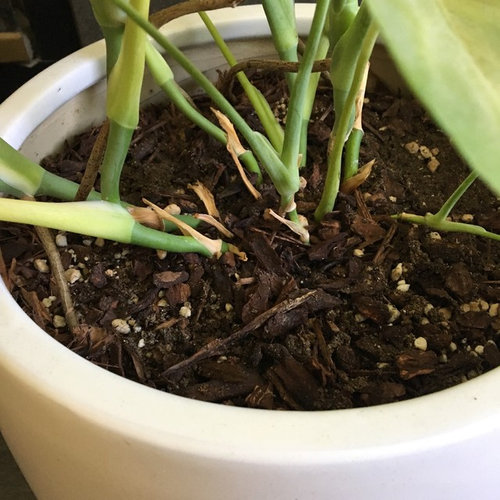
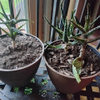
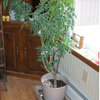
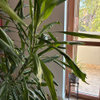
Help with a yellowing monstera
7 years ago
last modified: 7 years ago


Sort by:Oldest
Comments (3)
Related Stories
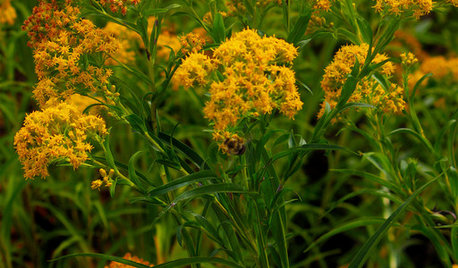
FLOWERS AND PLANTSThis Sunny Yellow Flower Helps Fall Pollinators and Landscapes
Oligoneuron riddellii’s distinct grass-like leaves and bright flowers jazz up the garden in the upper Midwest and Central Plains
Full Story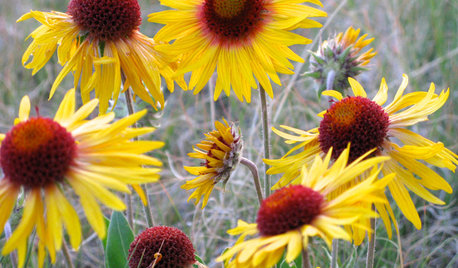
FLOWERS15 Yellow Flowers That Will Help Your Garden Glow
Your garden will look sunnier this spring and summer with one of these yellow-blossoming plants
Full StoryFLOWERS AND PLANTSBlanketflower’s Yellow Blooms Brighten Up Summer and Fall Gardens
Gaillardia aristata welcomes wildlife, shrugs off drought and poor soils, and can help restore grasslands
Full Story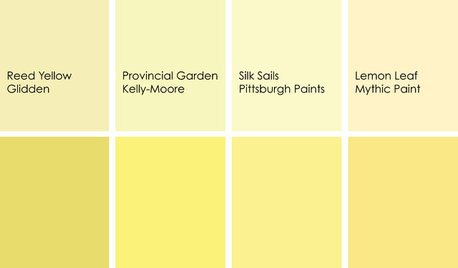
DECORATING GUIDESColor Feast: When to Use Yellow in the Dining Room
Make mealtimes a cheery affair with swaths of this sunshiny hue on your dining room walls, furniture or ceiling
Full Story
GARDENING GUIDESHartweg’s Sundrops Blankets Southwestern Landscapes in Yellow
The vivid flowers of Calylophus hartwegii add sunny color to drought-tolerant gardens from spring through fall
Full Story
BATHROOM COLOR7 Tips for a Sensational Yellow Bathroom
Counter the late-winter blahs with a blast of sunny yellow in the bathroom
Full Story
COLORBest Ways to Use the Soft Yellow Color of 2014
You may fall for PPG Pittsburgh Paints’ Turning Oakleaf if you like your hues warm, mellow and cheery
Full Story
HOUZZ TOURSMy Houzz: Saturated Colors Help a 1920s Fixer-Upper Flourish
Bright paint and cheerful patterns give this Spanish-style Los Angeles home a thriving new personality
Full Story
COLORDreaming in Color: 8 Eye-Opening Yellow Bedrooms
Start your day energized and cheerful with bedroom hues that sing of sunshine or golden fields
Full Story
Austin
Photo Synthesis
Related Professionals
Washington Landscape Architects & Landscape Designers · Farmington Landscape Architects & Landscape Designers · Idaho Falls Landscape Architects & Landscape Designers · Magog Landscape Architects & Landscape Designers · Rome Landscape Contractors · Torrington Landscape Contractors · Kankakee Landscape Contractors · Saginaw Landscape Contractors · Lincoln Landscape Contractors · Phoenix Landscape Contractors · Jacksonville Interior Designers & Decorators · Lake City Interior Designers & Decorators · New Braunfels Interior Designers & Decorators · Niles Interior Designers & Decorators · North Platte Interior Designers & Decoratorstapla (mid-Michigan, USDA z5b-6a)