

Planter mix zone A and B?
7 years ago
last modified: 7 years ago
Sort by:Oldest
Comments (3)
Related Stories
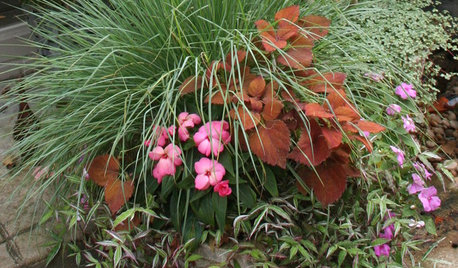
CONTAINER GARDENSContainer Garden Basics: Mix Textures to Catch the Eye
A mix of textures makes for potted gardens where each plant has a special role to play
Full Story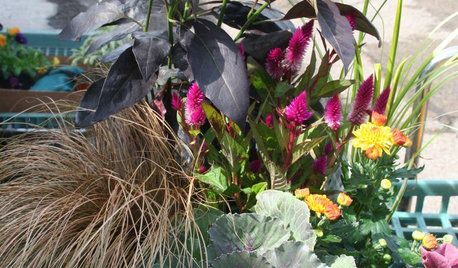
CONTAINER GARDENSNew Colors for Your Fall Planters
Take a break from the same old orange, red and yellow plants and enjoy some fresh colors in your pots this fall
Full Story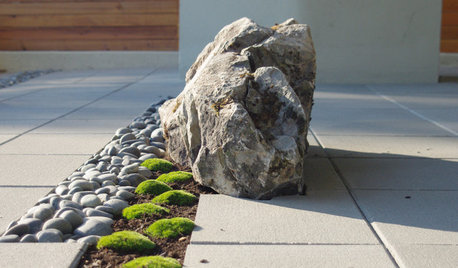
LANDSCAPE DESIGNDare to Mix Things Up in the Landscape
Courageously contrast plantings, materials and structures in your garden to create unexpected beauty and intrigue
Full Story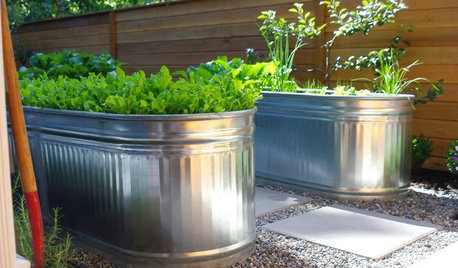
GARDENING GUIDESHow to Turn a Stock Tank Into a Planter for Edibles and More
Give your container garden a fresh look by converting a galvanized-metal trough into a large planter
Full Story
MOST POPULARKitchen Evolution: Work Zones Replace the Triangle
Want maximum efficiency in your kitchen? Consider forgoing the old-fashioned triangle in favor of task-specific zones
Full Story
SUCCULENTSAmazingly Low-Maintenance Picks for Outdoor Planters
Turn to succulents, cacti and ornamental grasses to keep your summer watering and care to a minimum
Full Story
GARDENING GUIDESMix or Mass Daisies for Two Great Garden Looks
The classic daisy looks equally beautiful massed in borders or mixed throughout a naturalistic planting. Which look suits your style?
Full Story
LANDSCAPE DESIGN12 Ways to Fill Your Built-In Planter
Use these planting ideas for in-deck planters and built-in containers to match any style of garden and sun exposure
Full Story
HOUZZ TOURSMy Houzz: DIY and Modern Mix Entertainingly in Vancouver
Film props mingle with toys, artwork and comfy furniture on the set of this personable Gastown apartment
Full Story
DINING ROOMSNew This Week: 6 Modern Dining Zones in Homes Big and Small
Look to splashy accent walls, right-sized tables and indoor slides to make the most of your open layout
Full Story
mblan13
Richard Brennan
Related Professionals
Branson Landscape Contractors · Green Bay Landscape Contractors · Pine Bluff Stone, Pavers & Concrete · Killeen Stone, Pavers & Concrete · Lincoln Stone, Pavers & Concrete · New York City Stone, Pavers & Concrete · Pittsburg Landscape Architects & Landscape Designers · Petersburg Landscape Architects & Landscape Designers · Fort Dodge Landscape Architects & Landscape Designers · Spanish Fork Landscape Architects & Landscape Designers · Olympia Landscape Architects & Landscape Designers · Portland Landscape Contractors · Concord Landscape Contractors · Mount Vernon Home Builders · Salisbury Home Builderstapla (mid-Michigan, USDA z5b-6a)