My builder uses Houzz Pro to plan the timeline and give detailed estimates and daily updates with photos of progress, and provide invoices at pre-agreed key points in the build. This made the whole experience much more efficient and stress-free.
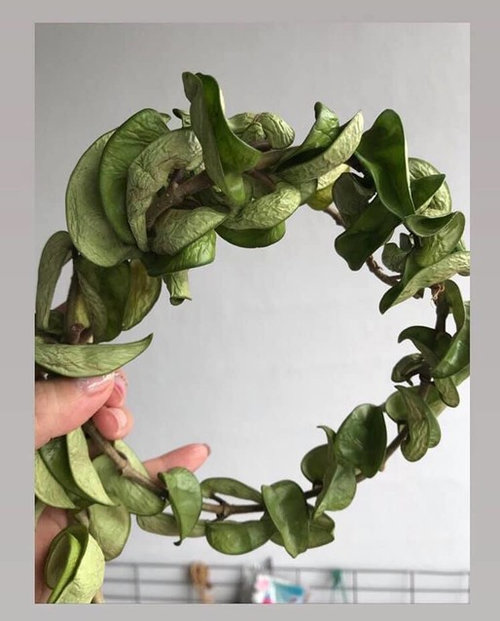
Somebody gave me this strand of hoya but it is all wrinkly with roots. I have since potted it in a terracotta pot and it has been around 2 weeks it still looks the same! I've got rid of yellow leaves, and trimmed the ends for more cuttings to be propagated in case this main one fails. It was placed under the shade, receiving at least 8 hours of indirect sunlight daily (I am in the tropics), with moist potting mix.
It looks dehydrated & thirsty, a plastic pot would be best so as not to draw water away from the plant. I'd soak it in water for a while, propped up so just the bottom inch or 2 of the stem is in the water. Once established it'd benefit from using a pebble tray.
It is dehydrated. I suspect it does not have functioning roots. You say it has wrinkly roots - what do you mean by that? May be the roots dried out.
Like most plants in a container it will prefer a well draining soil. I would take cuttings from this plant and start several of them in a good well draining mix. It would need a clear covering to retain humidity till it establishes.
I have one hoya and it is in a clay pot with gritty mix. It gets half day Sun but our temperatures are no where near the tropics. Every summer I cut it back (1/3 usually) to keep it at a manageable size. Here is mine taken a few days ago.
@tropicofcancer (6b SW-PA) It does not have wrinkly roots, I meant the leaves are wrinkly. How do I tell if the roots are dead? I checked but it is not rotten nor black in color. Just normal earthy colors.
You say the soil is moist - has it always been like that and still the leaves shriveled? If so I still suspect that the roots are somehow compromised. Can you take a pic of the root ball - may be that will give a clue. Usually, if you see roots circling around the outside then it means the soil is too wet. But if there are lots of roots just at the bottom then it the soil is too dry. These are just rules of thumb. If a plant has been in a pot for too long you may see both.
The main workhorse are white fibrous roots that do all the work of absorbing water and nutrients. Did you see any white roots? Roots suffer when the soil is too dry and also when too wet. Often problems occur when the soil is very water retentive and roots are deprived of oxygen. Most commercial garden soils are very water retentive.
I agree that something is wrong with the roots. But you can rehydrate the leaves by floating the whole plant in water for a couple of hours. stuff paper towels on top of soil and then tie a plastic bag around the pot, close to the stems to prevent the soil from spilling out.
you might need to do this sev times a few days apart. the leaves should plump up but it takes several dunkings.
Karen S. (7b, NYC)
tropicofcancer (6b SW-PA)
Related Professionals
Alexandria Landscape Architects & Landscape Designers · College Station Landscape Architects & Landscape Designers · Newark Landscape Architects & Landscape Designers · Elmira Landscape Architects & Landscape Designers · Killeen Landscape Contractors · Trenton Landscape Contractors · Wausau Landscape Contractors · Spanish Fork Landscape Contractors · Madison Interior Designers & Decorators · Aberdeen Interior Designers & Decorators · Parkersburg Interior Designers & Decorators · Anniston Interior Designers & Decorators · Bakersfield Interior Designers & Decorators · Redding Interior Designers & Decorators · Salem Interior Designers & DecoratorsREE NovaOriginal Author
tropicofcancer (6b SW-PA)
petrushka (7b)