Software
Houzz Logo Print
chichix85

Green caterpillar attack thwarted by systemic insecticide

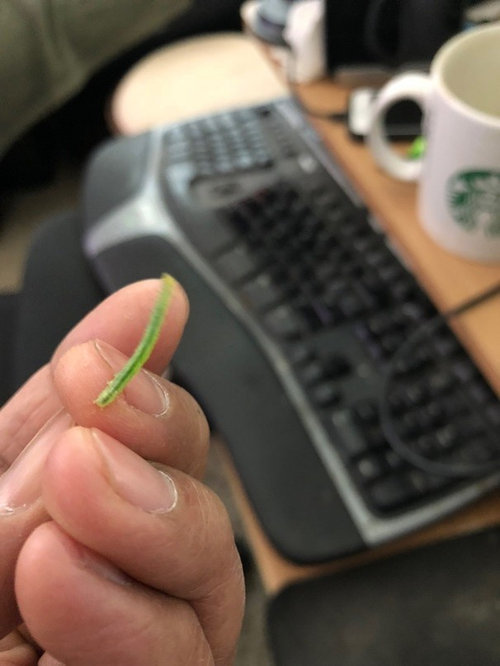
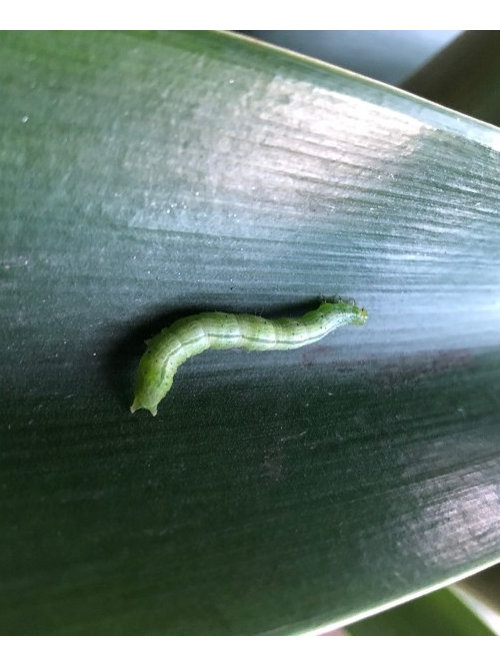
In October 2018, I had a rash of green caterpillars that attacked my Amaryllis out on the balcony.Spraying leaves with Neem oil had little success since they kept coming back for more. I must of found a little more than 14 over the period of several weeks. So this year, I've treated my Amaryllis to some systemic insecticide Dominion 2L every couple months.


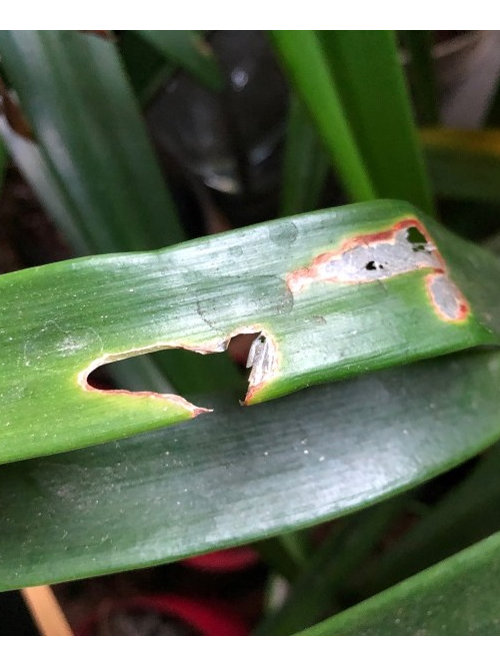
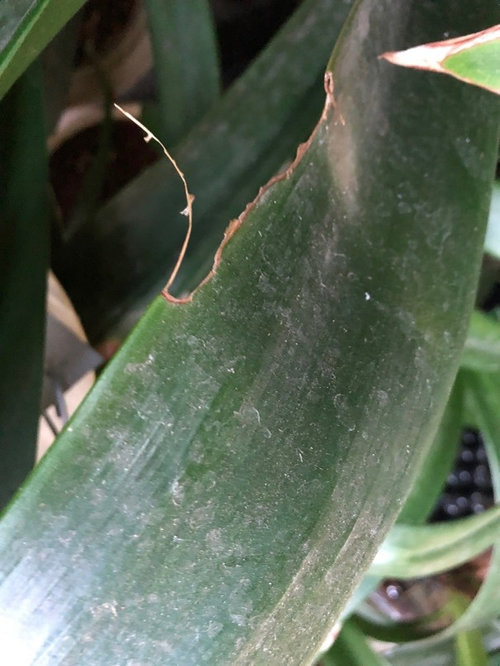
With the recent heavy rains this Spring in California they came back early this year but they only attacked plants that I failed to use the Dominion 2L: My seedlings and a Ruby Star. My presumption, the eggs were laid on many of my collection but the only caterpillars that survived were those plants where I didn't use insecticide.


Cute littler buggers.


From last year, this one grew big.


Seedling this year


Ruby Star this year


Comments (12)

  • 7 years ago

    Thanks Brian. I have also found that imidiclopid (active ingredient in Dominion 2L) works well in protecting my hippeastrum. I noticed a higher % of imidiclopid in this product than the product I use. What is the ratio of solution to water you use. I might try this.

  • 7 years ago

    The concentrate I buy from Amazon, the label recommends 2 tablespoons per gallon. I mix as recommended, then further dillute that into 3 gallons since It's more of a preventative.

  • 6 years ago

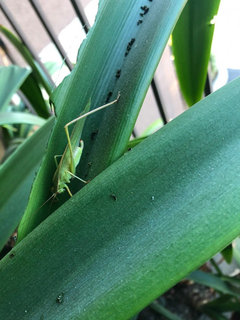
    Lapsed in my systemics with the last dosage in March. Found a grasshopper munching on the leaves of my Bogota.


  • 6 years ago
    last modified: 6 years ago

    Thanks, Northern Gardener for you concern with the well being of our polinators and others we share this planet with. I am with you on that, very much so.

    Now comes the however lol. I really need to read some literature that shows/proves damage when imidacloprid is used correctly in my growing conditions and here's why. I use imidacloprid on my hippeastrums only. Without it I would lose many plants to the narcissus bulb fly, lubbers and diseases (especially viruses) spread by chewing insects.

    Meanwhile, I have a strawberry tree and african blue basil plants some 30ft away that are covered with bees (as usual) and my rue plants are currently feeding a horde of swallowtails. Additionally, I have a new batch of green and brown anoles that just hatched so they are not showing any damage from eating insects in this garden. Oh and
    catterpillars are keeping the seminole pumpkins from taking over the yard :) So what I'm saying is that I am not seeing damage to this ecosystem when imidacloprid is used judicially and correctly. So maybe that's the key.

  • 6 years ago
    last modified: 6 years ago

    Jody,

    Yes, absolutely, it's being *aware* that makes the difference. I don't have any of those nasty nasties you have, not having the weather for them. (Yet another affirmation of the local aphorism that our weather "keeps the riffraff out." In more ways than one. Crossing my fingers that it may last, but no high hopes.) I also prevent my hippies from blooming in the summer (I want them to save their energy for the midwinter blooms I so cherish), so if I were to use a neo-nic on them, it would be fine. I'd also feel all right about using it on house plants. Can't think of any other outdoor plants it might be safe on. I could wish for roses: Japanese beetles decimate my display every single year, and I know of no good way to prevent that. :( Gotta consult Damask-Rose, I think!! :)

    I have just now thought about using it on hostas, if it were effective against slugs, and then I would just remove all flower stems (and believe me we're talking into the thousands, but I'd do it). But no! Apparently it doesn't kill the slugs at all but is saved in their bodies, creating toxic slugs, which kill off slug predators. Sigh. http://www.planetexperts.com/neonicotinoid-pesticides-creating-toxic-slugs/

    The use of these poisons has consequences that spread far beyond their intended target. I will always encourage seeking out all more focused alternatives before bringing out the nuclear option.

    Joan

  • 6 years ago

    Oh, one more thing, Jody: I would be interested in researching your "lubbers and diseases (especially viruses) spread by chewing insects". I'm a wimp when it comes to hot weather and it's going to be hot and humid here for the rest of the week. I'm hiding out during the worst of it. And I'd rather learn something useful than continually doom-scroll through the US national news. I'm altogether already too well informed. So what are lubbers, and what are your big nasty chewing insects? Not intending to educate *you,* but to learn more for myself about meeting challenges around the world.

    Joan

  • 6 years ago

    Thanks for the input Northern Gardener. When I did live at a house, the sucking bugs from nearby fruit trees and gardens just about destroyed all of my Hippies due to mosaic virus. Currently, I live in an apartment with no farmlands or gardens nearby though I do get the occasional hummingbird. Also, I have no runoff.

  • 6 years ago
    last modified: 6 years ago

    So, Brian, do your hippies bloom outdoors? Have you observed visitors? I've only had a couple of determined hippies bloom during the late summer/early fall over the last few years (bless them), but this year my goal is FAT BULBS going into northern hemisphere fall, so I've pruned off every emerging spathe. Which means I've had no opportunity to observe whether any insects at all might be attracted to these flowers. Therefore my question to you and all others who grow these plants outdoors.

    It might not be too dumb to ask the community about what kinds of insects they've observed visiting their amaryllis flowers, in what geographic area. Then we might have a better idea about potential dangers of using neonicitinoids, and how to obviate said dangers.

    Wise choices will vary, but we can't really know what's best without collecting experiences.

    It could be a very effective strategy for many at least casual (not house-overwhelming) growers, if they could use neonics (imidacloprid for one) in a bullet-proof way by having blooming plants indoors *only,* at the appropriate time.

    More discussion/ideas sought, for the benefit of the entire community in all our varying circumstances.

    Joan

  • 6 years ago

    Hi Joan yes they bloom on the balcony. I haven't noticed any flying insects attracted to the flowers such as bees or butterflies and the caterpillars were identified as a form of moth. The apartments do have Lantana Camara shrubs so I do see bees & butterflies among the flowers but they never visit my hippies.

  • 6 years ago

    Thanks, Brian, I'm not surprised at that report. I think it might be worth starting another thread on the Amaryllis/Hippeastrum forum, to see if anybody has ever noticed any insect or bird (hummingbird?) visiting their plants. Maybe this pollen isn't much use for anything except self/cross pollination. I'll wait a few days to a couple weeks (two daughters are moving in the next 10 days, uff da I'm swamped) and maybe float something on this forum at that time.

    Good talk, Brian and Jody!

  • 6 years ago
    last modified: 6 years ago

    Well Joan if you have any time, with two daughters moving, :)

    There are any number of articles on the Easter lubber grasshopper- the one on the UF/IFAS website is particularly good. I hope you never experience them. They seem to come in waves. A newly hatched group of nymphs can decimate a plant overnight. There have been years when I was picking off dozens of nympfs per day -- yes per day, shaking them into cups of alcohol. I don't spray as I seem to control them with my hunt and drown in alcohol method. It works if I am deligent. Nothing seems to eat them and if left to multiply..... I am hoping imidacloprid is helping but not relying on it alone.

    Mosaic virus is my main reason for using imidacloprid. This virus has decimated collections and any of my plants that show any sign of virus are gotten rid of immediately. I am on constant watch for this as there is no cure and it is spread mainly through chewing insects.

    The narcissus bulb fly has not been a problem for me, but has been for other members of this forum. Basically the fly lays an egg in the bulb and the larvae hatch and eat the bulb. Imidacloprid appears to kill the larvae before it causes irreparable damage or matures to lay more eggs.

    Looking foward to more interesting discussions after all the moving :)

    Jody

Sponsored
Custom Home Works
Average rating: 4.6 out of 5 stars10 Reviews
Franklin County's Award-Winning Design, Build and Remodeling Expert