Software
Houzz Logo Print
c1nicolei

Wasps on milkweed

7 years ago
last modified: 7 years ago

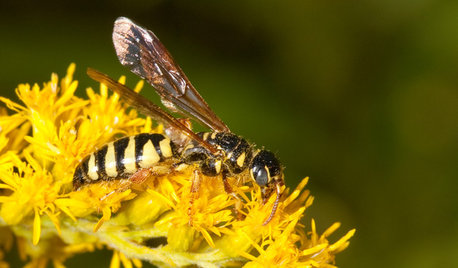
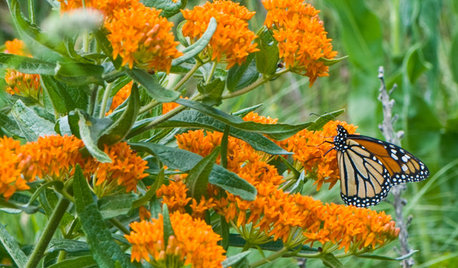
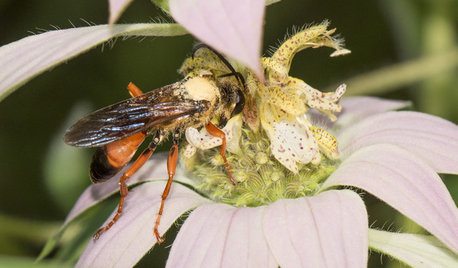
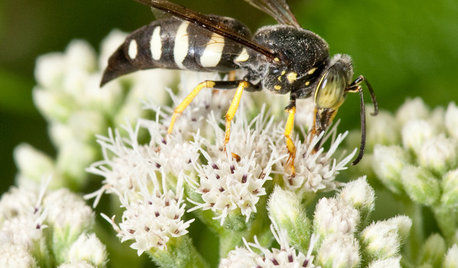
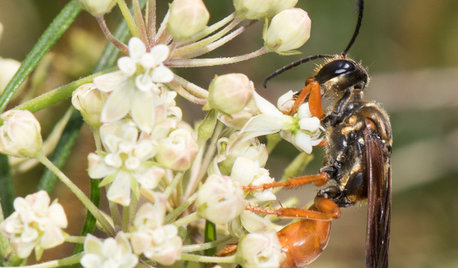
We plant milkweed yearly as we are on the migration route for Monarch butterflies to Mexico. This year there have been literal swarms of about 5 distinct species of wasps all over the milkweed. Bumblebees and Honeybees frequent many of our other plants, but I am highly allergic to wasps (epi pen required it is so severe). Anyone have any suggestions to deal with them? I know there are beneficial wasps in the garden, but fearful of getting stung by one. Could post pics of the various wasps, but pictures I snapped were from a distance, for obvious reasons, there were black wasps, narrow waist wasps, paper wasps, mud digger wasps, yellow jacketd etc..

Comments (10)

  • 7 years ago

    I've totally gotten into butterflies and building up a butterfly yard. This is only my fourth year of gardening here, and finally this year the predator insects showed up in a big way to combat the pest insects. I'm thrilled to pieces, but along with the good, the bad. Just a big balancing act. I didn't even know there WERE so many different kinds of wasps! The ladybugs showed up en mass early on, but I don't see many now. I suspect the wasps got them. I've also got all kinds of bees. And all kinds of butterflies.

    I cannot begin to think of how you could deal with the wasps without upsetting the ecological balance. I have no idea if I'm allergic to wasp stings, and hope I don't have to find out. My husband is pretty allergic. They used to bother me, but there are so many this year, I got over it. And though none of us wants a wasp sting (hubby had a hasty one a month or so ago), they are great to have as pollinators and great to have as killers of many of the bad insect pests. Until I get stung by one, I'm thrilled to have them.

    I am so sorry you're so allergic and have no help at all for you. Good luck.

  • 7 years ago

    Short of killing them with wasp spray (preferably completely outside of and far away from the garden due to its high level of toxicity), I don't know of any way to deal with them either. Unfortunately, wasps often prey on monarchs and their cats (and other butterflies and their cats as well), so it doesn't surprise me that you're seeing them on your milkweed plants.

    We try to leave the garden's ecosystem alone and let it function as intended, but I admit that the butterfly predators do annoy me. So, we do our best to ignore the wasps except in those cases where they build their nests in the garden, or on our house. When they build their nests on our house (or any of the outbuildings like the detached garage, greenhouse, the garden's tool shed, etc.), we use wasp spray to eliminate those nests. The risk of having any of us, but especially the grandchildren, stung by a wasp is our driving motivation in these cases. We have almost 15 acres of land, so I feel like they can find other places to build their nests....places we aren't walking by multiple times a day. If we see ground wasps or ground hornets build a nest in the garden, because of the danger to anyone walking through the garden, we usually drench those nests with a mixture of Medina orange oil and water. This does not eliminate all the wasps from the garden by any means, but we are not allergic to them, so we don't have to worry about them as much as you do. Drenching seems to work fairly well, but regardless of that, the garden still has plenty of wasps come to visit who aren't living within the garden and I just tolerate that because they are a very important member of the food web and ecosystem. Most years I don't get stung even once so it isn't my biggest worry---but I'm not allergic, so it doesn't have to be a huge worry either. Your situation is different, but I don't know of any way to eliminate only wasps from a garden. Even if there was some really strong pesticide you could spray, it would kill everything, and it would be only a very short time fix because new wasps would fly in within days....that is what they do, it is how they survive....they go to where they will be able to find food and, unfortunately, that includes our gardens.

    Our garden tends to be full of wasps throughout the growing season, but they seem to peak in August....around the time we are having lots of swallowtail and monarch caterpillars (among others) and that is sort of frustrating. I hate when the wasps are eating the eggs of desirable butterflies, or killing their caterpillars. You can put inverted netting type protectors over your milkweeds while monarch caterpillars are on them and that will protect the cats from the wasps, but short of wearing a beekeepers suit into the garden, I don't know how you can afford yourself the same protection. For the netting type butterfly protectors, some are sold commercially but the ones I've seen are too small for the milkweed plants that we have in our garden. Mesh pop-up laundry hampers are taller and less expensive and protect the caterpillars while they're feeding on the leaves. You also could put tomato cages over each milkweed plant while monarch eggs and caterpillars are on it, and cover the cages with a summerweight Agribon type row cover fabric....or Biothrips Proteknet netting or Micromesh, clipped close with clothespins to protect the plants, eggs and cats until after the new butterflies emerge. If your milkweed plants are purely for feeding the butterflies while they migrate and you aren't expecting eggs or caterpillars, you can just leave the milkweed plants uncovered. The migrating monarchs can nectar at all kinds of flowering plants, not just milkweeds. This doesn't make it any easier for you to go to the garden to work or to enjoy it, but it does protect the plants while cats are eating and growing.

    Any kind of pesticide you'd use to kill wasps would kill other innocent garden visitors, so you really cannot spray the whole garden for wasps, unfortunately, and I've already said that, I realize, but it is such a key point. There are phony wasp nests you can buy and hang in your garden to deter wasps from building nests there or from frequenting the garden. I haven't used these so cannot speak to their effectiveness but some folks feel like they work. There also are some wasp traps available if you want to go that route. Some people seem to have success when they use the non-toxic Wasp, Hornet and Yellow Jacket traps.

    You have my sympathy. I know it must be nerve-wracking to be allergic to wasps and to need to always carry your epi-pen with you.

  • 7 years ago

    Thank you for your generous input. We do not use pesticides, but will use DE. I think I will just have to plant my milkweed plants far from the house and not get to enjoy the butterflies up close. We have drives of honey bees on our sedum, but they never have been aggressive. The Wasps on the other hand can be VERY aggressive.


    OkieDawn you have some great suggestions. Will consider everything you have suggested.

  • 7 years ago

    I am not allergic, so I can’t possibly relate. I have a lot of wasps around and am always “in their face” taking pictures. They are not aggressive at all with me. I have been stung by a bald faced hornet in the neck about three years ago. Hurt like something else, but I did get too close to the nest without knowing. I did have something unknown sting/ bite me on the leg last Summer. Leg badly swollen and itchy for a week, but once again nothing really threatening. No solution for you, but I am truly sorry you can’t be outside to just enjoy the diversity and beauty of them all.

  • 7 years ago

    Yea, that was one reason I switched to Hummingbird gardening. It was great for a year or two, but once the PWs found my garden, not so much. I still have a few Common Milkweed plants, and every few years I'll get a tropical milkweed or two and have nectar plants (Tithonia, buddleia, Blu Mist flower and I got seed for the laitris Liguistylus for next year.

  • 7 years ago

    To c1nicolei, DE is a broad spectrum pesticide, albiet organic and natural. It can kill just about any insect and small arthropod it comes into contact with.

    I use it in my garage to help manage the lovely black and brown widow spiders that seem to think that their annual conventions need held there. But I never recommend its use in the garden.

  • 7 years ago

    I use DE as well, but have that same concern. My grandmothers home and garage became overrun with insects and nothing was working. I got a 25 lb bag of DE and spread it all over the place, mostly along the bottom of the wall and cabinets etc, it wiped out all the bugs. As long as you do not inhale it, great bug killer. We are blessed with many lady bugs and praying mantis, so far I have not been stung by the wasps, although my husband was but apparently they were active on a nest area that we removed. I am going to assume they are not aggressive when feeding on the milkweed, until I am proven wrong, I will let them milkweed, and wasps stay.

  • 7 years ago

    Wasps generally do not sting unless you're too close to their nest or you inadvertently make contact with them (like step or sit on them).

  • 7 years ago

    c1nicolei, what if you plant nectar rich flowers the wasps like more than milkweed further away such as Mountain Mint? Then deadhead the milkweed close to you. No flowers, no wasps. You would still be providing nectar, just not close up. Also, if you grow tall butterfly bushes or similar tall growing nectar plants, you would get to see the butterflies flying around the yard while the wasps would mostly be up high, away from you. Maybe a long distance camera lens could help too.

    Nancy RW, as far as your Ladybugs disappearing - maybe they ate all your aphids and moved on. That is what usually happens in my yard. Do you see wasps eating your ladybugs? Just curious.

Sponsored