I will try to keep this brief, but I also want to include as many details as possible so please be patient.
I have a dead Boule de Neige rhododendron and I’m trying to determine the culprit. It was planted in north facing foundation bed, zone 5b, July last year. There’s another on the other side of my porch - so NE - that came from the same source at the same time and is doing well. Around Sept, I noticed my NW rhody’s leaves looked a little droopy and a few were discolored. It was still pretty warm and my nearby hydrangeas had a bit of leaf spot and some spider mites, so I gave them all a little fungicide and neem oil spray. I don’t recall any change in the leaves after a few weeks but by then it was starting to get cold and the other rhododendron’s leaves were beginning to curl and droop as well. I figured it was just a consequence of the temperature dropping and left it at that until around Christmas when the weather was uncharacteristically warm. NE BDN perks right up but NW stays droopy.
My first thought was Phytophthora. I sent a photo to the man I purchased them from, Jim from rhododendrons direct, and he reported not seeing any sign of a fungal infection. I did further research and realized that particular foundation bed is approximately ~50 ft from a black walnut tree - well outside of the dripline but possibly in the root zone - hard to tell which roots belong to which tree, as there are several other trees planted around the black walnut. I was ignorant of juglone toxicity prior to this. I began thinking the BW tree was the culprit.
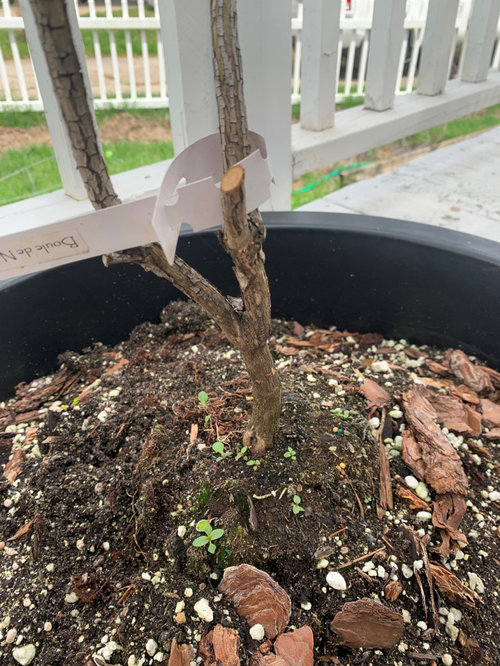
It was pretty warm here in south central Michigan for a few weeks after Christmas, so I dug up the rhododendron in question and put it in a shallow 24 inch container to keep it isolated in my garage until the spring when I could reassess and possibly relocate.
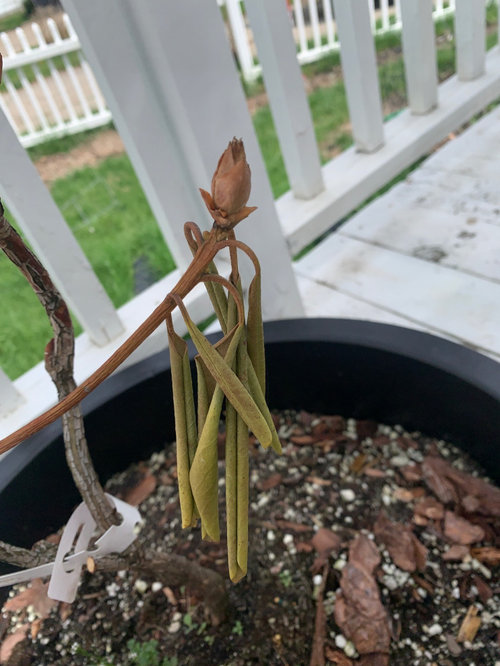
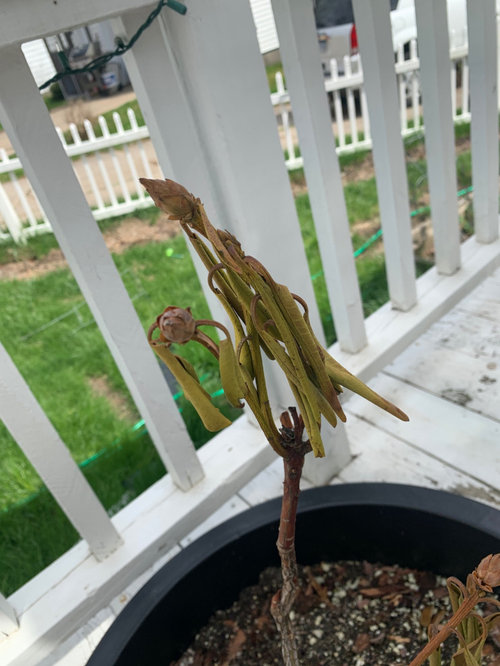
Fast forward and it’s definitely dead. Most of the buds and leaves are still attached, though they remain wilted and very crispy despite adequate watering and drainage.
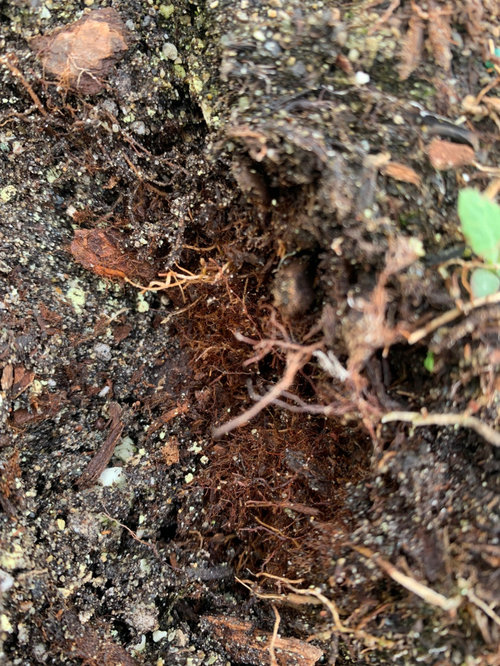
I’m still trying to figure out what exactly killed it, as there is now a large hole in my foundation bed I need to fill but don’t want to lose another rhododendron. My extension office said they cannot text for juglone and don’t currently have the staffing to test for Phytophthora.
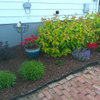
I’m including some photos of the affected rhododendron to see if anyone can help. Please note that my foundation bed is raised approximately 12 inches and the Pieris Japonica that was next to the BDN appears to be doing fine.



Embothrium
ken_adrian Adrian MI cold Z5
Related Professionals
Sarasota Landscape Architects & Landscape Designers · Florence Landscape Architects & Landscape Designers · Odessa Landscape Architects & Landscape Designers · Gainesville Landscape Contractors · Houma Landscape Contractors · Des Moines Landscape Contractors · Canton Landscape Contractors · Lewiston Landscape Contractors · Dalton Home Builders · Memphis Home Builders · Fergus Falls Home Builders · Plattsburgh Home Builders · Madison Home Builders · Murrieta Home Builders · Colorado Springs Home BuildersLauren DavisOriginal Author
gardengal48 (PNW Z8/9)