Software
Houzz Logo Print
osulala

Save dehydrated sansevieria

6 years ago
last modified: 6 years ago

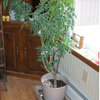
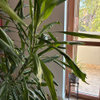
I walked into a nursery yesterday and found this beautiful (but very dehydrated) sansevieria. I brought it home to bring it back to it's former glory, but what is the best way to do that? I've read that soaking it could cause root rot since it has been dry for so long. So I figured I'd start with little amounts of water first, but is that really the best way to go? And if so, how often should i water? And how long does this poor thing need before it can handle a proper watering? Any idea/experience is welcome!

Comments (17)

  • 6 years ago


  • 6 years ago

    Thank you so much @User, love that thread!

  • 6 years ago
    last modified: 6 years ago

    You are so welcome, anytime!! Pls do come on back, w/ more questions if you have or an update in the future, when it's better.

    Osulala thanked User
  • 6 years ago

    Thank you so much @User, but ou should be careful saying things like that 😂😂 because here comes!! I've been washing the substrate of the poor things roots this morning (which are abundant and look really healthy btw) and I realised that all my sansevieria are in that exact same substrate. They're doing well so I don't feel inclined to fix something that isn't broke, but would it be beneficial to give them the same treatment? When they need a repot anyway for example?

  • 6 years ago
    last modified: 6 years ago

    Hi Osulala,

    Do I hear you WASHING the substrate off w/ water? If so, OK for this one but I suggest doing it DRY next time. I just crumble it all off w/ my fingers & use a tiny rake to get to old soil off.

    The same way that you heard soaking can be bad, I personally feel that washing the roots is bad.

    I do this all DRY & after repotting I wait several days to water. The idea is roots can get a bit damaged in this process. One doesn't want to wet damaged roots, which can lead to rot; same cautions re: potential problems as Soaking.

    Glad to hear you found healthy looking roots, always a good sign. About your other Sans, I'd agree w/ you that if they seem fine now, leave them be. I agree w/ you about if it ain't broke ... just keep enough new soil & Perlite on hand & if & when you see problems change the mix as needed. Or, as you suggest when they need a repot.

    Osulala thanked User
  • 6 years ago
    last modified: 6 years ago

    Whoops! Good to know, i've never attempted a rescue like this before. Especially sansevieria elude me 🙈

    I hope It'll be ok! I'll post an update in a couple of weeks!

  • 6 years ago

    I usually will give the plant a soak for a couple minutes then take it out and let it drain for an hour. After that, the old soil will be soft and will come off without damaging the roots.

  • 6 years ago
    last modified: 6 years ago

    Matt, pls re-read the thread, we just discussed NOT soaking & I explained why. Unless the rootball is hardened off (don't think hers was) I prefer not to wet the roots.

    I would not encourage a Newbie to soak a Sans.

  • 6 years ago

    I walked into a nursery yesterday and found this beautiful (but very
    dehydrated) sansevieria. I brought it home to bring it back to it's
    former glory, but what is the best way to do that?
    Generalizing, the best way to restore your plant's vitality is to make sure cultural conditions are in the plant's sweet spot. This means that temperatures, moisture levels/watering intervals, light levels, nutritional supplementation, and any other cultural influences should not create stress by being being near or beyond the limits of what the plant has been programmed to tolerate. I've read that
    soaking it could cause root rot since it has been dry for so long.
    There's only one degree of 'dead'; so, if the roots are already dead, furnishing moisture will likely accelerate rot of dead tissues. If the roots are dry but viable, a good soaking of an ample volume of water added to the soil will quickly restore normal root function. So I
    figured I'd start with little amounts of water first, but is that really
    the best way to go?
    No. In order to prevent an accumulation of dissolved solids (salts) from fertilizer solutions and/or tapwater, the soil should be flushed whenever you water, or at least on a regular basis. Watering in sips ensures all salts from fertilizer solutions and tapwater remain in the soil unless used by the plant or flushed from the soil via copious watering. And if so, how often should i water? While the plant will tolerate being allowed to go dry, it will not enjoy the stress that accompanies a completely dry medium. So, it's best to water just before the soil becomes completely dry. And how long
    does this poor thing need before it can handle a proper watering?
    It can be watered as described immediately.

    "I realized that all my sansevieria are in that exact same substrate.
    They're doing well so I don't feel inclined to fix something that isn't
    broke, but would it be beneficial to give them the same treatment? When
    they need a repot anyway for example?"
    First, ascribing to the "If it ain't broke - don't fix it" way of looking at things is little more than a statement saying you're happy with things as they are, which discourages innovation, adaptation to the changing world around you, and positive change. Personally, I've had direct contact with hundreds or even thousands of growers in my own community and here at GW/Houzz, who have attested to the fact new insights gained through exploring their growing options has provided them with a growing experience head and shoulders above what they were previously content with.

    "Habits are first cobwebs, then become chains". For some, fear of making things worse if they make a change is reason enough to avoid "fixing what ain't broke", but we already noted how holding onto that anchor impacts progress (whether personal or societal), which sort of invalidates the reasoning.

    I have found the largest step a container grower an take at any given point in time involves arriving at the point where (s)he no longer has to battle their chosen soil for control of the plant's vitality. Getting to that point is a real game changer in that it eliminates limitations associated with poor root health/function, and makes nutritional supplementation monkey easy.

    Al


    Osulala thanked tapla (mid-Michigan, USDA z5b-6a)
  • 6 years ago

    Thank you Al! You couldn't be more right. I'm often too afraid to hurt a plant, but just because it ain't broke (yet), doesn't mean it couldn't be better. Even if my attempts fail, I will have learned a valuable lesson. Plant adventure... Here I come!

  • 6 years ago

    The top of a plant won't grow unless it has enough root mass to support the new growth. As growers, we can learn something from that. Wasting energy on trial-and-error methods is not a good way to move forward. It would be like the plant producing an abundance of top growth before it had enough rootage to support it. If you first arm yourself with a good root base, knowledge, then use your practical experience to validate what you already know, you'll leave others treading the trial-and-error path to green thumb status standing somewhere in your slipstream.

    Best luck!

    Al

  • 6 years ago

    First you say:

    "Soaking can be recommended as a beginning step to removing all that mix Sometimes the rootball is so hardened, it won't absorb water & just breaking up the rootball while it's dry damages too many roots. So it's often recommended to soak it, but it's a brief soak, just enough to help ease off ALL of that old mix & I mean every single bit."

    Then you go the other way and tell the OP to rip the damaged plant's rootball apart dry. then dismiss my imput because you already ordained the right course of action, thus it must be so. This is all merely opinion. Some are worth more, others less.

    There is nothing wrong with soaking a sans's roots, or getting them wet to clean them, the same way that there is nothing wrong with watering your sans when it is in the soil. Thinking any different is just being superstitious. If a sans couldn't take a bit of water on the roots, it woould simply die the first time you thoroughly watered it. Soak it to soften the soil ball, use a bonsai rake or a skewer or what you have on hand to remove the soil from the roots without damaging them, and repot in a suitable potting soil. This is not rocket science, and a plain jane sans like this is one of the most hardy plants that exist. Once you put them in a good fast-draining soil, they virtually thrive on benign neglect.

  • 6 years ago

    Hi Matt,

    I guess you're newish here, but we here a while know how to agree to disagree.

    My comments aren't from superstition, they're from several DECADES of growing Sans. I didn't appreciate you coming on & contracting my advice & I have every right to say so, if done respectfully.

    Read more closely pls Matt, I was talking abt not wetting potentially DAMAGED roots, a completely different circumstance than a Sans already in the soil. I'd rather not risk wetting damaged roots & so caution others against it.. To each his own.

    But the one thing I DID NOT SAY was

    "tell the OP to rip the damaged plant's rootball apart dry"

    & the various folks here who know me would know that.

  • 6 years ago

    "Do I hear you WASHING the substrate off w/ water? If so, OK for this one but I suggest doing it DRY next time. I just crumble it all off w/ my fingers & use a tiny rake to get to old soil off.
    The same way that you heard soaking can be bad, I personally feel that washing the roots is bad.
    I do this all DRY & after repotting"

    While this is not the same wording I used, it means the same thing. The effect is identical, manually damaging the few healthy roots in a dessicated plant. Soaking will not damage healthy roots,, and you can air dry the clean healthy roots while you remove the ones that are dead. Soaking will not damage dead roots, either. Dead is dead. Soaking loosens the soil in the root ball, and makes the roots flexible, which makes them less likely to break as you rake the soil. Much the same way as its easier to twirl cooked spaghetti on a fork.

    Of course,, all of what is said here is opinion, and the OP can choose the information as he or she sees fit. Why call me out by name and dismiss my suggestion as worthless because you already told the OP what you think should be done? That is a bit more than agree to disagree. Congratulations on your many years of growing sans. Many here have been growing that long or more. It does not change the fact that your opinion is just that. The OP will gather as much information as he or she can and decide on a course of action from there. He or she will benefit from several points of view.

  • 6 years ago
    last modified: 6 years ago

    "crumble it all off w/ my fingers" is my usual wording.

    Ripping & crumbling are not REMOTELY the same thing & nothing can be said to make them so. If the soil is not hardened off, when mostly dry, it usually crumbles away just fine w/out causing any root damage.

    Of course dead is dead, I don't even know why that's worth mentioning.

    I called you out by name because it's unusual here some for someone to come on directly after a post & contradict someone like that.

    Yes, I know it's only my opinion, I never said otherwise, did I?

  • 6 years ago

    My post was benign, and not an attack directed at you or your advice. It was simply a matter-of-fact statement of how I repot plants, intended for the OP to get a consensus of how various people approach a repot.