

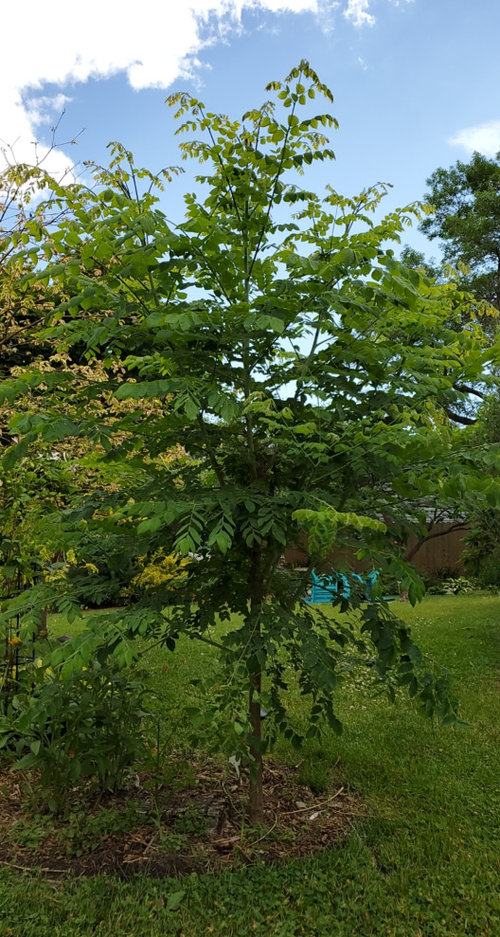
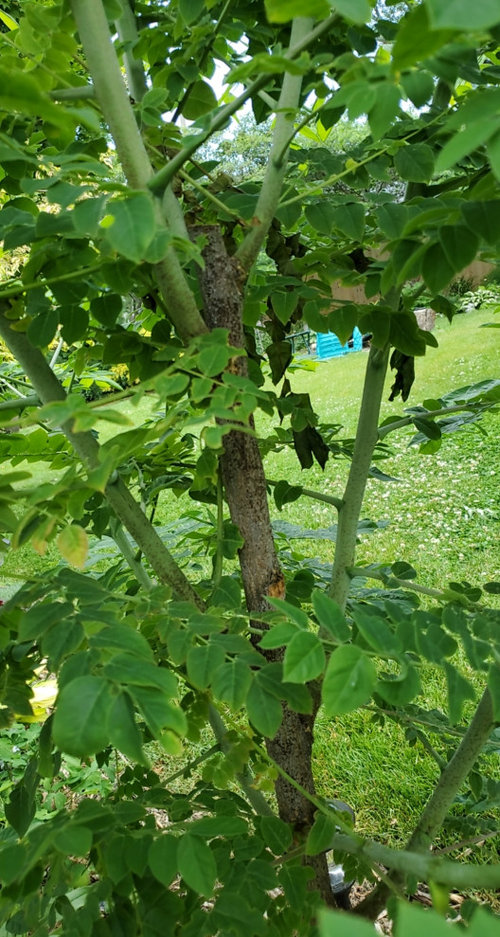
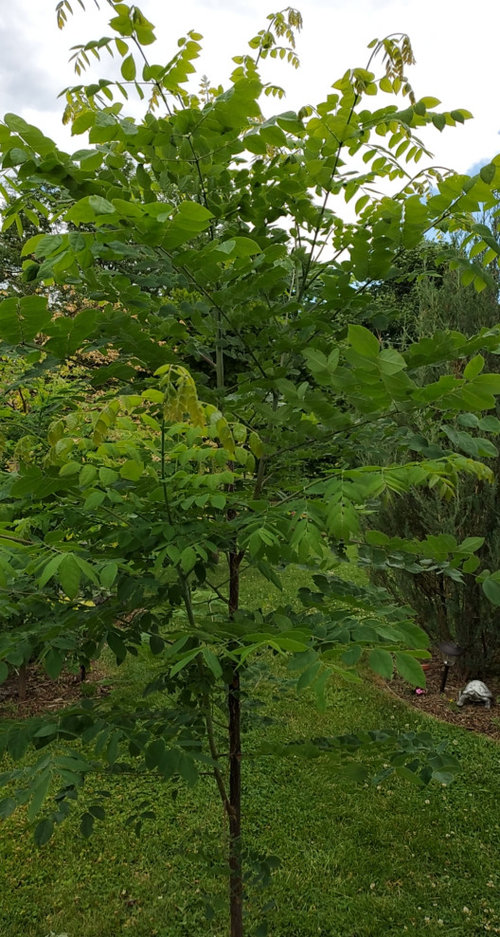
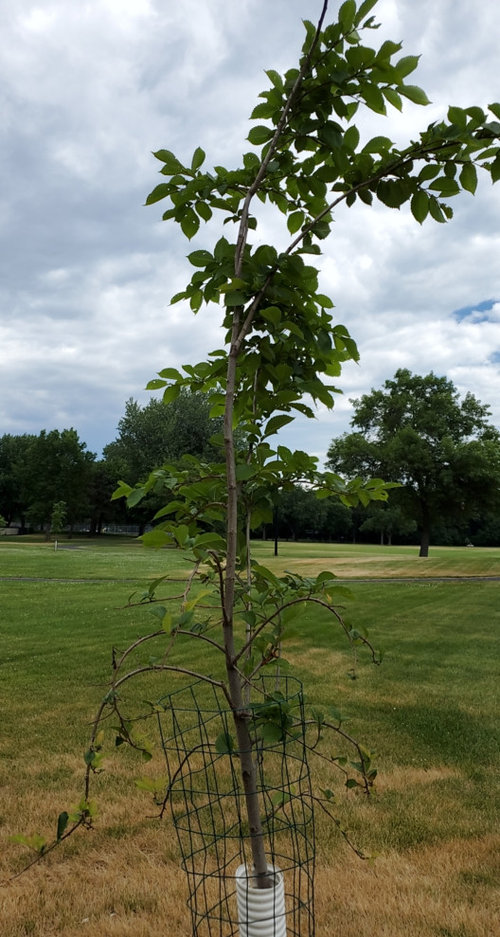
Pruning young Kentucky coffee trees
6 years ago
Sort by:Oldest
Comments (5)
Related Stories

HOUSEPLANTSCandelabra Tree Is One Cool Cactus Look-Alike
Here’s everything you need to know about growing this dramatic, easy-care plant indoors
Full Story
GARDENING GUIDESHow to Keep Your Citrus Trees Well Fed and Healthy
Ripe for some citrus fertilizer know-how? This mini guide will help your lemon, orange and grapefruit trees flourish
Full Story
GARDENING GUIDESWhen and How to Plant a Tree, and Why You Should
Trees add beauty while benefiting the environment. Learn the right way to plant one
Full Story
WINTER GARDENINGPruning Secrets for Exquisite Roses
Encourage gorgeous blooms year after year with this time-tested advice on how to prune your rosebush in winter for health and shape
Full Story
GARDENING GUIDESGreat Design Plant: Honey Locust Tree
No, it doesn't actually produce honey. But its dappled light and tolerant nature are treats in city and country settings alike
Full Story
LANDSCAPE DESIGN10 Flowering Trees Landscape Architects and Designers Love
These blooming beauties make lovely additions to gardens — bringing color, fragrance and pollinators
Full Story
LANDSCAPE DESIGNThe Weepers and the Creepers: 10 Intriguing Trees for Your Garden
Bring something a little different to your landscape with a tree that dives, twists or crawls
Full Story
MOST POPULARSpringtime Gardening: Begin by Listening to Trees
A biologist and author shows how open senses and lively curiosity can guide our work in the landscape and garden
Full Story
COLORFUL HOMESMy Houzz: Bright and Playful Colors in a Kentucky Family Home
Vivid hues, a hand-painted mural and delightful decor bring this graphic designer couple’s 1860 renovated home to life
Full Story
GARDENING GUIDESAn All-Star List of 10 Shade Trees to Plant This Fall
These tried-and-true varieties offer good-sized canopies, seasonal interest, wildlife benefits and more
Full Story
krissamnOriginal Author
indianagardengirl
Related Professionals
Rapid City Landscape Architects & Landscape Designers · Edmonton Landscape Architects & Landscape Designers · Gaithersburg Landscape Contractors · Concord Landscape Contractors · Athens Decks, Patios & Outdoor Enclosures · Greenville Decks, Patios & Outdoor Enclosures · Spring Decks, Patios & Outdoor Enclosures · Traverse City Decks, Patios & Outdoor Enclosures · Minneapolis Decks, Patios & Outdoor Enclosures · Ithaca Decks, Patios & Outdoor Enclosures · Beaumont Landscape Architects & Landscape Designers · La Crosse Landscape Architects & Landscape Designers · Joplin Landscape Contractors · Jacksonville Home Additions · Cleveland Home Additionswayne
Yardvaark
krissamnOriginal Author