Software
Houzz Logo Print
splaker

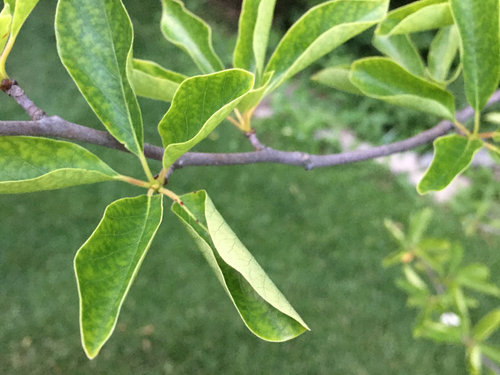
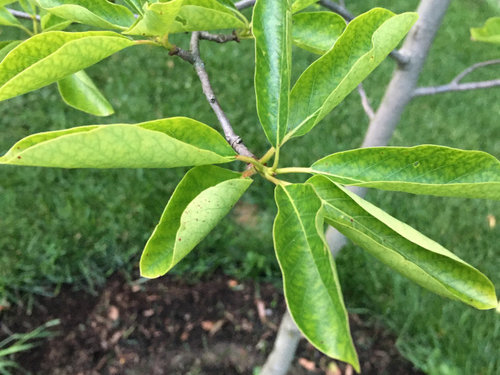
Black gum leaf curl... *Update - Phytophthora ?

6 years ago
last modified: 5 years ago
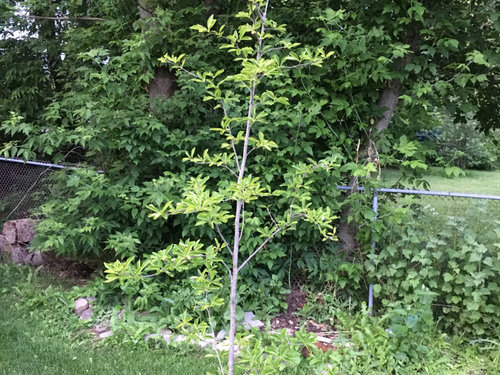
This happened last year too. I seem to be having some issues with a few of my plants and trees now as they "settle in"

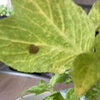
do they seem chlorotic too? It's has been very dry this spring but we just got 3 inches of rain over the past 3 weeks and I gave it a good dose of water the other day. Thoughts?

i should add that the tree is sparsely leafed. Just not that full..


Comments (15)

  • 6 years ago

    remind us where you are ... and do you fert that perfectly weed free lawn ... have you ever done a soil test???


    ken

    splaker thanked ken_adrian Adrian MI cold Z5
  • 6 years ago

    Ken north of Toronto Canada. Z5. I do fertilize my lawn in spring and again in fall.


    never dis a soul test. I know it's above 7 as my hydrangea is pinkish.

  • 6 years ago

    I know it's above 7 as my hydrangea is pinkish


    ==>>>now we need to find out if that is pertinent to black gum ... eh???


    with the lawn fert.. i would NEVER fert the tree otherwise ...


    ken

  • 6 years ago

    ok, so no actual opinions/help on this other than a query on where I live?

  • 6 years ago
    last modified: 6 years ago

    Interesting tidbit: saw a video where a guy says the old timers used black gum trees to find underground water, apparently where they grow naturally there will be a source of water. So if you are living in an upland dry area, may be the wrong tree.

    Also looks to be planted too deep.

    splaker thanked ulisdone
  • 6 years ago

    I don't know if it is planted too deep... I added fresh layer of composted soil so it appears that the root flare is buried but it wasn't buried when I originally planted it.. I added the soil because many people seem to suggest it?

  • 6 years ago
    last modified: 6 years ago

    And the spot that it's anted in is seasonally wet... as saturated. Spring and sometimes Late fall if we get good rains

    after 3 consecutive cool wet springs we habe had very little rain in 2020. Finally got 2.5 inches over the last 10 days. But I'll bet it was guicly absorbed by the grass and top layer of soil.

    May and April were very very dry

  • 5 years ago

    Okay, so I am determined to figure this out and I came across something that may be slowly killing this tree - I think it is Phytophthora. The tree is growing in the exact type of location where this fungus/bacteria thrives - is is planted basically where my leaching field ends and the yard dips into a low spot so it very moist/wet/saturated for stretches of the year, especially spring, but almost always moist except in the hottest, driest stretches of summer. Now I read in numerous sources that blackgun likes wet spots..which why i planted where I did.. but the descriptions of where the pathogen thrives is pretty much in line with where the Nyssa is planted.. and the symptoms are largely present - early leaf drop, poor, faded leaf color and curl, Zero growth over the past 2.5 seasons... the poor tree looks like it's on its last legs.. so I figured, the sport must suck.. why not try a last ditch effort to save it and transplant it to a drier spot? I just don't know how these trees respond to transplanting.. I guess I have little to lose b/c the tree probably won't live much longer. I suppose a transplant could just kill it off.


    Any thoughts?

  • 5 years ago
    last modified: 5 years ago
    Nyssa sylvatica has a deep taproot which makes transplanting pretty difficult when they've become established. It's not impossible, but I've heard lots of stories of this species struggling with transplant shock after being moved, and if yours is already in rough shape, it might have even more trouble recovering.

    Additionally, even though the species is very wet site tolerant (I have two that sit in standing water for good portions of the early spring and do just fine), they still don't want to be planted too deep, just like any other tree, so I think you were onto something when you previously mentioned uncovering the root flare that you had previously buried under new soil.

    splaker thanked sah_upstate4 (zone 5b - NY)
  • 5 years ago

    so perhaps I should just leave it? See how it does? Does it appear to be Phytophthora?

  • 5 years ago

    I'm not a plant pathologist, and I can't diagnose a disease from your photos, but I think uncovering the root flare and avoiding any other sources of "shock" would be a good path forward regardless.

    splaker thanked sah_upstate4 (zone 5b - NY)
  • 5 years ago

    Arbordave, It's a tupelo tower - got it from a very reputable nursery. I have no idea if that addresses your question. I haven't sprayed with weedkillers in that spot. I will have to look up "scale" and "borers" to see what to look for. Thanks very much... I guess I should avoid transplanting it and just be patient with the site. I just wonder if my septic system could be harming the tree. In the spring it is a bit smelly back there and I am worried my field isn't performing well any longer - but that's another issue altogether... Cheers

  • 5 years ago

    Tupelo Tower is one of the hardier cultivars, so that's good. The reason I mention weed killers is that "weed and feed" combination products are frequently used by homeowners, and they can sometimes have a negative impact on trees when applied in the root zone. "... it is a bit smelly back there" could indicate anaerobic conditions in the soil which would adversely affect root growth.

    splaker thanked arbordave (SE MI)
  • 5 years ago
    last modified: 5 years ago

    "could indicate anaerobic conditions in the soil which would adversely affect root growth."

    Yes, that's my concern.... so how could I remedy that?

Sponsored
Buckeye Basements, Inc.
Average rating: 5 out of 5 stars40 Reviews
Central Ohio's Basement Finishing ExpertsBest Of Houzz '13-'21