Software
Houzz Logo Print
sunshine_1621

Problem...or neuroticism?

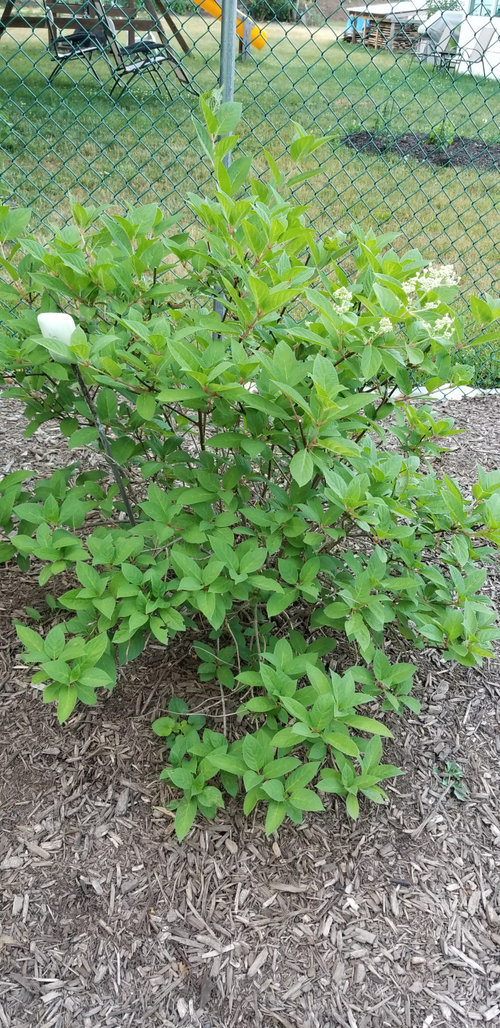
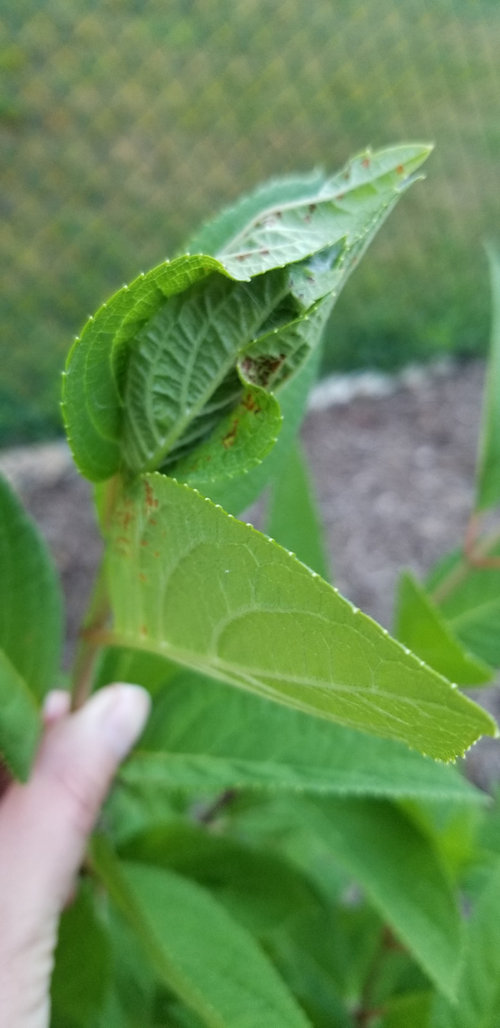
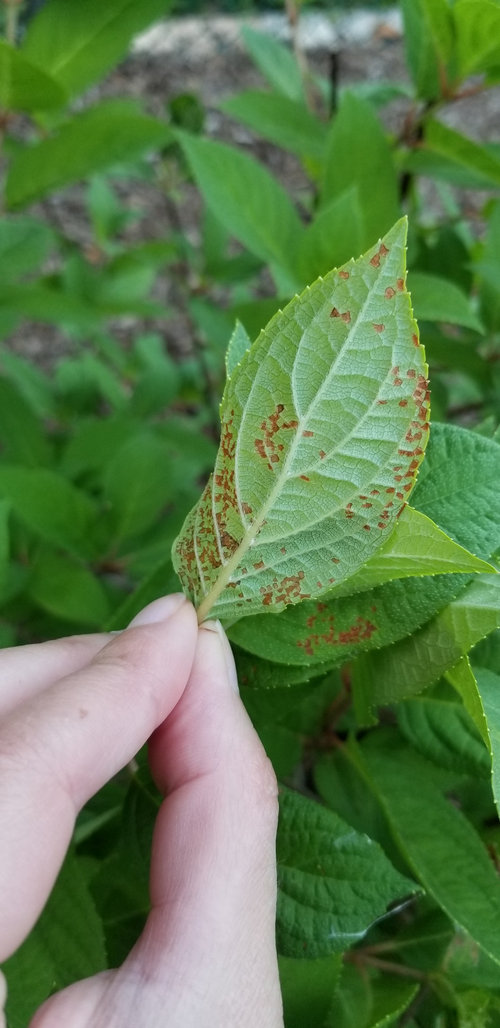
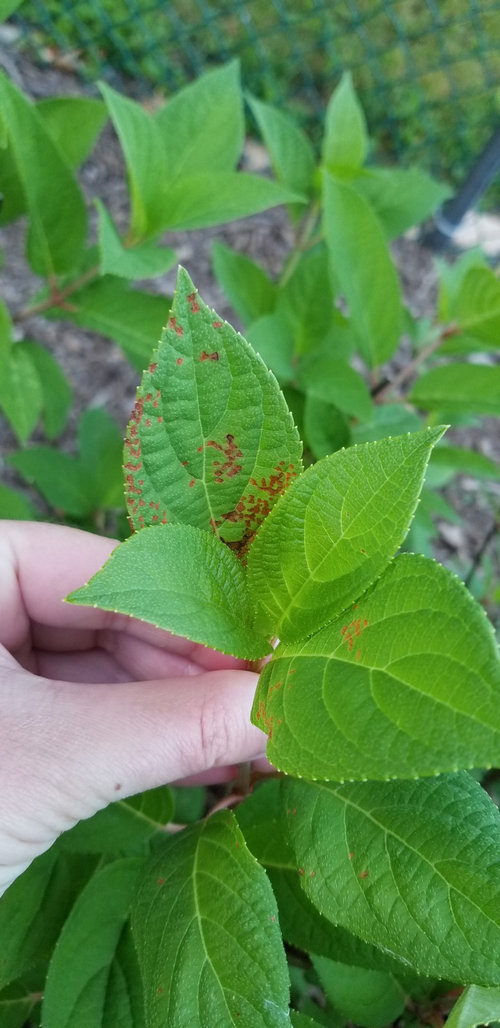
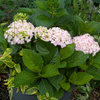
Do I have issue(s) here? See Quickfire Hydrangea - spots and leaf closing? And Rozanne - more spots, not blooming all that great as it did in the past? Tomato (Celebrity) - leaf curling? I think I also had this problem last year, got worse and worse as it grew. Worried :(

Comments (13)

  • 6 years ago

    more...

  • 6 years ago
    last modified: 6 years ago

    Your 2nd pic, there's either a caterpillar or spider or some web weaver rolled up inside that leave. Easy to dispatch if you choose. Otherwise, I'd guess the little brown spots are leaf spot fungus. I'm in CNY too and have been watering extra in this extreme heat and I noticed it on my basil yesterday. ETA, I don't see anything wrong w/ your tomato, but it is a little squished into that cage. :)

  • 6 years ago
    last modified: 6 years ago

    Yes the problem with the spotted ones are from ‘Four Lined Plant Bugs’...and they suck...literally! :‘(

    If you Google there is lots of info...

  • 6 years ago

    hmmm well I havent watered it, I know it's not from overwatering....
    I did open one of the little pods, looked like a little web in there but nothing else.
    I'm concerned because it's not really budding and I dont want these spots to become troublesome.

  • 6 years ago

    Hydrangea info: possible pests and rust infection.

    1. Possible pests

    Moths that stop by hydrangeas (most often in smooth hydrangeas like Annabelle but in paniculatas too) and deposit their babies will create this problem in late May and June. These babies develop into larvae that try to protect themselves from pesticides by covering themselves in this manner and, of course, to eat the leaves.

    In small infestations, you can cut the leaves off and squish them with your fingers. But if that rates a 10,000,000 in your eek scale, you can also drop them in the trash or in beer. ;o))

    The curling of hydrangea leaves could be caused by one of two insects:

    a. The hydrangea leaftier larva binds two or as many as four leaves together with strands of silk into a cup form and then feeds and rests between them. Pulling apart the leaves will reveal a half-inch-long slender green caterpillar with a black head.

    b. The leafroller insect also causes similar damage, but rolls only one leaf, then feeds and rests within the rolled leaf. Both insects cause unsightly damage, but won't harm the shrubs. When you see the damage in early spring, open the leaves to inspect the contents and squish the buds that you find.

    Clean up the ground below the shrubs, too, because the caterpillars drop to the ground and pupate in the summer and emerge as adult moths. Look under the leaves and during the day & night.

    If the infestation gets out of control, you may need to spray Bt, Bacillus thuringiensis kurstaki (DiPel, Thuricide, etc). I would suggest -next year- applying it again but earlier than when you first detected the problem this year. The damage is typically cosmetic and it would rarely kill a hydrangea.

    2. Possible rust fungal infection

    I have detected this problem locally in plants delivered to the local nurseries by a wholesaler and not around my garden or nearby ones. I have also seen this issue in roses in California. I have seen newly delivered mopheads, smooth hydrangeas and oakleaf hydrangeas with rust usually in the underside of leaves but, there is nothing that says paniculatas cannot also get it or that it is limited to the underside of the leaves. Oakleaf hydrangea leaves had rust on both sides of the leaves.

    Thinning the inside of the hydrangea, never watering the leaves, cleaning the infected leaves and disposing of all plant debris can help manage this disease. Disinfect pruning tools to minimize the spread. You can also use fungicides with these active ingredients: azoxystrobin, kresoxim methyl, mancozeb, myclobutanil, oxycarboxin, propiconazole, triadimefon, trifloxystrobin. I came close to buying the oakleaf hydrangea as that variety was the first time that it was for sale locally -and I wanted it- but, even though rust is rarely serious, it can spread and I decided not to pay full price for a plant that had a problem.

  • 6 years ago
    last modified: 6 years ago

    party_music50 is correct ie there's either a caterpillar or spider or some web weaver rolled up inside that leaf

    I have had that as well. If caught soon enough I removed the leaves n question and 'squish'!

  • 6 years ago

    Some of the leaf damage you show reminds me of the damage I've seen from four-lined bugs. My understanding is that they do no real harm to the plant, but they sure distressed this gardener when they uglied up my stachys 'Hummelo' one year.

  • 6 years ago

    yeah, I don't think it's rust just from what I'm reading online... it looks more like leaf spot on both the hydrangea and geranium, but I don't know if fungus or bacteria or if I should do anything??

  • 6 years ago

    Spots on the hydrangea are from insects.

  • 6 years ago

    ok I think I do have four lined bugs on my hydrangea, not much I can do there I guess. I also cut off the leaves that were all curled and stuck together. I think that was preventing more budding.....disappointing.
    My geraniums on the other hand....I have a bad feeling its bacterial blight. You cant really see it in the pictures but some leaves show the characteristic pie slice yellowing on the leaves and some of the stems have red spots. What do I do, it looks like it's on all 4 of my plants :(

  • 6 years ago
    last modified: 6 years ago

    There is no known control for geranium bacterial blight. ;o(

    I would dispose of the infected geraniums and not plant new ones in that spot.

    https://ag.umass.edu/greenhouse-floriculture/fact-sheets/bacterial-blight-of-geranium

  • 6 years ago

    can I plant anything in its spot or...?

  • 6 years ago

    I would play it safe and not plant another geranium or a plant that can suffer from that bacterial blight. There is a fungus (Verticillium) with similar symptoms as those of Xanthomonas' geranium bacterial blight.


    https://hortnews.extension.iastate.edu/2006/3-8/geranium.html

    https://extension.psu.edu/bacterial-blight-of-geranium

0