Software
Houzz Logo Print
yguerzon

Why are my leaves dropping?

6 years ago
last modified: 6 years ago
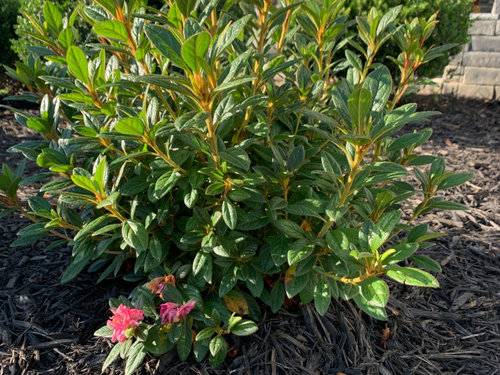


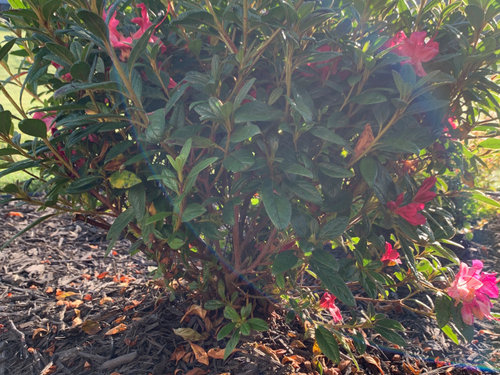
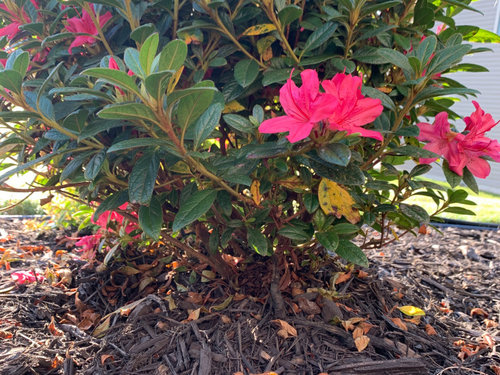
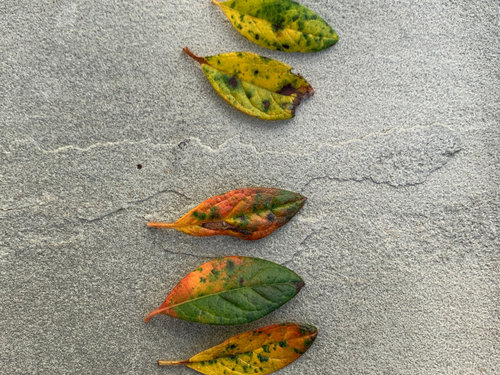
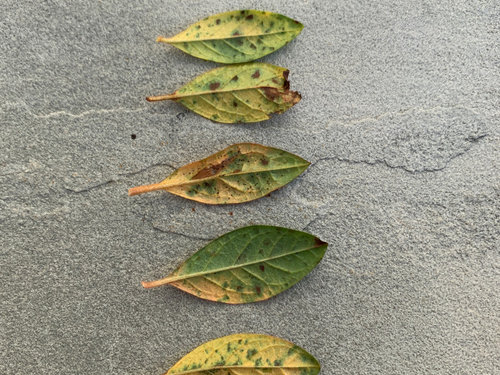
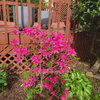
I planted a total of three azaleas. Two of them I planted about 2-3 months ago and about two weeks ago I noticed I was losing a lot of leaves and discoloration with spots. After searching the internet I thought maybe they were missing a key nutrient so I feed all three with Jobe’s Organics Azalea, Camellia & Rhododendron granular plant food about one week ago. The third azalea planted is doing great, and has dropped only a couple of leaves since planting, but I see the same problem starting. Is there anything else I can do?

a Little more info...

The leaf problem started at the base of the plants but is gradually moving up the branches.

All three are encore azaleas but purchased from different nurseries.

I live in NC.

We had a lot of rain when I first planted but the weather is now what is expected of NC.

They are planted in morning and a little afternoon sun.

Comments (3)

  • 6 years ago

    A new azalea planted in the summer time can be expected to show some heat stress and lose a few leaves to yellowing. It is part of transplant shock. All in all, I did not see anything bad in the pictures unless the plants are losing a large percentage of leaves to yellowing, which the first few pics did not show.


    Maintain the soil as evenly moist as you can. Maintain 2-4" of mulch year around. Make sure the azaleas are planted just slightly above the surrounding soil (just make sure they are not below the surrounding soil). For fertilizers, use Hollytone for Azaleas instead. Then once the plants become established in the garden, stop fertilizing and let them feed off the decomposing mulch. Unless your soil is sandy or deficient of minerals, that should be fine as azaleas are not hungry plants like roses are.

    The roots are tiny, fibrous in the top 4" so maintain the top soil moist, not dry or soggy, well mulched and do not disturb the area. If you want to tell when to water, insert a finger into the soil and water if the soil feels dry or almost dry. You should water the soil and never the leaves to minimize leaf spots. Water from the base of the plnt outwards. Around 1.5-2 gallons of water is a starting point in the summer. Tweak it as needed to get the soil moist down to a depth of 8" after you have watered.

    Yolanda Guerzon thanked luis_pr
  • 6 years ago

    Thank you luis_pr for your detailed reply. I do have holly tone fertilizer, but when should I use it? Do I just use it once in the spring or do I use it throughout the year? I have a hard time understanding the difference between fertilizer and food. I am new to gardening and learn more and more everyday. I have very sticky clay soil. When I purchased the azaleas the nursery suggested a soil mix to blend with the clay soil when planting. I did as they recommended. I noticed the two azaleas I was having problems with were getting wet during the lawn watering schedule. Which is three times a week for 30 mins in that zone. I adjusted so they do not get wet and have noticed improvement. When it comes to treating for pests should I treat preventatively or once I notice and identify an infestation?


    I have attached a photo of the soil additive I usa


    Thank you again for sharing your knowledge.


  • 6 years ago
    last modified: 6 years ago
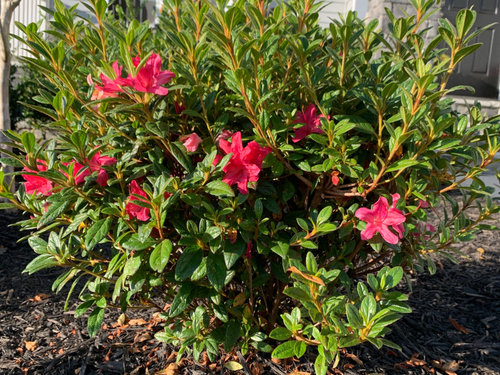
    Azaleas are not heavy feeders so they do not need a lot of fertilizers. They do benefit from 2-4" of organic mulch (no rocks). Once they become established (1-3 years) and provided your soil has no mineral deficiencies (say, because the soil is sandy, etc.), the root system will feed off the decomposing mulch.

    You can feed the azaleas in the Spring but now is not necessary. A single application of 1 cup of cottonseed meal, HollyTone in Spring is enough. However, a newly planted azalea usually has these round fertilizer pellets that will take care of the fertilizing for this year so I would use the ferts in Spring 2021 instead.

    A fertilizer usually has the main three minerals nitrogen, phosphorus and potassium. Some also have trace minerals. The best ones for azaleas usually have names that say "for azaleas, camellias, hydrangeas, roses, blueberries, etc" or some other combination. A fertilizer will have a NPK Ratio spelled out in the packaging. Everything else is considered a soil amendment. For example, my soil is alkaline so I amend the soil a few times a year as well to acidify it.

    I do not think you should apply insecticides unless you have had issues in previous years with that pest. With that type of philosophy, you might end up spending lots of money for a multitude of chemicals for all possible types of pests. Now that you have a few, hand on to them but dispose of those that expire in the recommended manner of the product label. When there is a pest around, identify it so you can use a pesticide whose active ingredient has been proven to help with that pest. In other words, a pesticide whose active ingredient is for pest #1 may do nothing to pest #2. Pests can come out during the day or only at night. To identify trouble makers, you need to catch them in the act so investigate at different times of the day/night, look at the leaf undersides, the soil, under rocks, throughout the branches, etc. If they are already gone then there is nothing you can do other than make a mental note to apply proactively next year, starting a month before you detected the problem.

    Similarly, by the end of the growing season, leaves no longer look pristine as they did in early Spring so you also do not need to panic to fix every possible leaf problem. If I see a situation in a handful of leaves, I try to decide if this is going to affect more leaves or not and then I take action accordingly.

    Here is more info from the Azalea Society of America:

    https://www.azaleas.org/azalea-basics/

    Yolanda Guerzon thanked luis_pr
Sponsored