

Sunburned Hydrangea leaves
6 years ago
Sort by:Oldest
Comment (1)

Related Stories
GARDENING GUIDESGreat Design Plant: Oakleaf Hydrangea
Consider this full, flowering shrub for year-round beauty in the garden as you plan your fall plantings
Full Story
FLOWERS AND PLANTSHydrangea Arborescens Illuminates Garden Borders and Paths
This long-blooming eastern North American native shrub finds a home in landscapes around the world
Full Story
FLOWERSWhy You Should Give Hydrangeas a Place in Your Yard
The exuberant mop-headed beauties evoke dreams of an endless summer by the sea
Full Story
GARDENING GUIDESWhat's Wrong With My Plant? Leaves Often Hold the Clues
Learn how to identify common plant ailments by reading their leaves
Full Story
GARDENING GUIDESWhen Is the Right Time to Prune Your Hydrangeas?
The type of hydrangea you have determines when it’s time to trim
Full Story
FALL GARDENING5 Ways to Put Fall Leaves to Work in Your Garden
Improve your soil and yard the organic way with a valuable garden booster that grows on trees
Full Story
GARDENING GUIDESClassic Bigleaf Hydrangeas Add Old-Fashioned Charm to a Garden
These showy shrubs, familiarly known as mopheads, have long been a flower garden staple
Full Story
SUMMER GARDENINGHow to Help Your Garden Survive a Heat Wave
Find out how to keep your plants thriving in summer’s heat and how to tell if sunburned ones can be saved
Full Story
LANDSCAPE DESIGNRelish the Romance of a Slovenian Garden
Dappled with coneflowers and bursting with hydrangeas, a romantic European garden near the Julian Alps inspires enchantment
Full Story
DECORATING GUIDESNature’s Color Wisdom: Lessons on Pink From the Great Outdoors
Leave your assumptions about pink at the princess playhouse door. Head outside instead for shades from shocking to subtle
Full Story
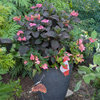
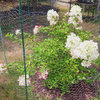
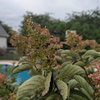
luis_pr
Related Professionals
Columbus Landscape Architects & Landscape Designers · Harrisonburg Landscape Architects & Landscape Designers · Brooklyn Landscape Architects & Landscape Designers · DeRidder Landscape Contractors · California Landscape Contractors · Abilene Landscape Contractors · Mankato Landscape Contractors · Salinas Landscape Contractors · Gaithersburg Design-Build Firms · Saint Joseph Design-Build Firms · Natchez Design-Build Firms · Galveston Design-Build Firms · San Marcos Design-Build Firms · Nashua Design-Build Firms · Lancaster Design-Build Firms