

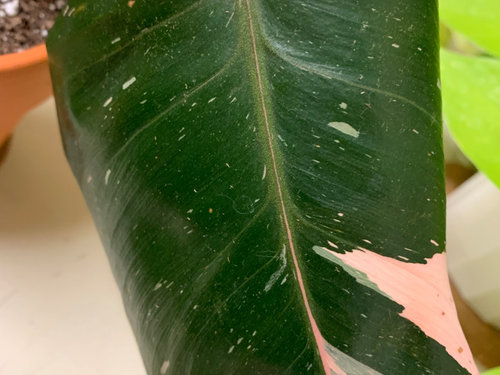
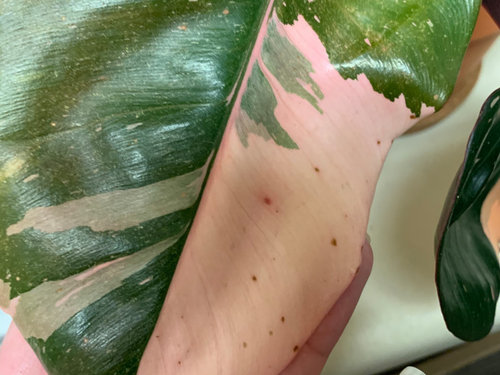
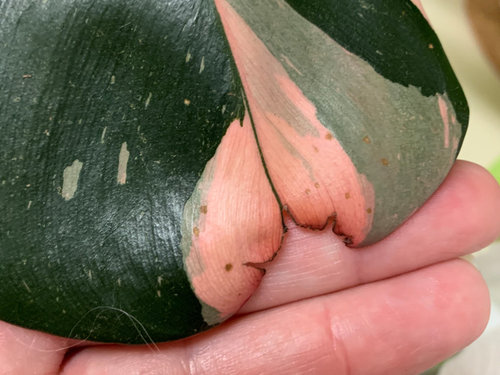
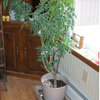
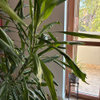
Tiny brown spots on my ppp
6 years ago
last modified: 6 years ago
Sort by:Oldest
Comments (4)
Related Stories
TINY HOUSESHouzz Tour: A Custom-Made Tiny House for Skiing and Hiking
Ethan Waldman quit his job, left his large house and spent $42,000 to build a 200-square-foot home that costs him $100 a month to live in
Full Story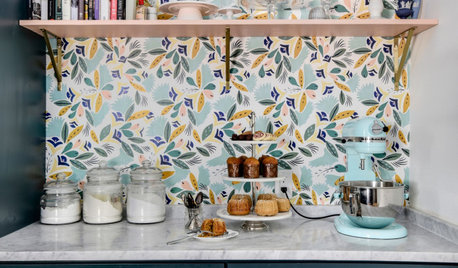
KITCHEN DESIGN12 Items Worth a Spot on Your Kitchen Counter
Keep these useful tools and accessories out in the open to maintain high function without spoiling the view
Full Story
BATHROOM DESIGNSpotted: What’s Hot in Powder Rooms Now
The smallest room can pack the biggest design punch. Here are 10 trends from the most popular new powder rooms on Houzz
Full Story
KITCHEN DESIGNKitchen of the Week: Old Meets New in a Family Gathering Spot
Antique heart pine beams lend warmth and character to this modern farmhouse kitchen
Full Story
MOST POPULARKey Trends We Spotted at Salone del Mobile 2017 in Milan
Instead of disruptive design, we found a focus on classic pieces, quality and relaxation at the biggest of design fairs
Full Story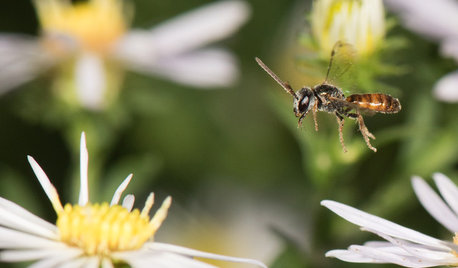
GARDENING GUIDESThis Tiny, Gentle Bee Keeps Busy
Look closely for small sweat bees visiting your flowers throughout the growing season
Full Story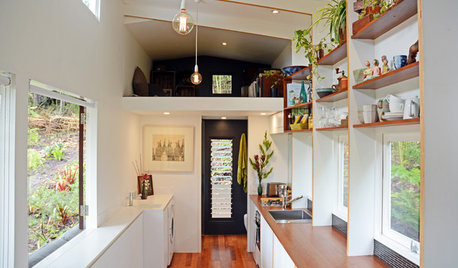
SMALL HOMESTiny Houzz: A Retractable Bed and Double-Duty Furniture Make It Work
Architecture graduates work with a builder to create a stylish tiny house with an efficient layout and a roomy feel
Full Story
LIFEThe Beautiful Thing About Dad's Chair
My father had his own spot in the house. His father had his own spot. Now I have mine
Full Story
PETSWhat Chihuahuas Can Teach Us About Interior Design
Who knew these tiny dogs could be such a huge fount of design tips? Houzzers did
Full Story
Houzz Call: What Gives You the Creeps at Home?
Halloween horror got nothing on your basement, attic or closet? Show us that scary spot you steer clear of
Full Story
tapla (mid-Michigan, USDA z5b-6a)
Kristi McLeanOriginal Author
Related Professionals
Brunswick Landscape Architects & Landscape Designers · New Orleans Landscape Architects & Landscape Designers · Aiken Landscape Architects & Landscape Designers · Westerly Landscape Architects & Landscape Designers · Kissimmee Landscape Contractors · Aberdeen Landscape Contractors · California Landscape Contractors · Lawrence Landscape Contractors · Jackson Landscape Contractors · Wilmington Interior Designers & Decorators · Tallahassee Interior Designers & Decorators · Parkersburg Interior Designers & Decorators · Barnstable Interior Designers & Decorators · New Bedford Interior Designers & Decorators · North Adams Interior Designers & Decoratorstapla (mid-Michigan, USDA z5b-6a)
Kristi McLeanOriginal Author