

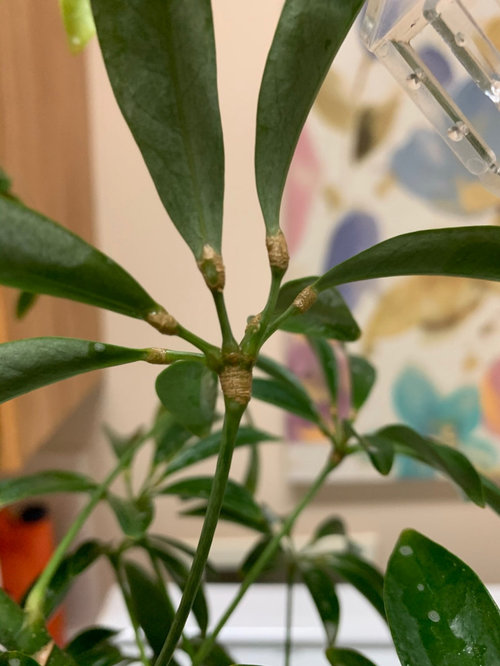
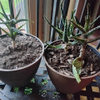
Is this normal?
5 years ago

Sort by:Oldest
Comments (5)
Related Stories
HOUZZ TOURSHouzz Tour: Making 'Normal' Beautiful for Less
Ingenuity, elbow grease and bargain hunting result in a light and lovely beach cottage style
Full Story
SELLING YOUR HOUSE9 Tips for Living a (Semi-)Normal Life While Your Home Is Being Shown
Preparation, routine and treats help you make the house you’re selling presentable at a moment’s notice
Full Story
INSIDE HOUZZData Watch: Houzz Renovation Barometer Shows a Return to Normal
The majority of home renovation professionals report that business activity has returned to pre-recession levels, though challenges remain
Full Story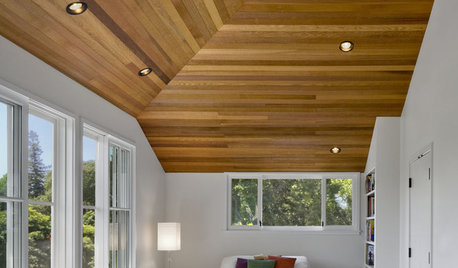
DESIGN DICTIONARYVaulted Ceiling
Bank on this higher-than-normal ceiling for a dramatic effect in any room
Full Story0
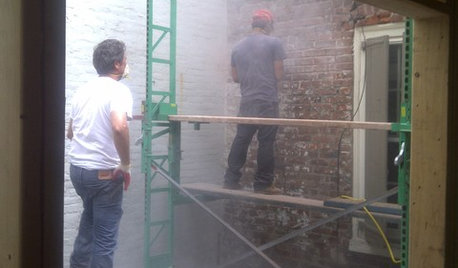
HOUSEKEEPING10 Problems Your House May Be Trying to Show You
Ignore some of these signs and you may end up with major issues. We tell you which are normal and which are cause for concern
Full Story
DISASTER PREP & RECOVERYRecovery Tips From a Hurricane Survivor
Redefining ‘normal’ is key when you’re dealing with any kind of damage from a natural disaster
Full Story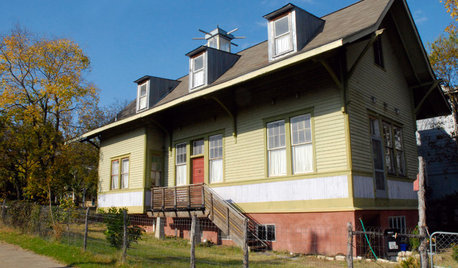
HOUZZ TOURSMy Houzz: From Train Depot to Family Home in Texas
Sleeping in a train station isn't normally an enviable affair — unless it's a remodeled 4-bedroom beauty filled with family heirlooms
Full Story
LIFEBack to the Future of the House
Can the low-tech dwellings of the past offer design lessons for homes to come? A palace curator and book author says yes
Full Story
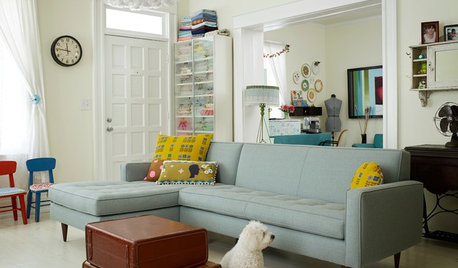
FURNITUREWhy It's OK to Hate Your New Custom Sofa
It takes time to get used to bold new furniture, but dry your tears — the shock can be good for you. Here's what to expect
Full Story



floral_uk z.8/9 SW UK
mickeeeOriginal Author
Related Professionals
Greenfield Landscape Architects & Landscape Designers · Denver Landscape Architects & Landscape Designers · Kennewick Landscape Architects & Landscape Designers · Magog Landscape Architects & Landscape Designers · Richmond Landscape Contractors · Baltimore Landscape Contractors · Nashville Landscape Contractors · Norfolk Landscape Contractors · Fort Dodge Landscape Contractors · Rochester Landscape Contractors · Brooklyn Landscape Contractors · Atlantic City Interior Designers & Decorators · Liberal Interior Designers & Decorators · Riverton Interior Designers & Decorators · Calgary Interior Designers & Decoratorstapla (mid-Michigan, USDA z5b-6a)
mickeeeOriginal Author
mickeeeOriginal Author