

Hood Ventilation
5 years ago
Sort by:Oldest
Comments (3)

Related Stories

KITCHEN DESIGNHow to Choose the Right Hood Fan for Your Kitchen
Keep your kitchen clean and your home's air fresh by understanding all the options for ventilating via a hood fan
Full Story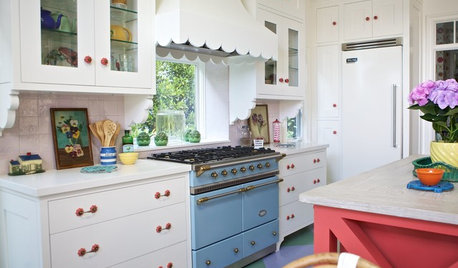
KITCHEN APPLIANCESThe Many Ways to Get Creative With Kitchen Hoods
Distinctive hood designs — in reclaimed barn wood, zinc, copper and more — are transforming the look of kitchens
Full Story
KITCHEN DESIGNWhat to Know When Choosing a Range Hood
Find out the types of kitchen range hoods available and the options for customized units
Full Story
KITCHEN APPLIANCESWhat to Consider When Adding a Range Hood
Get to know the types, styles and why you may want to skip a hood altogether
Full Story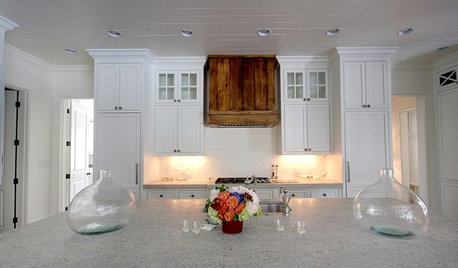
KITCHEN DESIGNWood Range Hoods Naturally Fit Kitchen Style
Bring warmth and beauty into the heart of your home with a range hood crafted from nature's bounty
Full Story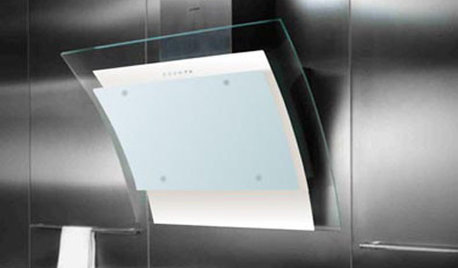
5 Stunning Modern Range Hoods
Today's kitchen range hoods can look like sleek sculptures. Here's what to look for when you go shopping for one
Full Story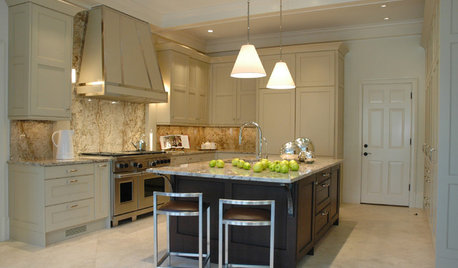
KITCHEN DESIGN8 Industrial-Luxe Kitchen Hood Styles
Make a Statement with Show-Stopping Metal Range Hoods
Full Story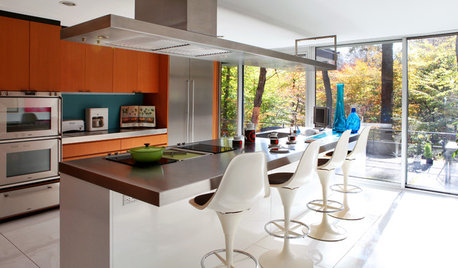
KITCHEN APPLIANCESLove to Cook? You Need a Fan. Find the Right Kind for You
Don't send budget dollars up in smoke when you need new kitchen ventilation. Here are 9 top types to consider
Full Story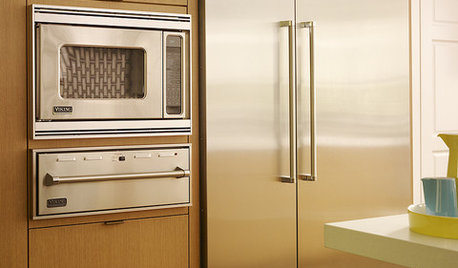
KITCHEN DESIGNA Cook’s 6 Tips for Buying Kitchen Appliances
An avid home chef answers tricky questions about choosing the right oven, stovetop, vent hood and more
Full Story
HOUZZ TOURSMy Houzz: Traditional Touches With Cottage Flair in Canada
Beach cottage style and rustic accents cozy up a coastal Newfoundland home for a family of 5
Full Story
millworkman
lucky998877
Related Professionals
Vincennes Kitchen & Bathroom Designers · Salina Kitchen & Bathroom Designers · Saginaw Kitchen & Bathroom Designers · Newark Kitchen & Bathroom Designers · Janesville Kitchen & Bathroom Designers · Minot Kitchen & Bathroom Designers · Texarkana Bathroom Remodelers · Chico Bathroom Remodelers · Billings Kitchen Remodelers · Rocky Mount Kitchen & Bathroom Designers · Longview Kitchen & Bathroom Designers · Ottumwa Kitchen & Bathroom Designers · Aurora Kitchen & Bathroom Designers · Cape Girardeau Kitchen Remodelers · Augusta Custom Countertopskaseki