

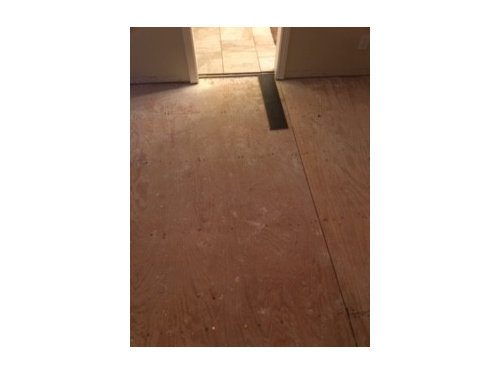
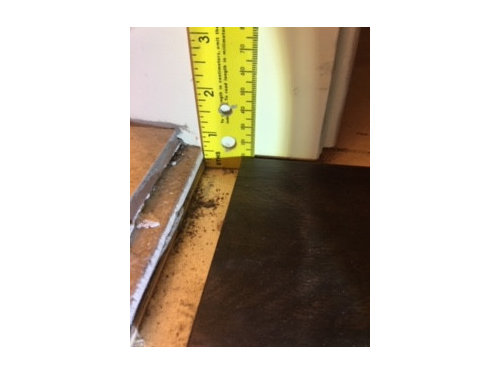
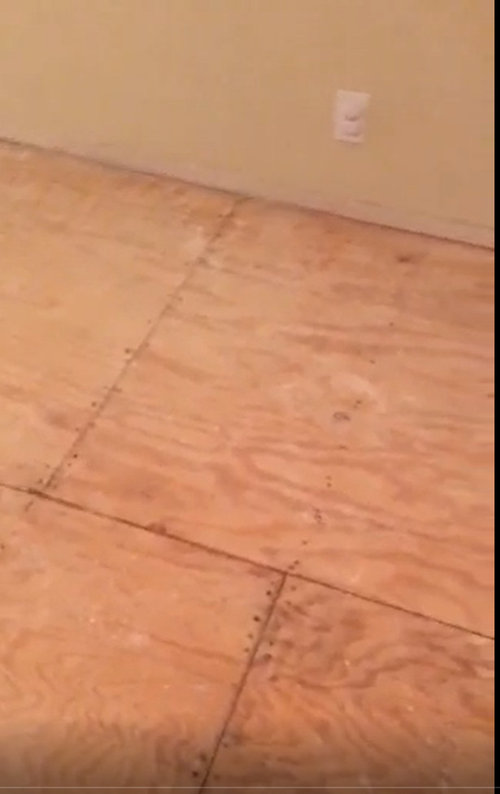
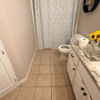
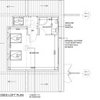
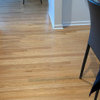
Engineered Hardwood Floor Installation 2nd level
5 years ago

Sort by:Oldest
Comments (5)
Related Stories
GREAT HOME PROJECTSHow to Install a New Tile Floor
Is it time to replace your tile floor? Here’s how to get it done, which pros to call and what it will cost
Full Story
TILE6 Questions to Answer Before You Install Tile Flooring
Considering these things before tackling your floors can get you a better result
Full Story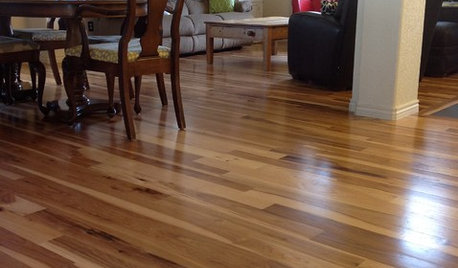
MATERIALSWhat to Ask Before Choosing a Hardwood Floor
We give you the details on cost, installation, wood varieties and more to help you pick the right hardwood flooring
Full Story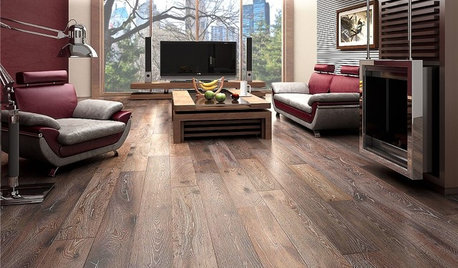
REMODELING GUIDESWhen to Use Engineered Wood Floors
See why an engineered wood floor could be your best choice (and no one will know but you)
Full Story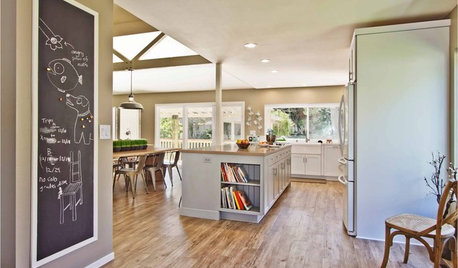
FLOORSWhat's the Right Wood Floor Installation for You?
Straight, diagonal, chevron, parquet and more. See which floor design is best for your space
Full Story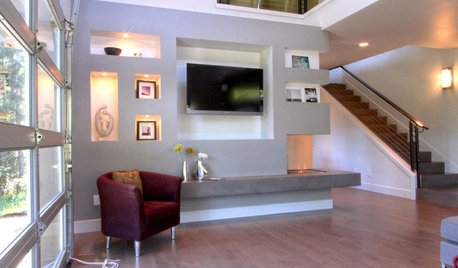
REMODELING GUIDESContractor Tips: Smooth Moves for Hardwood Floors
Dreaming of gorgeous, natural wood floors? Consider these professional pointers before you lay the first plank
Full Story
FLOORSHow to Care for Engineered Wood Flooring
Keep your wood floor looking its best with these tips and tricks from the experts
Full Story
HOUSEKEEPINGHow to Clean Hardwood Floors
Gleaming wood floors are a thing of beauty. Find out how to keep them that way
Full Story
REMODELING GUIDESWhat to Know About Engineered Wood Floors
Engineered wood flooring offers classic looks and durability. It can work with a range of subfloors, including concrete
Full Story
REMODELING GUIDESTransition Time: How to Connect Tile and Hardwood Floors
Plan ahead to prevent unsightly or unsafe transitions between floor surfaces. Here's what you need to know
Full Story

SJ McCarthy
A LOriginal Author
Related Professionals
Natchitoches Flooring Contractors · Galveston Flooring Contractors · Minneapolis Tile and Stone Contractors · Modesto Tile and Stone Contractors · Sacramento Kitchen Remodelers · Topeka Interior Designers & Decorators · Aberdeen Interior Designers & Decorators · Nashua Interior Designers & Decorators · Sarnia Interior Designers & Decorators · Nashville Architects & Building Designers · Kearney Architects & Building Designers · Provo Architects & Building Designers · Bronx Architects & Building Designers · Enid Kitchen & Bathroom Designers · Chicago Kitchen & Bathroom DesignersSJ McCarthy
A LOriginal Author
SJ McCarthy