

which liner do I need?
5 years ago
Sort by:Oldest
Comments (9)
Related Stories
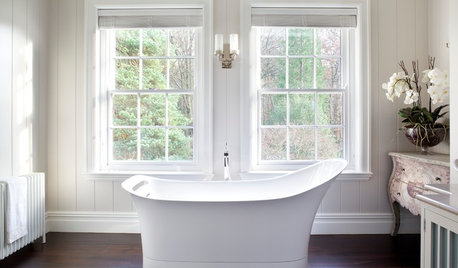
BATHROOM DESIGNWhich Flooring Should I Choose for My Bathroom?
Read this expert advice on 12 popular options to help you decide which bathroom flooring is right for you
Full Story
LANDSCAPE DESIGNGarden Overhaul: Which Plants Should Stay, Which Should Go?
Learning how to inventory your plants is the first step in dealing with an overgrown landscape
Full Story
DECLUTTERINGWhen Simplifying, Which Papers to Keep and Which to Toss?
Find out which records you can get rid of when you are decluttering or moving to a smaller home
Full Story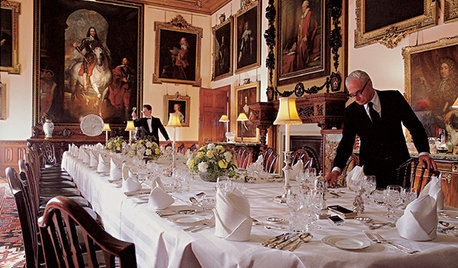
FUN HOUZZEverything I Need to Know About Decorating I Learned from Downton Abbey
Mind your manors with these 10 decorating tips from the PBS series, returning on January 5
Full Story
INSIDE HOUZZInside Houzz: Updates to the Houzz App for iPhone and iPad
With a redesign and new features, the Houzz app is better than ever
Full Story
LIFEYou Said It: ‘Just Because I’m Tiny Doesn’t Mean I Don’t Go Big’
Changing things up with space, color and paint dominated the design conversations this week
Full Story
COLORWhich Paint Color Should a Designer Pick for Her Entry?
Bright blue? Hot pink? Jennifer Ott invites you to vote on a bold new color for the entrance to her San Francisco home
Full Story
DECORATING GUIDESWhich Rooms Get the Oscar?
On the eve of Hollywood’s night of nights, we bring you top films from the past year and their interior twins
Full Story
lucky998877
User
Related Professionals
Fairbanks Kitchen & Bathroom Designers · Saginaw Bathroom Remodelers · Columbia Kitchen Remodelers · Traverse City Kitchen Remodelers · Liberal Interior Designers & Decorators · Tallahassee Kitchen & Bathroom Designers · Springfield Kitchen & Bathroom Designers · Lexington Kitchen & Bathroom Designers · Athens Kitchen & Bathroom Designers · Alpena Kitchen & Bathroom Designers · Beatrice Kitchen & Bathroom Designers · Hattiesburg Kitchen & Bathroom Designers · Ottumwa Custom Countertops · Flint Custom Countertops · Duluth Custom CountertopsAmanda MOriginal Author
User
kaseki
Amanda MOriginal Author
Amanda MOriginal Author
kaseki
User