Software
Houzz Logo Print
connorw92

African Violet wilting but not overwatered

5 years ago
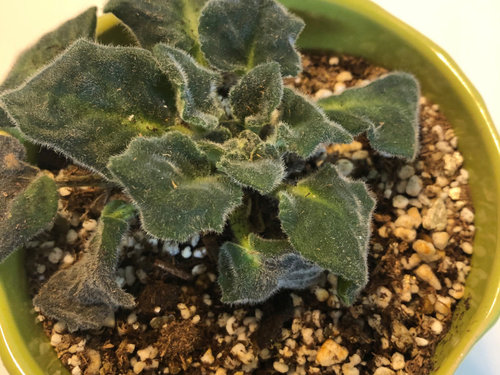
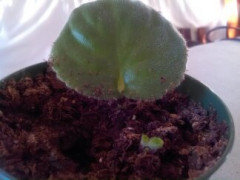
I'm having some issues with this African Violet. I've had it for about a year now, grown from a cutting off one of my mom's plants. I think I underwatered it during the winter since I was worried too much about overwatering. It was starting to wilt a bit so I watered it but nothing improved. It's been slowly wilting every since with no signs of improvement. Most of the leaves died and I trimmed those off, as well as repotting and giving it fresh soil (perlite/vermiculite/peat). The stems and crown seem healthy and green so I don't suspect root rot but the leaves just keep dying off. Any help would be much appreciated!


Comments (9)

  • 5 years ago

    I would start a leaf, just in case

  • 5 years ago
    last modified: 5 years ago

    Honestly, ... your plant doesn't look salvageable at this point. Healthy African Violet leaves are nice and and firm, ... somewhat like Iceberg lettuce leaves, but greener. When they're healthy, they're not really very flexible (because they're filled with water). Yours, unfortunately, look wilted ... and almost crispy.

    Something has happened to undermine the plant's health.

    African Violet care can be hard to get for beginners sometimes. But once you get it, you're good.

    You can grow these plants, ... if you are willing to follow a few guidelines.

    1) The pot ... really needs to be plastic ... and the pot diameter needs to be smaller than the width of the plant. The pot also needs drainage holes. Otherwise, your plant's roots will drown.

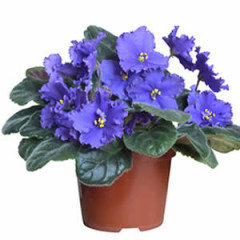
    Good ratio of plant to pot. Anything larger is a risk ...

    2) The plant ... needs to have adequate light. Which can be light from a window (from a foot away or so ... I know that's close) ... OR you can do artificial light with either fluorescent or LED bulbs. This will enable a healthy plant to bloom ... and that's the point, right ?

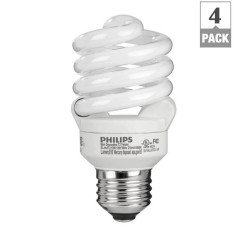
    Fluorescent bulb ... LED's will work too, but not incandescents

    3) The potting mix is pretty standard purchased potting mix ... but mixed with enough Pearlite (available from big box hardwares) to give the look of the soil that you show in your photo. The soil needs to be light and airy ... so the plant's roots can breathe.

    4) Only water when the soil is nearly dry ... and don't let the soil get soaked. When you water, let the water drain from the pot ... and discard it. Also, be careful not to let the plant stay dry for days at a time. That's a harder way to "kill" them, ... but it will happen if you're persistent. Most growers set their AV pots in liners, so that their plants can easily drain ... and then they just discard any excess water in the liner.

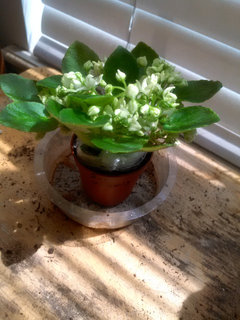
    AV Plant in Liner

    5) These plants can only really successfully be grown indoors in the US ... and household temperatures need to stay between 70 - 80 degrees Fahrenheit. They won't like the cold ... or hot stuffy rooms.

    An African Violet is a plant which needs to be looked at periodically (at least, twice a week or so) ... or else you stand the risk of losing them. Once you get the hang of it, ... you can learn to prep your plant(s) ... to withstand maybe a week's absence of care ... or longer.

    So ... at this point, it's up to you.

    If you wish to step up to the task, ... you can start over ... with another violet ... or cutting.

    And, in actuality, a viable AV "cutting" is either a healthy leaf (which will take, at least, a year to grow and bring into bloom) ... or a healthy "crown" like what you have in the photo (which won't take as long to grow and bring into bloom).

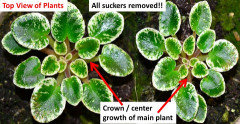
    African Violet Crowns

    A Leaf starting a new African Violet plant

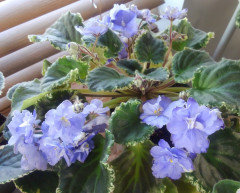
    If you provide the necessary care and environment, ... you can grow these and enjoy a blooming plant. They're not really finicky ... once you are giving them what they need.


    connorw92 thanked aegis1000
  • 5 years ago

    brilliant tutorial aegis ...


    one thing about plastic pots... they are easy to lift .. and a dry pot weighs a lot less that a wet pot.. so its easy by just picking it up.. to get an idea how much water is in the media ...


    i suspect root rot.. so all you are left with is pulling it out of the pot.. and looking to see if you have any roots left .. and if not... there is no saving it ...doing such removes the guessing you are doing right now ...


    ken

  • 5 years ago

    I suspect the neck is rotting. I'd cut it straight off at the bottom of the neck where it's still healthy and restart the whole thing.

  • 5 years ago

    Thanks so much for that tutorial aegis, I really appreciate the time you took to write that up.


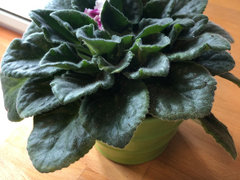
    I didn't realize the pot needed to be plastic but that makes sense. It does look silly in the big pot but the size was a lot more reasonable before I started cutting all the leaves off. Here's a picture of its twin in the same sized pot for reference.


    This healthy plant grew a second crown so I removed it and I'm working on growing that as well now.


    I think your point about letting the plant stay dry for days at a time was my problem here. I was watering closer to once a month in the winter... oops.


    They sit on a windowsill so they get plenty of light, and the soil has a good amount of Perlite. I'm in Canada not the US (but it's Vancouver so it never really gets cold here).


    Thanks everyone for the suggestions. I'll dig up the wilting plant to check for rot and move it to a smaller container to see if that helps. If that doesn't work I'll see if I can start a leaf from the healthy plant.


    -Connor

  • 5 years ago

    If it is still alive - that is what I would do. Get it out of the pot and inspect the roots. If there is rot - trim it off. Remove all wilting leaves, remove damaged root, pot i in a solo cup and keep it covered. If there is a healthy piece of the stem - it will send new roots and regrow.

    I am thinking that winter dry spell killed the fine roots...


  • 5 years ago

    I agree the pot is too large … pot should be 1/3 the size of the plant as a general rule


    but why should they be in plastic pots? I’m curious about this


  • 5 years ago
    last modified: 5 years ago

    Plastic pots are, simply, easier to manage.

    They're lighter in weight ... so that it's easier to judge when a plant needs water or not.

    They're easier to put drainage holes in (most are made with drainage holes).

    They don't absorb water at anytime during the year, so watering can be more consistent.

    They don't collect mineral/salt deposits along their rims, which eliminates the problem of damage to leaf stems that touch the rims of the pots.