

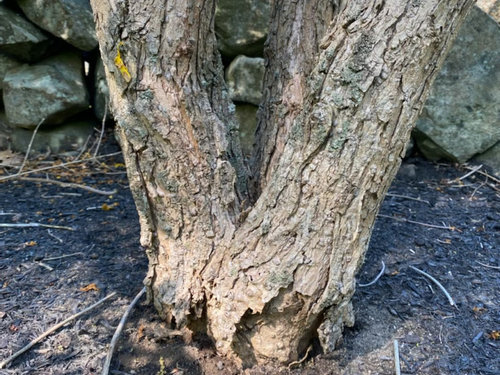
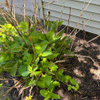
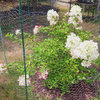
Panicle hydrangea disease?
5 years ago
Sort by:Oldest
Comments (3)

Related Stories
GARDENING GUIDESGreat Design Plant: Oakleaf Hydrangea
Consider this full, flowering shrub for year-round beauty in the garden as you plan your fall plantings
Full Story
FLOWERSWhy You Should Give Hydrangeas a Place in Your Yard
The exuberant mop-headed beauties evoke dreams of an endless summer by the sea
Full Story
GARDENING GUIDESWhen Is the Right Time to Prune Your Hydrangeas?
The type of hydrangea you have determines when it’s time to trim
Full Story
GARDENING AND LANDSCAPINGHave a Ball With Hydrangeas
Even if you don't tinker with the hue by changing the soil, hydrangeas have an entertaining range of uses in all kinds of landscapes
Full Story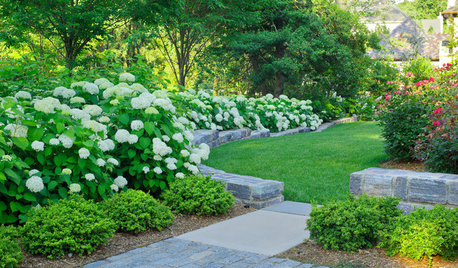
FLOWERS AND PLANTSHydrangea Arborescens Illuminates Garden Borders and Paths
This long-blooming eastern North American native shrub finds a home in landscapes around the world
Full Story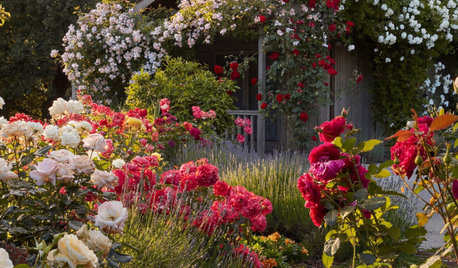
GARDENING 101When Should You Prune Your Trees and Shrubs?
Pruning keeps plants healthy. Find out the best time to cut back roses, flowering trees, needle-bearing shrubs and more
Full Story
REGIONAL GARDEN GUIDESGreat Lakes Gardener's June Checklist
Hear the berries beckoning? Pluck them while enjoying the wealth of garden blossoms and maybe kicking out a few bugs this month
Full Story0
GARDENING GUIDESMake Sure You Read This Before Buying New Plants
Follow these 10 plant-selection tips to avoid buyer’s remorse
Full Story
GARDENING GUIDES6 Wonderfully Easy Roses for Any Gardener
Look like an expert even if you're just starting out, with these low-maintenance gems of the rose world
Full Story
GARDENING GUIDESHosta Alternatives for the Shaded Garden
Discover which foliage plants to use instead of or in addition to hostas in the landscape
Full Story
luis_pr
callirhoe123
Related Professionals
Fort Smith Landscape Architects & Landscape Designers · Cherry Hill Landscape Architects & Landscape Designers · New Haven Landscape Architects & Landscape Designers · Webster Landscape Architects & Landscape Designers · Napa Landscape Architects & Landscape Designers · Farmington Landscape Architects & Landscape Designers · West Palm Beach Landscape Contractors · Salisbury Landscape Contractors · Torrington Landscape Contractors · Pittsfield Landscape Contractors · Glenwood Springs Landscape Contractors · Calgary Landscape Contractors · Washington Design-Build Firms · Chillicothe Design-Build Firms · Salt Lake City Design-Build FirmsShay (5a NH)Original Author