

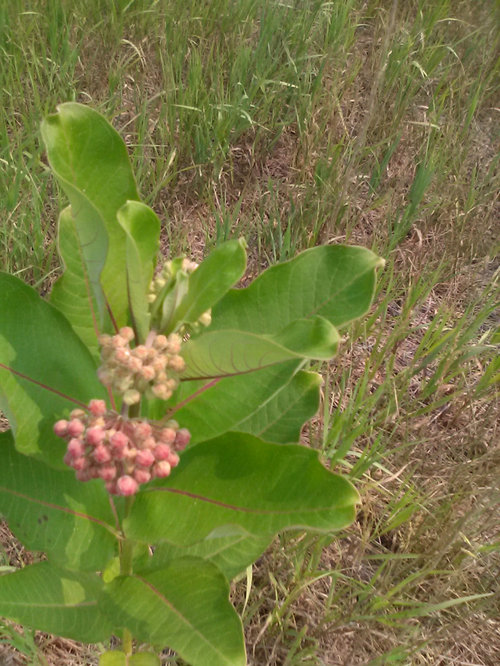
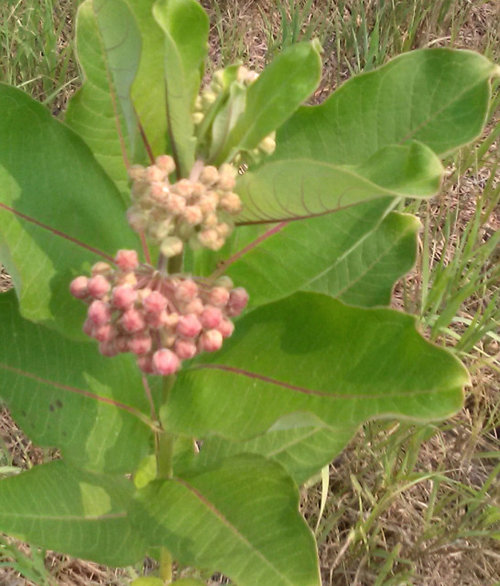
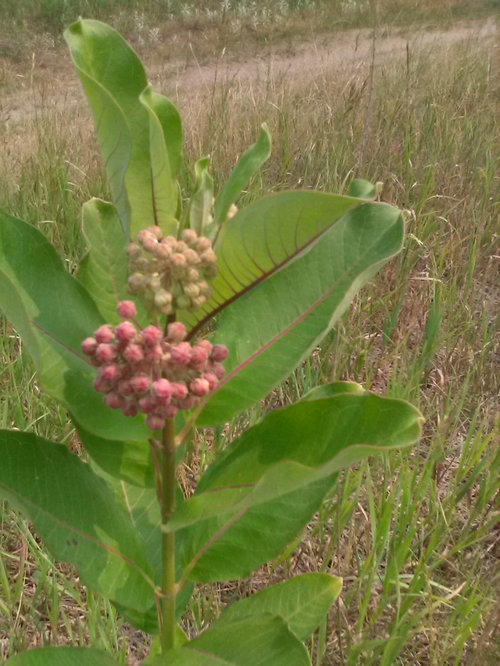
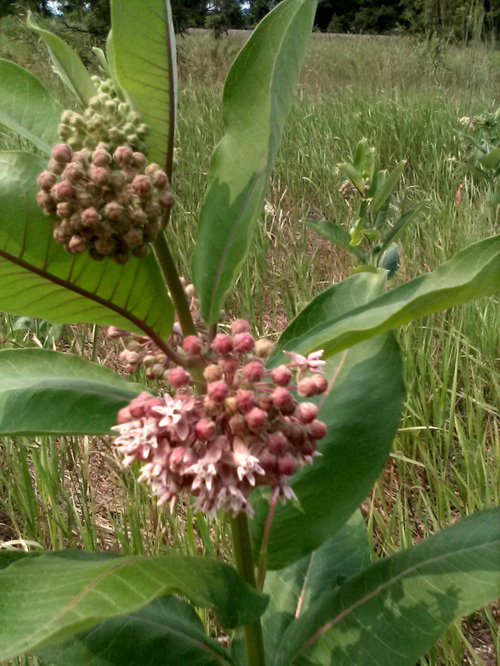
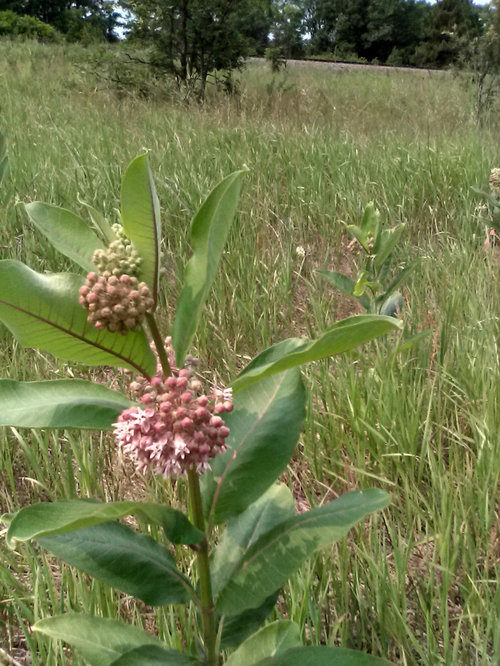
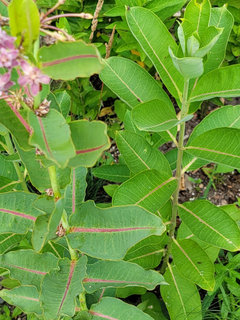
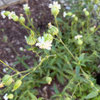
A medium sized Milkweed
5 years ago
Featured Answer
Sort by:Oldest
Comments (12)
- 5 years ago
Related Professionals
Kalamazoo Landscape Contractors · Louisville Stone, Pavers & Concrete · Nashville Stone, Pavers & Concrete · Spring Stone, Pavers & Concrete · Wichita Falls Landscape Contractors · Fredericksburg Cabinets & Cabinetry · Huntington Cabinets & Cabinetry · Watertown Cabinets & Cabinetry · Miami Landscape Architects & Landscape Designers · Sioux City Landscape Architects & Landscape Designers · Reno Landscape Architects & Landscape Designers · Provo Landscape Architects & Landscape Designers · Show Low Landscape Contractors · Albuquerque Landscape Contractors · Napa Home Additions- 5 years ago
 5 years ago
 5 years agolast modified: 5 years ago
 5 years ago
- 5 years ago
- 5 years ago
- 5 years agolast modified: 5 years ago


Related Stories

SHOP HOUZZHighest-Rated Area Rugs by Size
Slim, small, medium and large — these popular designs will anchor your space in style
Full Story0
GARDENING GUIDESGreat Design Plant: Butterfly Milkweed, a Beacon in the Prairie
Vivacious orange flowers for you, nectar for the butterflies and bees. Asclepias tuberosa is worth planting for more reasons than one
Full Story
HOUZZ TOURSMy Houzz: An Opposite-Tastes Couple Finds a Happy Medium
Cherished antiques rub elbows with contemporary furnishings in this intimate-feeling open-plan Chicago condo
Full Story
GARDENING GUIDESGreat Design Plant: Milkweed
Quit cringing. This not-weed plant is a sight to behold in the garden, has a delicious vanilla scent and is a magnet for butterflies
Full Story
LIFEHouzz Call: What’s Your Perfect House Size?
How big is too big? How small is too small? Please tell us which home size is just right for you
Full Story
BACKYARD IDEASSet Up Your Patio for Ultimate Lounging — Whatever Its Size
Make tiny terraces feel larger and expansive decks look more inviting with these styling tricks
Full Story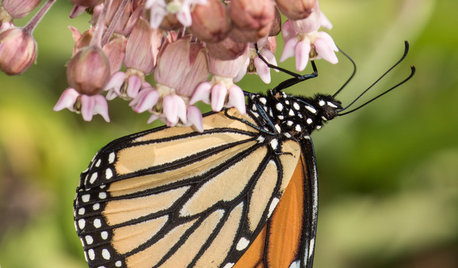
FLOWERS AND PLANTSHelp Monarchs and Other Butterflies by Planting Common Milkweed
Summer-blooming Asclepias syriaca is an important larval host plant for the monarch butterfly and attracts a number of pollinating insects
Full Story
KITCHEN DESIGNBar Stools: What Style, What Finish, What Size?
How to Choose the Right Seating For Your Kitchen Island or Counter
Full Story
GARDENING FOR BUTTERFLIESBring on the Birds: Natural Habitat Ideas for Gardens of All Sizes
Provide nesting, watering and perching spots inspired by the Costa Rican jungle and watch the birds flock on over
Full Story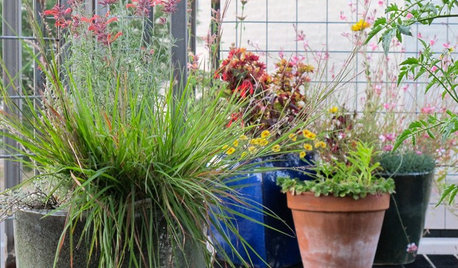
LANDSCAPE DESIGNHow to Right-Size Your Garden and Simplify Your Life
Rethink your planting space to fit your needs and you'll learn just how much garden is enough
Full Story
dandy_line (Z3b N Cent Mn)Original Author