Software
Houzz Logo Print
plantkiller_il_5

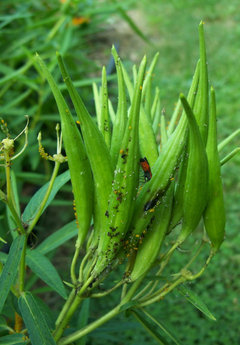
Aphids on milkweed

4 years ago
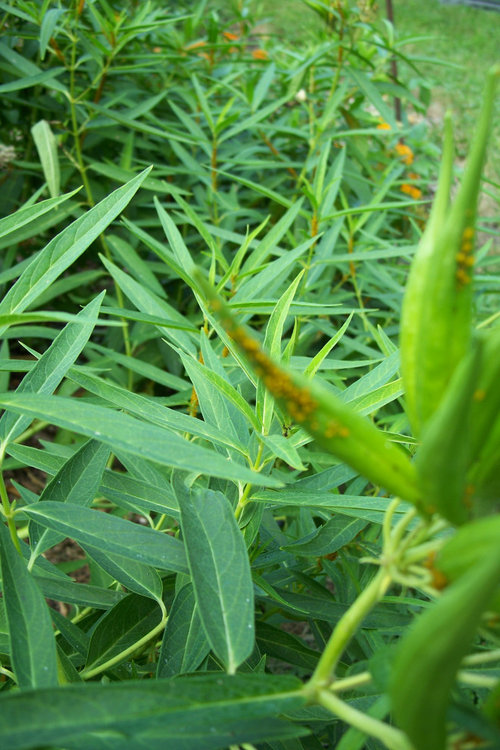
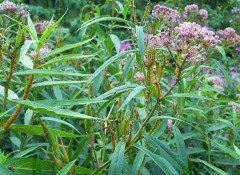
Newly planted this year - 6 milkweed

pink swamp ,,white ,, and orange

the pink & white are LOADED with aphids

have read spraying soapy water to rid

but will that harm butterfly

or is any other alternative ?

ron


Comments (15)

  • 4 years ago

    Aphids are soft bodied so a spray of water crushes them and any that survive are unlikely to find their way back up. Repeat every couple of days for the ones you may miss or any eggs that hatch.

    tj

  • 4 years ago

    Squish them or hose off the plants if the aphids bother you. I ignore them and haven't seen damage to the plants.

  • 4 years ago

    better make sure you dont have any monarch cats on them ...


    frankly... is mid august... its time for everything to start looking ugly.. i would probably just ignore them... you really dont have to fix everything... unless you are of that type.. lol ... or im just making an excuse to not bother dealing with it ...


    i mean really.. who cares ... they arent going to kill the plants ...


    ken

  • 4 years ago
    last modified: 4 years ago

    Ron, I don't see any benefits by adding soap to the water. I usually have the nozzle on the mist setting, and there's enough water pressure to remove the aphids if you get close enough to them with the nozzle. If you let the milkweeds be, predators will come and do a much better job at ridding the aphids. The aphids do seem to be more attracted to milkweeds like Asclepias incarnata and other species with tender leaves. It probably also has something to do with the amount of toxins each species has. I grow the variety of swamp called Asclepias incarnata var. pulchra, and it has hairy leaves and more toxic cardioglycoids, so it doesn't attract as many Oleander aphids. Waiting for predators takes patience. I had a Balloon Milkweed,( Gomphocarpus physocarpus), and a Tropical Milkweed(Asclepias curassavica), that were totally covered in aphids. Hosing them off was a constant battle, so I left them to wait for aphid predators. Both plants looked horrible, but after the predators ate the aphids, both plants put on fresh, new growth. Milkweeds and Monarchs have been evolving together for millions of years, and the milkweeds produce toxins to repel the Monarchs, but the Monarchs keep evolving to adapt to the toxins. The reason Common Milkweed is so agressive is because it has to keep adapting to predation, by throwing up so many stalks to stay alive and keep photosynthesizing.

    The mist setting may not always get them all, and then I switch to another setting. There may be Monarch eggs or newly hatched caterpillars on the milkweeds so a thorough inspection before spraying is recommended.

  • 4 years ago

    Milkweeds & aphids go together like peas & carrots. Don't worry about the aphids. Just enjoy watching the monarch cats eating your plants.

  • 4 years ago

    I think if given enough time, (barring world wide global destruction from climate change.) I think Monarch caterpillars would eventually evolve to eat the Oleander Aphids. We already have other butterfly species that use aphids as hosts, and some Hawaiian caterpillars are carnivorous. I've had many a milkweed that were just stems after being eaten, so the milkweeds are accustomed to intense predation, and if established, they will bounce back.

  • 4 years ago

    I grow several varieties of milk weed (swamp, common, tuberosa, purple, swan). The oleander aphids typically appear on the common, and swamp. I typically either just squish them in place and leave their guts (seems to act as a deterrent) ... or I will bend the plant over (to avoid over spraying the whole plant where monarchs might be hanging out) and spray with soapy water.


    Oleander aphids are not native to the US... and I've never seen our native predators be able to keep them in check by a long shot. Too many aphids will distort further new leaf growth (which monarchs like) and will damage see pods. Because of this... I am fine using Non native control methods.

  • 4 years ago

    That's a good point by Nevermore44 - because oleander aphids are non-native they don't share a long history with our native milkweeds or our native aphid predators, meaning they potentially have a competitive advantage over our natives (like other non-native invasive species do). OTOH, some reports like this one from the BYGL indicate that our native predators can actually have a significant impact on oleander aphids. The article also mentions a 2014 study that found (surprisingly) that monarch caterpillars can even grow larger on milkweeds that are infested with oleander aphids, apparently due to lower levels of toxins associated with aphid infestation.

    Just to add to the confusion, there is also a native milkweed aphid (Aphis asclepiadis) that is often tended by ants which can result in decreased survival of young monarch caterpillars. According to the BugLady (University of Wisconsin) the Oleander Aphid (unlike the native aphid) is not usually tended by ants.

    This year my butterflyweed (A. tuberosa) had a heavy infestation of Oleander Aphids, and because it's a relatively small plant and easy to inspect for the presence of caterpillars (there were none) I used a "non-native control method" (insecticidal soap) on the aphids.

  • 4 years ago
    last modified: 4 years ago

    If the pods in your photo were left to the aphids, then you would not end up with viable seeds in those pods.

    Aphid predators are not selective as to avoid eggs.

    The laissez-faire approach is inapplicable to A. curassavica; aphids always start on newest leaves and flowers, completely wreck them, then proceed lower.

    To scatter aphids by water is analogous to dusting furniture by blowing the dust around; aphids are unharmed.

    No other plant-safe method can match the effectiveness of pressing leaves or flower stems between thumb and forefinger (I prefer gloved).

  • 4 years ago

    Squishing is even more tedious than spraying. I have a huge honeyvine with aphids, that would be taking up my whole life, 24/7 squishing aphids. When you spray them off, I doubt they can climb back up the plant, but ants might possibly bring them back, because ants farm aphids. Most will probably get picked off while on the ground. Squishing can help vent some of the pent up anger caused by the aphids, but you'll probably end up neurotic and depressed after doing it for a while. I disagree that squishing is more effective than spraying, but I don't care for either method, and believe it's best to allow predators to fix it. I tried raising Monarchs in cages. It was absolutely nerve wracking and hopeless. I once reasoned that the stench of the squished aphids would repel other aphids from attacking the plants, but the aphids could care less. As far as the aphid predators eating Monarch eggs or caterpillars, well that's nature's way you know. We can't fix everything. We just forget about the web of life, because our species is at the top of the food chain, and never needs to fear predation from other species, except other members of our own species.

  • 4 years ago

    I ran out of time yesterday to post more pics

    ron


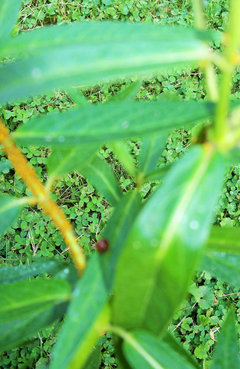
    what is this guy ?


    one lonely lady


  • 4 years ago
    last modified: 4 years ago

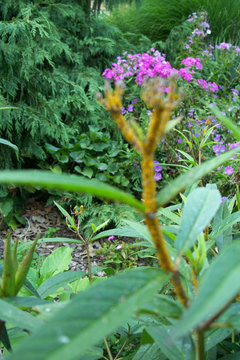
    aphids all the way down the stalks to the ground


  • 4 years ago

    That guy is a large milkweed bug (Oncopeltus fasciatus).

    tj

    plantkiller_il_5 thanked tsugajunkie z5 SE WI ♱
  • 4 years ago

    I sprayed with soapy water after I got home

    ron