

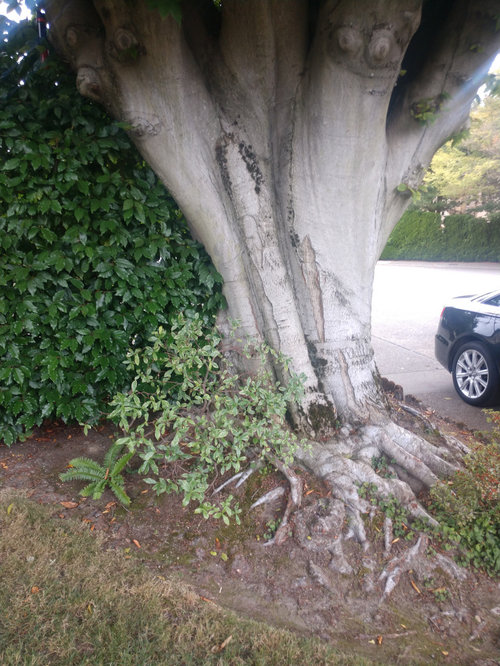
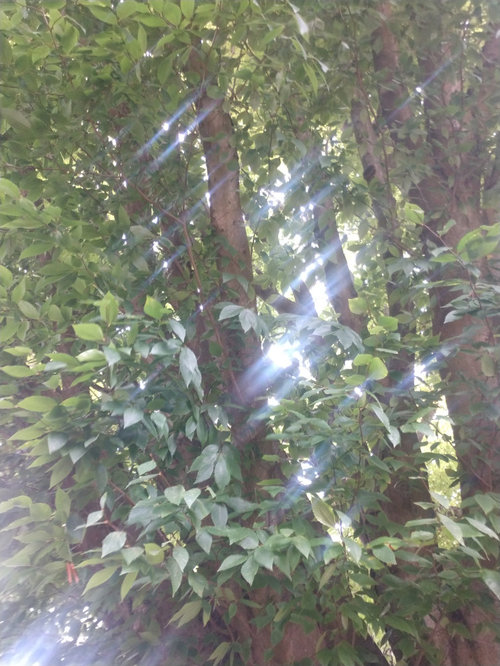
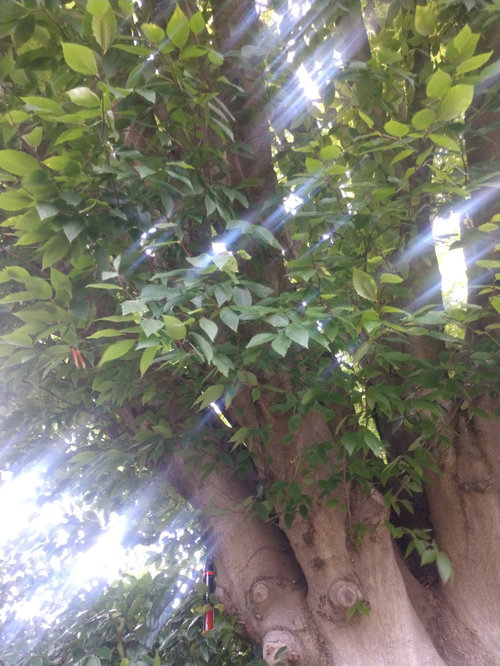
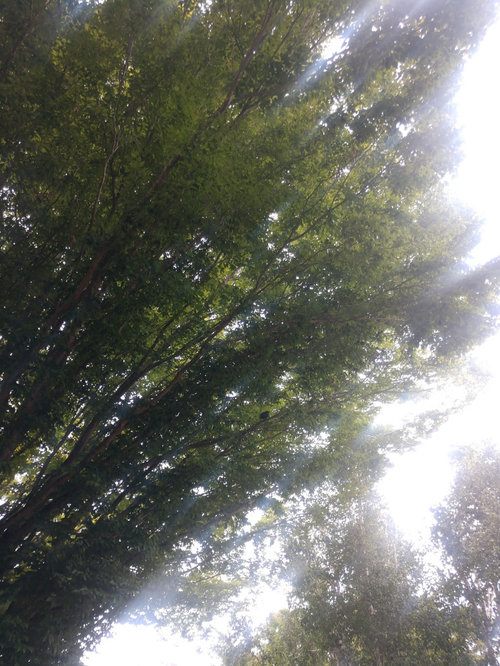
Help ID large tree in zone 8
5 years ago
Featured Answer
Sort by:Oldest
Comments (13)
 5 years ago
Related Professionals
Rock Hill Landscape Architects & Landscape Designers · Saint Cloud Landscape Architects & Landscape Designers · Cape Girardeau Stone, Pavers & Concrete · Harrisburg Stone, Pavers & Concrete · Marinette Stone, Pavers & Concrete · Sacramento Stone, Pavers & Concrete · Saint George Stone, Pavers & Concrete · Murfreesboro Landscape Contractors · Georgetown Landscape Contractors · Kankakee Landscape Contractors · Albert Lea Landscape Contractors · Minneapolis Landscape Contractors · Paducah Home Additions · Muncie Home Additions · Buffalo Home Additions- 5 years ago
- 5 years ago
 5 years ago
 5 years ago
 5 years agolast modified: 5 years ago
 5 years ago
 5 years ago
- 5 years agolast modified: 5 years ago
- 5 years ago
- 5 years ago
- 5 years ago

Related Stories
LANDSCAPE DESIGN8 Reasons to Plant a Great Tree
Beauty is its own reward, but the benefits of planting the right tree in the right place go way beyond looks
Full Story
LANDSCAPE DESIGN8 Trees Landscape Designers Love for Small Spaces
Learn more about the top-performing trees to grow in tight corners, city courtyards, narrow side yards and more
Full Story
MOVINGRelocating Help: 8 Tips for a Happier Long-Distance Move
Trash bags, houseplants and a good cry all have their role when it comes to this major life change
Full Story
GARDENING GUIDES8 Unthirsty Plants Help You Save Water in Style
Spend less effort and money on your landscape with drought-tolerant and native plants that liven up your yard
Full Story
WINTER GARDENING8 Gorgeous Trees for Winter Interest in the Garden
Intriguing forms and beautiful branches take center stage when color heads back into the wings of the winter landscape
Full Story
WINTER GARDENINGHow to Help Your Trees Weather a Storm
Seeing trees safely through winter storms means choosing the right species, siting them carefully and paying attention during the tempests
Full Story
LANDSCAPE DESIGN8 Ways to Create Zones in Your Landscape
Add interest to your yard by breaking it into separate areas for different activities or views
Full Story
REMODELING GUIDES8 Tips to Help You Live in Harmony With Your Neighbors
Privacy and space can be hard to find in urban areas, but these ideas can make a difference
Full Story
GREEN DECORATING8 Questions to Help You See Through Green Hype
With the ecofriendly bandwagon picking up some dubious passengers, here's how to tell truly green products and services from the imposters
Full Story
UNIVERSAL DESIGNMy Houzz: Universal Design Helps an 8-Year-Old Feel at Home
An innovative sensory room, wide doors and hallways, and other thoughtful design moves make this Canadian home work for the whole family
Full Story
Dave in NoVA • N. Virginia • zone 7A