Software
Houzz Logo Print
jason_carlton26

Loosening heavily compacted, sandy soil

After pulling weeds in my back yard (preparing to sow new seed, hopefully tomorrow), I've discovered that large parts of the yard are HEAVILY compacted and sandy!


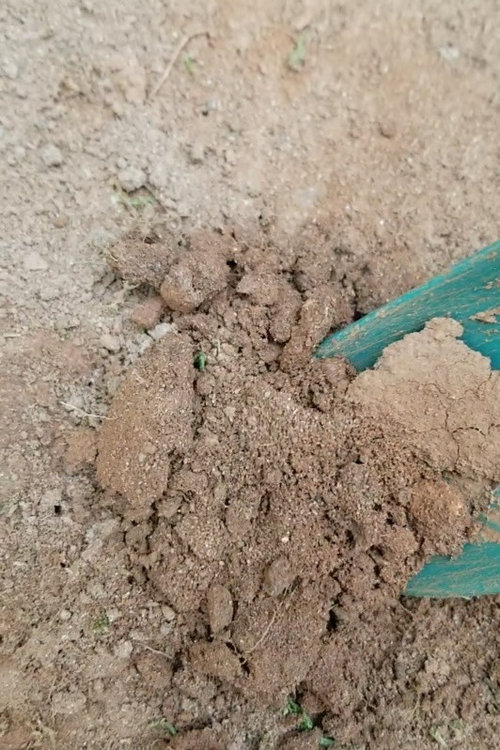
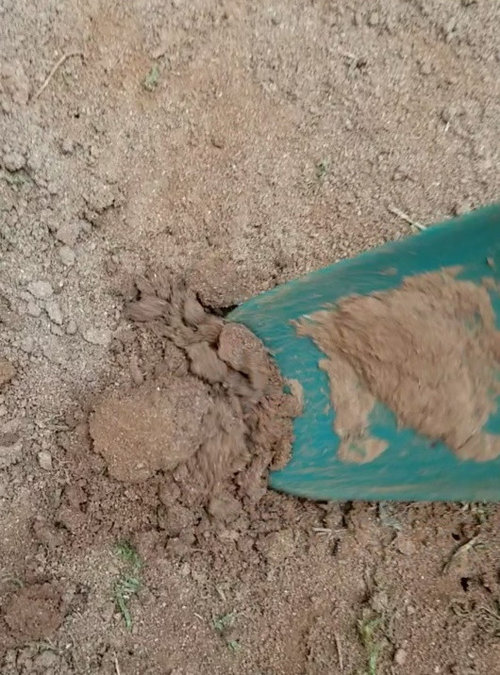
I'm not sure if these pics will adequately show what I'm dealing with or not:


The sprinklers run 20 minutes every other day, and they ran about 7 hours before taking these pictures. So it should be nice and moist, but I had to twist the trowel with pretty good pressure to get this much up for you to see.


The healthier parts of the yard are red and dark brown in color, but you can see that the soil here is practically white.


I bought the house about 20 years ago, and only started really working on the yard a year or so ago (sowing new seed, aerating, and spreading corn meal gluten monthly). The previous owners did a lot of poor quality updates throughout the house (things I'm STILL finding and redoing!), so I suspect that they might have added sand to the yard in an attempt to help with the much larger drainage issue that I have.


Any suggestions on how to "fix" this before sowing new grass? There was nothing but weed here before, so I'm pretty sure there's no real way for grass to take root.

Comments (9)

  • 4 years ago

    Compost.

  • 4 years ago

    Do I just dump it on top? I've read that I shouldn't till it or anything.


    Is there a specific type? And how much do I use?

  • 4 years ago

    You probably want it fixed NOW. Compost is an excellent, if expensive, approach. Mulch can sometimes be had for free and works as well.

    I am anti-aeration for several reasons. One of those reasons is that surfactants work better and cost a whole lot less. Golf courses and other sports complexes use a product called Cascade Plus (no relation to the dishwasher detergent). Assuming you don't have 350,000 square yards to cover, you can get by with a bottle of shampoo from Dollar Tree. Apply the shampoo with a hose end sprayer at a rate of 3 ounces per 1,000 square feet. So if you have 2,000 square feet of lawn, then put 6 ounces of the shampoo into a hose end sprayer bottle, fill the bottle with water, and spray it all out on the lawn trying to cover it evenly. If you run out early or have some left over, it's no problem. You cannot over do the shampoo. Follow that up with 1 inch of water. Measure 1 inch using tuna or cat food cans placed in the yard. Be sure to put one in the dry spot. It could be your sprinklers are not adjusted right. Turn on the sprinkler and time how long it takes to fill all the cans. That is your watering time for 1 inch of water. The extra inch of water will carry the shampoo down into the soil where it's needed. This process creates a new environment underground for the soil microbes. It takes 3 weeks for the microbes to repopulate and to see the results. If it seems better after 3 weeks but not good enough, then redo the shampoo. There is no limit to this.

    It took me a while to get my wife to believe this works, but now she has her own bottle of shampoo she uses every time she transplants something. She squirts the hole with shampoo, drops in the plant, and waters it.

  • 4 years ago

    You can dump compost on top and it will eventually help improve the texture and health of the soil. You may want to add compost annually if the soil is in bad shape. Or you can work it into the soil before you plant. The problem is that disturbing the soil typically brings up ten billion weed seeds that will happily germinate. These days most experts advise against tilling. Either way, it might be an idea to delay planting, bring in a load of quality compost and leave it to work its magic until Spring. Invest in your soil and it will pay dividends in multiples.


    If your bed is very small, you can buy quality compost in bags at most independent nurserys. For larger areas, it's usually better (and cheaper) to have a load delivered then add it to the planting beds one wheelbarrow load at a time. Buy your soil products from reputable, local vendors who know about soil and amendments that work well in your area, and how much to apply. You might also consider having your soil tested to see what it needs -- your local Master Gardeners and/or Extension Office should be able to provide you with information.

  • 4 years ago

    I wish that I had started this project about 6 months ago! At this point, if I don't sow seed immediately then I'm going to be dealing with a mud pit for at least 7 or 8 months :-( The unofficial last day to sow tall fescue in my area is October 1, so I'm already pushing it.


    The yard is about 2000 sq.ft, but these compacted areas are only maybe 100 sq.ft total so it's not impractical to buy bags of compost. The only local option is Lowes Hardware, though.


    Is it OK to buy a few bags of compost at Lowes tomorrow (Sunday), rake it on top of the exposed soil, then drive over it a few times with the mower and aerator to pack it in a little, then sow on top of it on Monday? I can't really work it in by hand, the soil is so hard that I really can't get 1/2" in.


    Or is the shampoo trick better / faster? If it takes 3 weeks to build up microbes then I suspect I'd be better off doing it in the Spring rather than tomorrow?

  • 4 years ago

    I'm not familiar with the shampoo recommendation so can't comment. If I was in your shoes I'd add the compost and some organic fertilizer along with the seed and then go ahead and give your plan a try -- if it fails you can give it another shot in the Spring. Good luck!

  • 4 years ago

    One problem with waiting is that crabgrass seed is also germinating in the spring. Also the summer heat is not good for tender new grass plants. If you can get seed in now, it has a better chance of giving you good grass for next summer.

    I would seed now, walk on the seed to press it down into the surface of the soil, and water lightly, 3x per day, for 2 weeks. The soil should never become soggy with seed on it. After the grass comes up you can use compost if someone sells you on that. When it gets up to 5 inches tall, mow it back down to 4 inches.

    You can do the shampoo at any time. Surfactants are only a trick because you've never heard of them. It has been in the catalog of options at sports facilities for decades as a replacement for core or tine aeration.

    I used to be a compost advocate as well as compost tea. I'm over that now that I have discovered organic fertilizers. In my neighborhood a cubic yard of compost costs $35 and delivery is another $70. The application rate for compost is 1/4-inch. A cubic yard over 1,000 square feet gives you about 1/4-inch making the cost of compost (for me) about $105 per 1,000 square feet. Whereas I can buy 50 pounds of cornmeal at the feed store for $7. Cornmeal covers at a rate of 20 pounds per 1,000 square feet for a cost of $2.80 per 1,000 square feet. I can use cornmeal 38 times before I reach the cost of using compost once. Even if I have a truck and can bring it home myself, compost is still far more expensive than organic fertilizer. Applying compost is back breaking, takes a full weekend, and if you get it on too heavy, you can smother your grass. Cornmeal goes on like fertilizers, and it's almost impossible to apply it too heavily.

  • 4 years ago

    @dchall_san_antonio, when you say "corn meal", is that different from Corn Meal Gluten?


    I started using CMG last year, spreading it once a month. I skipped the Winter, so I've spread it on the 1st of the month from April - August. I skipped September because it's supposed to be a pre-emergent, too, and I was preparing to sow new grass.


    If this is the same thing then it may have helped add nutrients to the yard (I hope so, I've spent like $150 on it!), but hasn't had an apparent impact on the compacted and sandy section.


    I'm about to run to Lowes and buy 5 or 6 bags of compost, with a plan of spreading it maybe 1" thick (or a tad less) on these sandy areas, and then just sow grass on top of it. I'm not sure if grass will seed in pure compost, but it DEFINITELY won't seed in areas that are little more than dusty cement! LOL


    How often do you apply shampoo as a surfactant?

  • 4 years ago

    I shampooed my lawn in San Antonio in 2012 and it never needed it again. I'm moving back to SA and have bought a house, but I have not fertilized or done anything to the yard yet. We're going to be removing a lot of turf in favor of lower maintenance/watering ground covers.


    Ordinary whole ground corn meal ($7 per bag) is different from corn gluten meal ($30 for a smaller bag). CGM is a super organic fertilizer which can be bought at your feed store for less than at a nursery. The feed type CGM does not carry the expensive license to be used as a lawn preemergent herbicide. It is; however, the same material in the bag.

    You might be surprised at where grass seed can germinate. Having said that, germinating it in compost should work very well.

Sponsored