

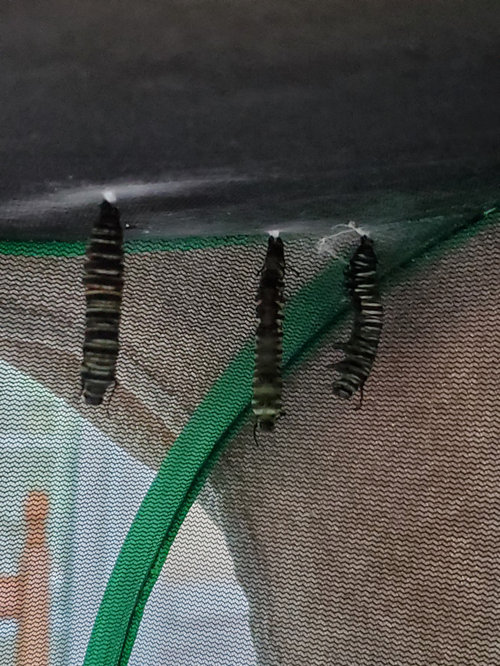
Monarch caterpillars not pupating
5 years ago
Sort by:Oldest
Comments (5)
Related Stories
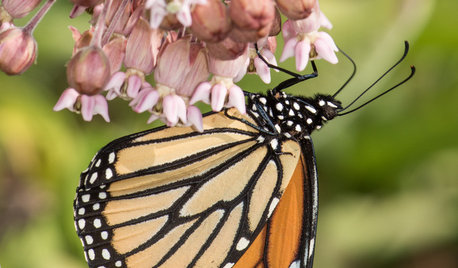
FLOWERS AND PLANTSHelp Monarchs and Other Butterflies by Planting Common Milkweed
Summer-blooming Asclepias syriaca is an important larval host plant for the monarch butterfly and attracts a number of pollinating insects
Full Story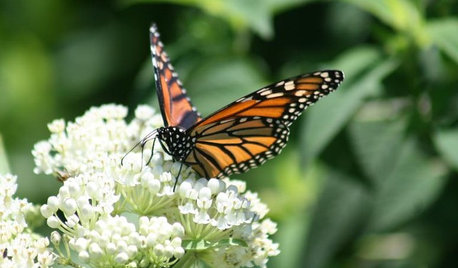
GARDENING FOR BUTTERFLIESBe a Butterfly Savior — Garden for the Monarchs
Keep hope, beauty and kindness alive in the landscape by providing a refuge for these threatened enchanters
Full Story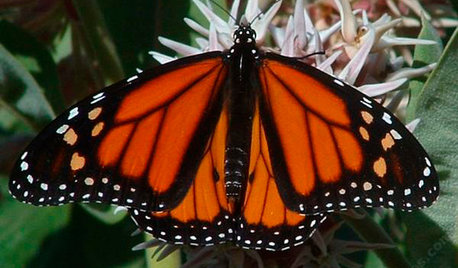
CALIFORNIA NATIVE PLANTSGreat Design Plant: Asclepias Is Attractive to Monarch Butterflies
Increase monarch butterfly populations in California by planting stunning native milkweeds
Full Story
FALL GARDENINGWhat Monarch Butterflies Taught Me About Garden Design
Thinking like a butterfly leads to fresh perspectives in the garden and in life
Full Story
GARDENING GUIDESGreat Design Plant: Asclepias Incarnata for a Butterfly Garden
Beautiful swamp milkweed makes it easy to help monarchs and other pollinators in eastern U.S. gardens
Full Story
GARDENING GUIDESGreat Design Plant: Asclepias Verticillata
Plant whorled milkweed in dry central and eastern U.S. gardens to attract monarch butterflies and other insect pollinators
Full Story
GARDENING GUIDESGreat Design Plant: Asclepias Viridis
Green antelopehorn is a milkweed that is short, drought-tolerant, not aggressive and a monarch favorite
Full Story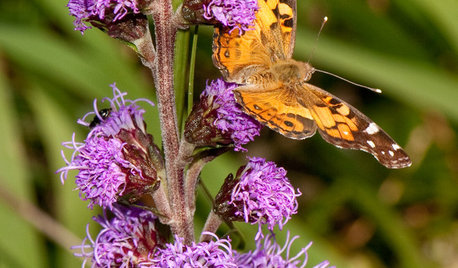
GARDENING GUIDESAmerican Lady Butterflies Add Delight to Summer Gardens
Provide native nectar and larval host plants to welcome these migratory butterflies
Full Story
GARDENING GUIDESHow I Learned to Be an Imperfect Gardener
Letting go can lead to a deeper level of gardening and a richer relationship with the landscape. Here's how one nature lover did it
Full Story
GARDENING FOR BUTTERFLIES7 Native Wildflowers to Make You an Awesome Butterfly Host
Offer the leaves of these and you’ll get more butterflies than with flower nectar alone
Full Story
Sponsored
four (9B near 9A)
sheltie6Original Author
Related Professionals
Tyler Landscape Architects & Landscape Designers · Davenport Landscape Architects & Landscape Designers · Portsmouth Landscape Architects & Landscape Designers · Trenton Landscape Architects & Landscape Designers · Mountain Home Landscape Contractors · Port Saint Lucie Landscape Contractors · Cambridge Landscape Contractors · New Braunfels Landscape Contractors · Dothan Home Builders · Des Moines Home Builders · Dubuque Home Builders · Los Angeles Home Builders · Modesto Home Builders · Las Vegas Home Builders · La Grande Home Buildersfour (9B near 9A)
sheltie6Original Author
Maid For You Cleaning