

Range hood insert recommendation
4 years ago
last modified: 4 years ago
Sort by:Oldest
Comments (4)

Related Stories
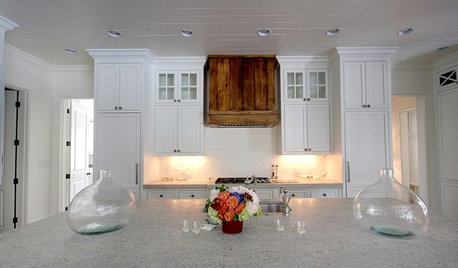
KITCHEN DESIGNWood Range Hoods Naturally Fit Kitchen Style
Bring warmth and beauty into the heart of your home with a range hood crafted from nature's bounty
Full Story
KITCHEN APPLIANCESWhat to Consider When Adding a Range Hood
Get to know the types, styles and why you may want to skip a hood altogether
Full Story
KITCHEN DESIGNWhat to Know When Choosing a Range Hood
Find out the types of kitchen range hoods available and the options for customized units
Full Story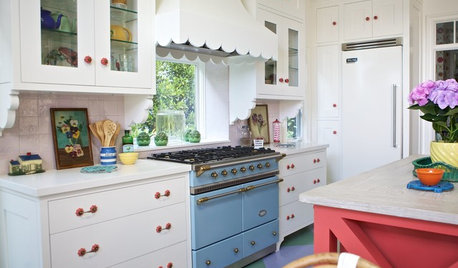
KITCHEN APPLIANCESThe Many Ways to Get Creative With Kitchen Hoods
Distinctive hood designs — in reclaimed barn wood, zinc, copper and more — are transforming the look of kitchens
Full Story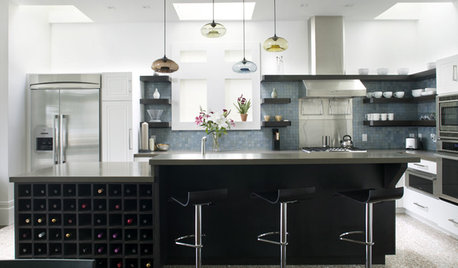

KITCHEN DESIGNHow to Choose the Right Hood Fan for Your Kitchen
Keep your kitchen clean and your home's air fresh by understanding all the options for ventilating via a hood fan
Full Story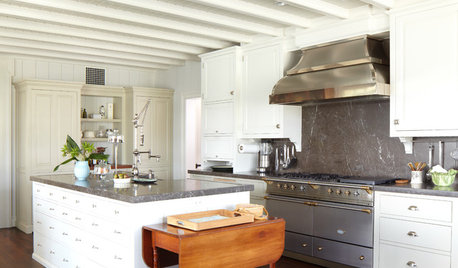
KITCHEN DESIGNHow to Find the Right Range for Your Kitchen
Range style is mostly a matter of personal taste. This full course of possibilities can help you find the right appliance to match yours
Full Story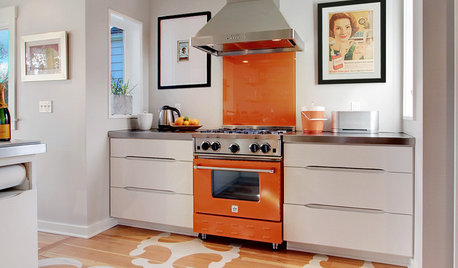
HOUSEKEEPINGHow to Clean Your Range and Oven
Experts serve up advice on caring for these kitchen appliances, which work extra hard during the holidays
Full Story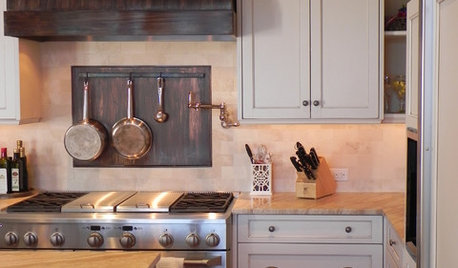
KITCHEN BACKSPLASHESKitchen Confidential: 8 Options for Your Range Backsplash
Find the perfect style and material for your backsplash focal point
Full Story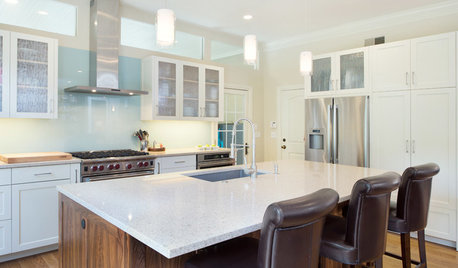
KITCHEN DESIGNModern Storage and Sunshine Scare Away the Monster in a Kansas Kitchen
New windows and all-white cabinetry lighten a kitchen that was once dominated by an oversize range hood and inefficient cabinets
Full Story
kaseki
User
Related Professionals
Monroe Kitchen & Bathroom Designers · Frederick Kitchen & Bathroom Designers · Newark Kitchen & Bathroom Designers · Westerly Kitchen & Bathroom Designers · Mesquite Kitchen & Bathroom Designers · Cape Girardeau Bathroom Remodelers · Corpus Christi Bathroom Remodelers · Leominster Bathroom Remodelers · Pittsfield Bathroom Remodelers · Oneonta Bathroom Remodelers · Sarnia Bathroom Remodelers · Cumberland Kitchen Remodelers · Asheville Kitchen Remodelers · Waterloo Kitchen Remodelers · Odessa Kitchen RemodelersLamb SkewerOriginal Author
kaseki