Software
Houzz Logo Print
amy_heller9714174

spray foam installation

4 years ago
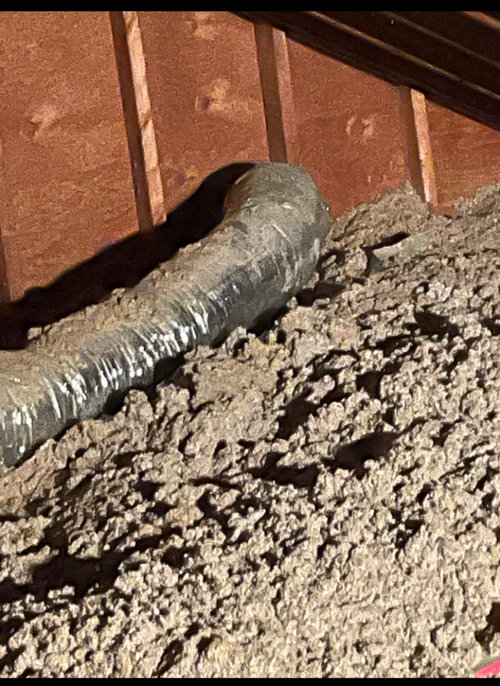
Hi. I moved into a house two years ago with this type of insulation on my attic floor. Can someone tell me what kind it is and if there are any health concerns with it? I am in NJ and the house is still super cold and I feel like I am having breathing issues. I wonder if it’s working or if there is something better.

Those ducts are for my AC. We found out they are duct board after our vents were cleaned and huge holes were found in it. No wonder my house was so humid in the summer. Thought it was my windows.

Comments (9)

  • 4 years ago

    Thank you. I just read about it and it seems to be a very eco friendly product. Makes me feel so much better about it.

  • PRO
    4 years ago

    Health concerns are just the dust. If you're installing it you need to wear a N95 mask, really the only down side to it as it's very efficient, won't shrink in time etc.


    If you have a ceiling cave in it is also more messy to clean up... but for what it is it works really well, great insulating properties.

  • PRO
    4 years ago

    "...it's very efficient, won't shrink in time etc."


    What?


    Au contraire, mon ami. It's well known that blown-in cellulose insulation settles over time and that its R-value will diminish as a consequence. When installing blown-in cellulose insulation in attics, it is installed at a greater depth than required in order to account for settling, most of which occurs within the first week or so. If you want to increase the R-value, you can supplement the insulation by adding more on top of it.

  • 4 years ago

    OP here! I have a boiler in basement and AC in attic. The reason I asked this question is because I have been having a hard time breathing in my house (been here two years). Summer was bad and humidity was high in my house.

    We had the ducts cleaned on September 27 and we found out the the main trunk at the base of the AC unit was not attached on the bottom and we had some holes in our ducts and some ducts not attached. We had them temporarily fixed / taped by the duct cleaning company until we figure out what to do. But because of all the spray foam they didn’t check them all. The ducts they found that weren’t attached were filled with spray foam and it came out all over my house when they cleaned. We now have been getting an awful amount dust since. It’s a fine white dust like construction dust. I did have a bathroom redone before I had ducts cleaned. The bathroom was done the first week of September. It was my master bathroom upstairs. My main duct I was told is fiberglass and the others are duct board. I do believe there are more holes in the ducts or some not attached but we just can’t see them under the spray foam. We are in the process of getting estimates to replace it all. Our house is also very hard to keep warm and I think cold air is / was coming in through the ducts not attached into the ceiling vents.

    I have an air quality test this week and a home energy audit at the end of the month. Trying anything to figure this out. Might be wasting money.

    I have taped some ziplocks bags to vents and closed some vents and opened some. So I can see if I can trap some dust for tests.

    I guess my question is could it be spray foam insulation dust or any ideas on anything else? Could it be construction dust from my bathroom? (We had soffit removed so he was up in attic).

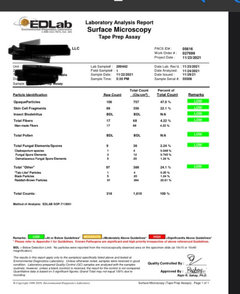
    I ordered an overnight allergen test from Amazon and the results are not to helpful . I wanted them to find out if it is possibly fiberglass.

    Last year the vents were all closed but we had the duct company run a wire and to a new thermostat so we could circulate air to try and get the house less drafty. We have turned the fan off and are till getting this awful dust.

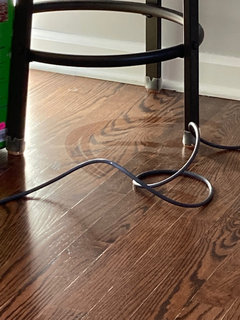
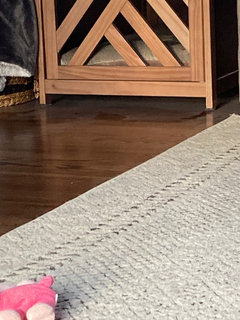
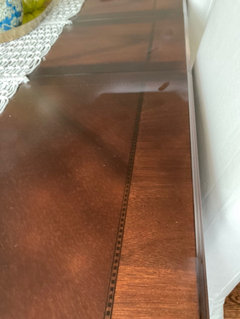
    Just a few pictures I took but it has been much worse.

    Rambling sorry but I have so much to say.

  • PRO
    4 years ago

    Hi, May,

    I think there are issues with how you've labeled your insulation that are getting in the way of diagnosing the problem.


    The insulation shown in the picture of your attic is blown-in cellulose insulation; it's not spray foam insulation. If your HVAC main trunk lines are constructed from duct board, they have rigid fiberglass insulation--not spray foam. They may or may not have a liner. If your ducts have been insulated on the exterior by application of spray foam insulation, that would be spray foam insulation, but should not affect what happens on the interior of the ducts other than reducing duct leakage.


    If you can help clarify what you've got, it would be helpful to the process of diagnosing the problem.

  • 4 years ago

    Sorry. Yes it is blown in cellulose. I keep calling it spray foam. The main trunks going into the ac unit that were not attach underneath is JM Fiberglass main trunk and all the other branches of ducts (about 16) are fiber glass duct board.

  • PRO
    4 years ago

    I agree that your lab test isn't all that informative. If what you showed is the complete report, then they only performed a visual characterization of the sample you provided. No chemical analysis was done to identify the specific type of fibers or the "reddish brown" particles. It also doesn't tie the findings to a particular concentration in air which is an important consideration if you're having breathing problems.


    I'm not a fan of duct board or any product that puts glass fibers on the inside of a duct--liner or no liner. Duct board is difficult, if not impossible to clean. You should replace all of it with sheet metal duct, with the joints properly sealed, and insulated on the exterior. That's an investment in the health of everyone in your home.


    Even without your HVAC system operating, your home is subject to stack effect; air can be drawn into the home through openings around windows, doors, electrical receptacles, etc. That can pick up dust from inside wall cavities and deposit it inside you home. The amount of leakage can be determined from a blower door test, but you can skip that step if you assume some amount of leakage and invest in weather stripping and air sealing--particularly around windows and doors.

  • 4 years ago
    last modified: 4 years ago

    Agree that's blown-in cellulous. Using the right words is important when you are trying to troubleshoot something like this. The dust from cellulous isn't white, it's grey.

    Also agree that you want to go with metal ducts and insulate the outside. I hate fiberboard or flex duct.

    You can't fix dust / air quality issues without fixing the ductwork. The attic insulation shouldn't find its way into the living space otherwise.