

Waterproofing a Shower Question
4 years ago
Featured Answer
Sort by:Oldest
Comments (21)
 4 years ago
Related Professionals
Traverse City Kitchen & Bathroom Designers · Riverton Kitchen & Bathroom Designers · Westminster Bathroom Remodelers · Kansas City Bathroom Remodelers · Greenfield Bathroom Remodelers · Augusta Bathroom Remodelers · Kissimmee Tile and Stone Contractors · Valdosta Tile and Stone Contractors · Salina Tile and Stone Contractors · Elizabethtown Tile and Stone Contractors · Greensboro Tile and Stone Contractors · Richmond Tile and Stone Contractors · Grand Rapids Tile and Stone Contractors · Brooklyn Tile and Stone Contractors · Yuma Tile and Stone Contractors- 4 years ago
- 4 years ago
- 4 years ago
- 4 years ago
- 4 years ago
- 4 years agolast modified: 4 years ago
 PRO4 years ago
- 4 years ago
- 4 years ago
- 4 years ago
- 4 years ago
- 4 years ago
- 4 years ago
- 4 years ago
- 4 years ago
- 4 years ago
 PRO4 years ago
- 4 years ago
- 4 years ago
Related Stories
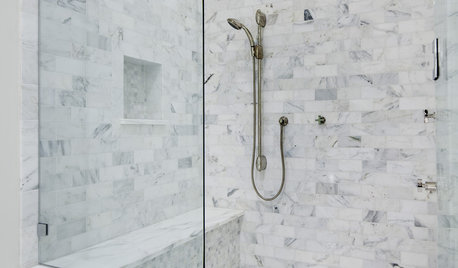
BATHROOM DESIGNConvert Your Tub Space Into a Shower — Waterproofing and Drainage
Step 4 in swapping your tub for a sleek new shower: Pick your waterproofing materials and drain, and don't forget to test
Full Story
BATHROOM DESIGNShower Curtain or Shower Door: Which Is Right for You?
Find out which option is the ideal partner for your shower-bath combo
Full Story
BATHROOM DESIGNHow to Settle on a Shower Bench
We help a Houzz user ask all the right questions for designing a stylish, practical and safe shower bench
Full Story
HOME TECH3 Shower Sound Systems That Beat Your Clunky Old Radio
Stream music, radio and podcasts — and even take phone calls — right in your shower, with wireless and water-resistant sound systems
Full Story
BATHROOM DESIGNConvert Your Tub Space Into a Shower — the Tiling and Grouting Phase
Step 3 in swapping your tub for a sleek new shower: Pick the right tile and test it out, then choose your grout color and type
Full Story
BATHROOM DESIGNWhy You Might Want to Put Your Tub in the Shower
Save space, cleanup time and maybe even a little money with a shower-bathtub combo. These examples show how to do it right
Full Story
BATHROOM DESIGNShower Lights Bathe Bathrooms in Brightness
Lighting in colors as dazzling or soothing as you choose can bring a whole new dimension to your shower routine
Full Story
SHOWERSConvert Your Tub Space Into a Shower — Choosing Accessories
Step 5 in swapping your tub for a sleek new shower: Pick the right niches, benches and bars for the best showering experience
Full Story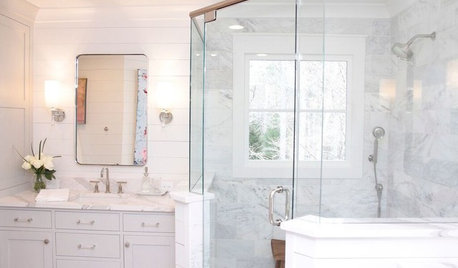
ROOM OF THE DAYRoom of the Day: Ditching the Tub for a Spacious Shower
A Georgia designer transforms her master bathroom to create a more efficient and stylish space for 2
Full Story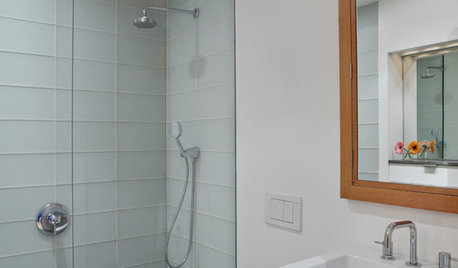
BATHROOM DESIGNConvert Your Tub Space to a Shower — the Planning Phase
Step 1 in swapping your tub for a sleek new shower: Get all the remodel details down on paper
Full StorySponsored

Customized Award-Winning Interior Design Solutions in Franklin Cnty OH
Stonetech/Avanti Tile