Software
Houzz Logo Print
thelittlehouse23

New concrete driveway chipping

4 years ago
last modified: 4 years ago

Please help!! (Trying this a second time as first post wouldnt allow pictures)

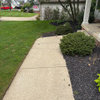
Last week I had a new imprint driveway installed and already lots of hairline cracks and chips are starting to form days later. I have messaged the Installer and hes said thats normal and not to panick as its not finished yet with sealant. Its not had cars on or been walked on yet, so Im worried about what it will look like after weight and frost. He seems like a decent guy so I want to give him the benefit of the doubt when he says this can be resolved.. however I’m struggling to see how thats possible?? I’ve currently got a family member in hospital and a lot of stress on at work so just feel like I’ve dropped the ball getting this done and its going to be a costly mistake. Any advice would be appreciated as to whether the chipping shown is ’normal.’ There are more and more areas showing up each day.


Comments (10)

  • 4 years ago

    Still no photo, try posting it here in the comments.

    If it is already cracking and chipping, that is not normal. Sealant won't hide that, either AFAIK, although it is supposed to prevent weather related damage/failure.

  • 4 years ago

    I’ll try again. How frustrating it shows on my screen and then blank when i post it

  • 4 years ago

    Again more chippings. It seems every day I look out more are there and I had this installed 6 days ago.. im dreading putting a 4x4 on it as it looks like it’ll crumble like a crisp

  • 4 years ago
    last modified: 4 years ago

    I am no expert on concrete patterns, but clearly, this is a bad install. I do not know how others feel, but to me this looks like he mixed the concrete incorrectly.

    I think you have a big problem, and short of redoing the job, there is not going to be an easy fix.

    Did the contractor mix his own concrete on-site, or did he get it delivered from a vendor? There might be a complicated chain of liability here, with you making a claim to the contractor, and the contractor making a claim to the vendor he used for the concrete. If your contractor mixed his own concrete, I would say he did not understand the chemistry of good concrete mixes well enough.

  • 4 years ago

    I agree. Ive been told its normal and they havent finished yet but how could this ever be rectified other than digging it up and re-doing it. Sealant wont solve this issue. The other hairline cracks indicate weakened integrity of the concrete which will also eventually loosen and chip away. So disappointed really

  • 4 years ago
    last modified: 4 years ago

    @The Little House 23 You might want to ask the vendor what was his water to concrete ratio and ask him to disclose the exact formula used to make the concrete. That information is going to help a civil engineer or concrete expert help you determine if the concrete itself was the source of the problem.

    My guess is the surface coating he used is a chemical that shrinks as it dries. The underlying concrete was too brittle and was not able to handle the shear forces caused by the asymmetric drying of the surface coating.

    If he will disclose the name of the surface coating product he used, you can check with that company and their data sheets to see what requirements they have for the concrete mix.

  • 4 years ago

    I contacted the company of the surface coating when it was installed as I wanted to make sure it was done correctly. I was always advised in the past that you let concrete cure slowly by light spraying and keeping it covered. However both the installer and the concrete coating company said i was wrong and that it didnt need to be covered or kept hydrated. They said dont touch it just let it dry out in the sun and the powder coating (left on for four days which I also thought was excessive) would protect the concrete from the elements until it was ready to wash off.
    This to me seemed strange to me.. I thought this would prematurely dry the surface of the concrete out too quickly and cause a weakened final product with spalling issues. The pictures seem to indicate this..
    Its been an expensive lesson. I wanted block paving and got talked into this option instead. Never again. I totally dropped a ball with this due to other things going on and hoping I could get something ticked off the list of jobs to do.
    I highly doubt i’ll be able to get him to re-do the work and I dont have faith that once the cars have been driven on it in several weeks time, that it wont just crack and crumble. Thanks for your help anyhow. I wanted to understand if my standards were being unrealistic. I was told there would be some ‘imperfections’ but nothing like what there are. Looks that my concerns were warranted and reasonable after all.

  • 4 years ago

    @The Little House 23 I think what you might not be understanding is that "concrete" is actually a formula made from different ingredients, and the actual proportion of those ingredients changes quite a lot from one vendor to another. If you do not get key aspects of that formula correct, it makes the concrete defective, for almost any application. For example, the water to concrete ratio is under 35%, the concrete becomes brittle. If the water to concrete ratio is too high, the concrete becomes porous and has a shorter lifetime.

    The nature of the failure here suggests the concrete itself was made incorrectly. So I would spend time finding who made it and what formula did they use. I suspect that will give you clues.

  • 4 years ago
    last modified: 4 years ago

    When I had a new porch slab poured a couple of years ago, I also asked if I needed to spray or keep moist - and was told no, that the technology had improved so that was no longer needed. They didn't put any sort of powder coat on it like you mention (perhaps because it was under a roof?) The slab cured fine, I've had no problems with crazing, cracking, chipping or spalling.

  • 4 years ago

    That is terrible. I can't even believe anyone would say all it needed was sealant.