

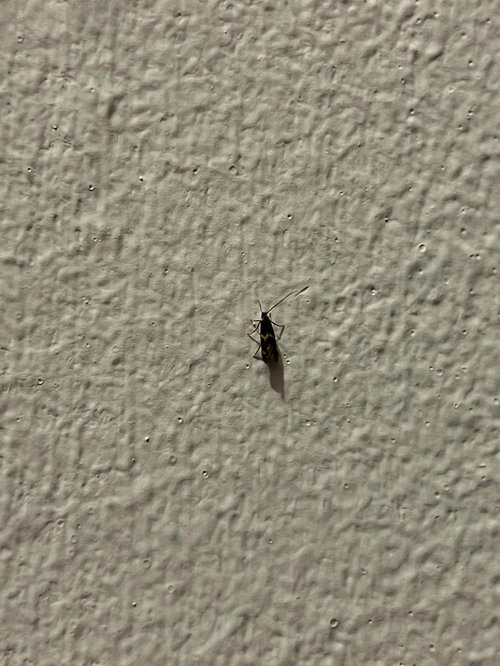
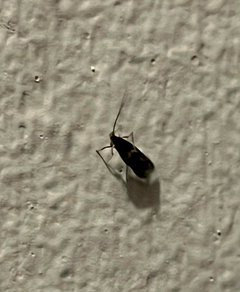
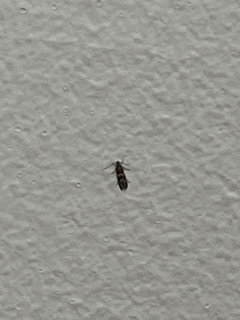
Please help ID this moth
4 years ago
Featured Answer
Sort by:Oldest
Comments (7)
Related Professionals
Oxford Landscape Architects & Landscape Designers · Virginia Beach Landscape Architects & Landscape Designers · Des Moines Landscape Architects & Landscape Designers · Worthington Landscape Architects & Landscape Designers · Westerly Landscape Architects & Landscape Designers · Sebring Landscape Contractors · Gaithersburg Landscape Contractors · Sedalia Landscape Contractors · Longview Landscape Contractors · Rochester Landscape Contractors · Victorville Landscape Contractors · Indianapolis Tile and Stone Contractors · Dallas Tile and Stone Contractors · Charlottesville Tile and Stone Contractors · Los Angeles Tile and Stone Contractors 4 years ago
- 4 years ago
- 4 years ago
- PRO4 years ago

Related Stories

HOME OFFICESQuiet, Please! How to Cut Noise Pollution at Home
Leaf blowers, trucks or noisy neighbors driving you berserk? These sound-reduction strategies can help you hush things up
Full Story
GARDENING GUIDESGreat Design Plant: Silphium Perfoliatum Pleases Wildlife
Cup plant provides structure, cover, food and water to help attract and sustain wildlife in the eastern North American garden
Full Story
KITCHEN DESIGNKitchen of the Week: White Cabinets With a Big Island, Please!
Designers help a growing Chicago-area family put together a simple, clean and high-functioning space
Full Story
SELLING YOUR HOUSEThe Real Scents That Will Help Sell Your House
Ditch the potpourri and baked cookies. Follow these guidelines on scents to use and avoid to help sell your home
Full Story
MOST POPULARCrowd-Pleasing Paint Colors for Staging Your Home
Ignore the instinct to go with white. These colors can show your house in the best possible light
Full Story

PLANTING IDEAS3 Color Palettes to Help Set Your Garden’s Mood
Select plants in these color combinations to create an outdoor space that’s cheerful, energizing or calming
Full Story
DECORATING GUIDESHouzz Call: What Home Collections Help You Feel Like a Kid Again?
Whether candy dispensers bring back sweet memories or toys take you back to childhood, we'd like to see your youthful collections
Full Story
HOUSEPLANTSMother-in-Law's Tongue: Surprisingly Easy to Please
This low-maintenance, high-impact houseplant, also known as snake plant, fits in with any design
Full Story
LATEST NEWS FOR PROFESSIONALSGot Masks? Here’s How You Can Help During the Coronavirus Crisis
If you have N95 masks and other protective items needed by medical professionals, you can help by donating your extras
Full Story
Sponsored
More Discussions
User