

Plaster Range Hoods
4 years ago
Featured Answer
Sort by:Oldest
Comments (15)
 4 years agolast modified: 4 years ago
- 4 years ago
Related Professionals
Gainesville Interior Designers & Decorators · Fall River Interior Designers & Decorators · Torrington Architects & Building Designers · Concord Architects & Building Designers · Great Falls Architects & Building Designers · Olympia Architects & Building Designers · Portland Kitchen Remodelers · Kissimmee Custom Countertops · Toledo Custom Countertops · Sioux City Architects & Building Designers · Dalton Design-Build Firms · Albany Design-Build Firms · Fort Collins Design-Build Firms · Brainerd Home Builders · Vancouver Home Builders- 4 years agolast modified: 4 years ago
- 4 years ago
- 4 years ago
 PRO4 years ago
- 4 years ago
- 4 years agolast modified: 4 years ago
- PRO4 years ago
- 4 years ago
- 4 years ago
 4 years ago
- 4 years ago
 4 years ago
Related Stories
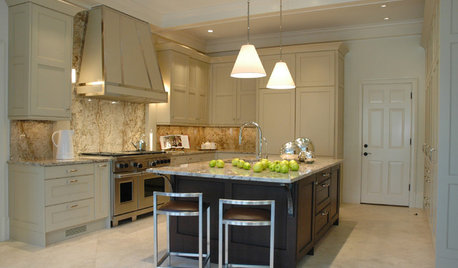
KITCHEN DESIGN8 Industrial-Luxe Kitchen Hood Styles
Make a Statement with Show-Stopping Metal Range Hoods
Full Story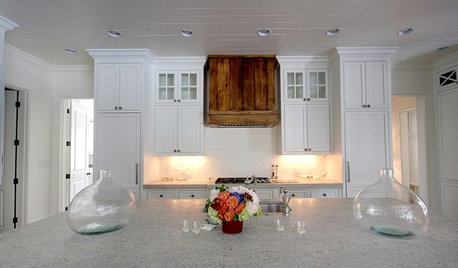
KITCHEN DESIGNWood Range Hoods Naturally Fit Kitchen Style
Bring warmth and beauty into the heart of your home with a range hood crafted from nature's bounty
Full Story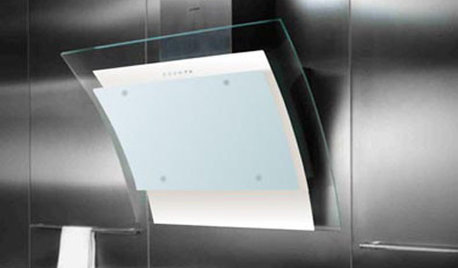
5 Stunning Modern Range Hoods
Today's kitchen range hoods can look like sleek sculptures. Here's what to look for when you go shopping for one
Full Story
KITCHEN APPLIANCESWhat to Consider When Adding a Range Hood
Get to know the types, styles and why you may want to skip a hood altogether
Full Story
WALL TREATMENTSSurface Smarts: Venetian Plaster
Centuries-old Venetian plaster has made a roaring comeback in modern interiors. Could this old-world wall favorite work in your home?
Full Story
KITCHEN DESIGNHow to Choose the Right Hood Fan for Your Kitchen
Keep your kitchen clean and your home's air fresh by understanding all the options for ventilating via a hood fan
Full Story
KITCHEN DESIGNWhat to Know When Choosing a Range Hood
Find out the types of kitchen range hoods available and the options for customized units
Full Story
KITCHEN DESIGNHome Above the Range: Smart Uses for Cooktop Space
With pot fillers, shelves, racks and more, you can get the most function out of the space above your kitchen range
Full Story
KITCHEN DESIGNHow to Find the Right Range for Your Kitchen
Range style is mostly a matter of personal taste. This full course of possibilities can help you find the right appliance to match yours
Full Story


bry911