

Where do I deadhead this rose stem
4 years ago
Sort by:Oldest
Comments (5)
Related Stories
GARDENING GUIDESHow to Deadhead Roses and Other Garden Favorites
Follow this basic guide and learn how to properly deadhead roses and other flowers
Full Story
ROSESSmooth Rose’s Arching, Not-So-Thorny Canes Provide Beauty All Year
Plant Rosa blanda, native from the Great Lakes eastward, for its long bloom season, pollinator food and attractive red hips in autumn
Full Story
GARDENING GUIDESLearn the Secret to Bigger and Better Roses
Grow beautiful roses using both ordinary and unusual soil amendments
Full Story
PLANTING IDEASGreat Garden Combo: Rose + Clematis for Small-Space Impact
We all need somebody to lean on. And when a rose supports a climbing vine, the results can totally transform a small garden
Full Story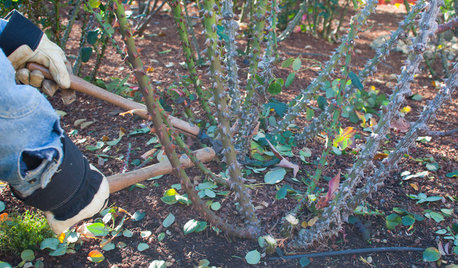
ROSESHow to Care for Your Roses Over Winter
Get advice on protecting against cold in cold-winter regions and pruning and planting in mild-winter regions
Full Story
SPRING GARDENING5 Exotic Rose Colors for a Beautifully Different Garden
Give red a rest. Let these daring hues take the spotlight instead for a rose garden that turns heads
Full Story
GARDENING GUIDESYou’re Going to Want to Stop and Smell These Roses
See top picks from David Austin’s most fragrant roses in colors ranging from ivory to crimson
Full Story
WINTER GARDENINGHow to Plant Bare-Root Roses
Late winter or early spring is a great time to put new roses into the ground
Full StoryGARDENING GUIDESYour Complete Guide to Fall Rose Care
Cooler temperatures are on their way, and it’s time to get your rosebushes ready for fall
Full Story
GARDENING GUIDESHow I Learned to Be an Imperfect Gardener
Letting go can lead to a deeper level of gardening and a richer relationship with the landscape. Here's how one nature lover did it
Full Story


Moses, Pitt PA, cold W & warm/humid S z6
a1anOriginal Author
Related Professionals
Fort Myers Landscape Architects & Landscape Designers · West Palm Beach Landscape Architects & Landscape Designers · Brattleboro Landscape Architects & Landscape Designers · San Jose Landscape Architects & Landscape Designers · Victoria Landscape Architects & Landscape Designers · Mobile Landscape Contractors · Manhattan Landscape Contractors · Charlotte Landscape Contractors · Memphis Landscape Contractors · Kankakee Landscape Contractors · El Dorado Home Builders · Miami Home Builders · Raleigh Home Builders · Rockford Home Builders · San Bernardino Home Buildersrifis (zone 6b-7a NJ)
Moses, Pitt PA, cold W & warm/humid S z6
Moses, Pitt PA, cold W & warm/humid S z6