Software
Houzz Logo Print
ruffian829

What do we do now?

13 years ago
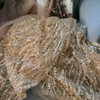
We pulled down wood paneling to find this glue stuck to the walls underneath. It's raised and rough in 99% of the place. The goal was to paint the room... Sanding down the glue with a palm sander isn't working so well. Scraping it off with a razor blade is slow going and leaving many holes/gouges along the way. Is there any other way to approach this? There are areas where they seemed to go a bit... Crazy... With the glue and its super dense with squiggles and dots everywhere. The photo is the lesser of the glued area. :-/

Comments (56)

  • 13 years ago
    How about a skim coat of plaster to smooth it out? Prime first with a good adhesion primer, then apply plaster. Sand it smooth and you will be ready to prime and paint. The sanding is a messy job, be prepared for it to go all over.
  • PRO
    13 years ago
    If you don't have insulation and are going to insulate, just rip out the drywall.

    If you don't rip out drywall you really should get the glue off. Go at it any old way, even a grinder. Don't worry about damaging the wall surface behind it, you'll just skim coat over it when done. If you leave it, definitely paint over it with a primer-sealer, and several coats. Depending on the glue and what it is composed of not doing so may in time leave you with bleed-through from the glue.
  • 13 years ago
    I just talked to my dad (he's a contractor) and he said taking down the walls would be hard. He's already taken down one wall in the house and gutted the bathroom and said they were the hardest walls he's ever taken down. He said they are not just drywall on studs like normal walls and said finding some way to get the glue off would be much, much less work vs taking down our "rock walls."

    So... Onto plan B I guess

    If we do the textured paintable wallpaper isn't it still going to be noticeable where the glue is behind the wallpaper
  • PRO
    13 years ago
    Paper is paper...correct. Too thin to make a difference. Scrape what you can, maybe some mineral spirits to soften the glue up and then a skim coat of mud.
  • 13 years ago
    Of mud?
  • 13 years ago
    New panelling?
  • 13 years ago
    Even if we did new paneling I don't think it would lie flat or line up even because of the glue.
  • 13 years ago
    "Mud" is the plaster-like compound used for coating drywall. :0)
  • 13 years ago
    Adding new drywall over the old will require moving the electrical plugs out flush with the new drywall. Could be a PIA; also it may not fit with existing trims (I have not seen the whole room). Be very careful with removing the old glue. Using mineral spirits or paint solvent caused the death of one of my friends. He did the work in a basement without adequate ventilation. Once the fumes/particles hit the pilotflame on the furnace it blew the house up and killed him. I would rip the old drywall out, insulate, vaporbarrier and install new board. You might not even have drywall on the walls. Could be a plasterboard (really hard stuff) and might contain asbestos.
  • 13 years ago
    Ruffian, by "rock walls," is your dad saying you have lath and plaster walls? If so, that can be really good, strong stuff. Weighs a ton - or more! - and removing it makes a big mess for a few days. You can't easily nail into plaster like you can with sheetrock - that could be one reason why they used so much glue. If you grind down the glue and have it skimmed over, at least you'll get a fresh start.
    About insulation, what year was your house built? What kind of wiring do you have? If you have knob-and-tube, that's important information because you can't put just any old insulation around it - the wires need space or they can overheat and start a fire.
    Knob-and-tube required a lot of skill to install, and today's electricians often marvel at the craftsmanship. But knob
    -and-tube gets a bad rap because as our electric demands have increased, people over the decades have tied different wiring together, which jeoparizes the original. Just something to ask about.
  • 13 years ago
    Looks like Liquid Nails. You pretty much have to scrape it off with a 5in1 or putty knife. 5in1 is that tool that looks like a putty knife with a semicircle cut out of it. Great tool. Be careful using a solvent. Aside from what happened to simsala's friend, if you plan to paint, anything oily may stain the wall.
    Maybe you have plaster walls? How old is the house? In any case, I agree with ReSquare - scrape it and then patch whatever gouges you put in.
  • 13 years ago
    The house was built in 1960s I think. I am fairly certain they are plaster walls, as they are not Sheetrock, but I don't know enough to say for sure.

    I'm not sure about the electrical either, but I can ask our electrician, he's done a ton of work already and is coming back to switch over our system (right now it's a fuse box). We have a great electrician who knows his stuff (because my dads in the trades he knows a lot of really good people. They do mostly remodels, some new construction, typically no "house calls").

    Simsala, I'm sorry about your friend. That is truly awful, and scary. Although this is a room with two windows, I have a two year old as well and the last thing I want is him exposed to harmful fumes.
  • 13 years ago
    Been there....took paneling off plaster walls and had to deal with adhesive. A heat gun and a flat blade slid under the softened adhesive worked to lift the adhesive off the plaster, and we were able to prime and paint the walls.
  • PRO
    13 years ago
    what ReSquare said, "If you don't rip out drywall you really should get the glue off. Go at it any old way, even a grinder. Don't worry about damaging the wall surface behind it, you'll just skim coat over it when done"

    simple and most cost effective. Your repairs will be about thye same as mud and taping new drywall
  • 13 years ago
    last modified: 13 years ago
    Agree with Jim and lucicat- if the walls are as tough as your dad says, they'll take it, and it's better than drywall in the end. Lotta work!
  • PRO
    13 years ago
    In the late 50's, early 60's they came out with a product called "rock lath". It is a 12" X 4' piece of wallboard with regular holes cut out of it to bond a surface plaster coat to it. Typically made with asbestos. Don't use the heat gun to remove glue unless you are able to use the low setting. The wall paint below the glue is probably lead based paint and getting it hot enough to smoke will send lead fumes into the air...many health risks associated with lead poisoning and burning it is really the worst....so easy to aspirate and get it into the bloodstream. The story of the guy blowing himself up is a shame...but how he managed to get that much VOC into the atmosphere without choking on the fumes himself is beyond me....always use proper ventilation when dealing with chemicals. Read all the warning labels and follow best practices for safety.
  • 13 years ago
    That's good information for all of us, ironwood. Thanks.
  • 13 years ago
    last modified: 13 years ago
    Here's what Liquid Nail's website has to say about removal: http://www.liquidnails.com/liquid-nails-adhesive-faqs

    You might try chipping off a dime sized piece and coating it with petroleum jelly to see if that softens it. Perhaps one of the pros would know if a standard oil based primer would cover any remaining petroleum jelly stains on the walls.

    Ironwood has good advice on the paint situation. Lead paint tests are less than $10 at the hardware store. Safety first.

    Drywalling over it might be the safest and easiest solution.
  • 13 years ago
    @ ironwood
    he was a professional painter. Never used a mask when spraying laquer on railings. Warned him many times, never listens
    New drywall is not that expensive. To finish/repair the old you would probably spend as much time as you would new joints
    what is a more serious concern is likely the lack of insulation. It would be a good time to improve. Imagine:
    realtor: by the way this house has no insulation.
  • 13 years ago
    @ apple pie
    I guess this applies more to wooden studs and newer drywall. If the old stuff contains materials hazardous to your health it is a must to get rid of.
    If you sell a home with it and knowingly covered it up, I assume in the US there are enough lawyers to make a good living suing whoever they can
  • 13 years ago
    There's no paint on the walls that the glue is on. Putting new drywall up over it won't lay flat because of the glue. Taking down the walls really isn't an option. I was told It would destroy the interior walls as well, as we won't be able to just take down the side of the room we need refinished.
  • 13 years ago
    I just wanted to add, if there is asbestos in the walls everything says its best to leave it where it is and untouched if possible. It's safe unless it gets disturbed and into the air (if we tore down the walls/remodel). Another reason to not pull down the walls and re-drywall I guess. Also, it says its a good insulator, which is probably why there wasn't a need to insulate. It's not unheard of for houses in this area; they are all the same. If we need to, we'll probably do spray insulation.
  • 13 years ago
    If removing the glue is your only option, use a Rockwell Oscillating Tool Kit. It has several blades, some of which are for scraping and some for power sanding. I assume this is the roughing stage and you will need to smooth sand this with a different tool.
  • 13 years ago
    We just borrowed a belt sander so I'm hoping that works better than what we've been using.
  • PRO
    13 years ago
    simsala...my painting subcontractor is just like that....we try to keep him off the jobsite. He keeps forgetting to use drop cloths. His guys wear masks and don't make as many mistakes. Dealing with stable asbestos, as is possibly in the existing wall material, as well as any lead paint is done in two ways...abatement or encapsulation. An overlay of drywall works as encapsulation for both, safe according to the EPA guidelines. Not so sure about the belt sanding and grinding on materials potentially containing asbestos...thinking I'd pass on that and look to figure out another way. Perhaps adding furring strips to the plaster board, notched for the glue and fastened to the studs behind with a layer of drywall over them? Makes for a thick wall, but then if using 2X on the flat and spray foam, you could gain about an R-8.
  • 13 years ago
    I'm going to call the contractor that helped take down and frame out the wall we removed and see if he has any insight to the type of walls that we have...
  • 13 years ago
    Ironwood - you are right. Stop your work until you know what is in the wallboard. If there is asbestos you do NOT want to be sanding it, grinding it, etc and breathing in any of that dust. We just watched a very dear friend die from mesothelioma. There are labs that will analyze small samples of flooring, wall board, popcorn ceilings etc. The lab will tell you how to get the sample. If it's asbestos you have a very serious issue. Nobody should remodel an older home until they know if it has lead based paint or asbestos. I watch shows on HGTV where crews are going in and gutting places with no mention of testing the materials first, and they are risking their health. My friend didn't get sick until about 50 years after the exposure, but it's a terrible way to die.
  • 13 years ago
    Assuming the wall is safe to work on, the thought occurred to me that the glue may become brittle with cold and chip off much easier. Can you test it by holding a frozen "something" against a spot for a long time? If it turns out to help, and you can isolate the room from your other needed living areas, and you live in a cold climate zone - open the windows and let the room come to freezing temp and scrape away.....
  • 13 years ago
    Ok! So I talked to my dad and the carpenter/contractor we used- I'll preface this by saying my dads a master plumber and an inspector for several towns, the carpenter/contractor does high-end remodels, and given that we're in New England there are tons of old houses. I just want to let you all know that we are working with reputable, quality organizations/people despite it being my dad and us doing a lot ourselves. In our state, at least, being an inspector requires continuing education and annual classes.

    That being said- they said we do indeed have "rock board" type walls. But they have never heard of it containing asbestos, at least around here. They do a ton of classes and training on asbestos and are certain it would have at least been mentioned.

    Regardless, even if it does have asbestos- the walls have plaster over them, in front of the rock board. So, the sanding of the glue we'd be doing is on the plaster and there would be a long way before we hit the asbestos.

    We decided before we do any renos that may include moving/removing walls we'll test for asbestos just to be safe.

    I talked to someone who knows a plasterer about blue boarding the wall and plastering it and although they would give us a great deal (its nice to know people in the business) we just don't have that kind of money right now.

    So back to the drawing (sanding/scraping?) board.
  • 13 years ago
    I'm not sure if freezing would work or not but regardless we have hot water heat and can't just let one room reach freezing temps without the pipes freezing as well (and risking the bathroom pipes, which shares an interior wall with the bedroom, and contains plumbing in that wall).
  • 13 years ago
    Googling asbestos has me paranoid... The paneling was put up in the 70s so I'm assuming that's when the wall was plastered over as well... but now I'm reading that plaster can have asbestos as well? I'm just going to get it tested so I can stop worrying about this.
  • 13 years ago
    Have you tried Goo Gone?
  • 13 years ago
    No, haven't tried goo gone. Though I've unsuccessfully tried it on sap from a tree on my car and it didn't help at all...
  • 13 years ago
    Hang in there ruffian829 sounds like you are taking all the proper precautions. Its been my experience that challenges such as this result in some of the best results. Soon enough this will be just a funny story you tell while showing off your beautiful room.
  • PRO
    13 years ago
    Sorry to have induced paranoia. I'm sure your father, like me, knows other tradesmen that have become sick or died from exposure to the bad stuff we are discussing....a little paranoia can be healthy. The rock lath here in CA was made by Kaiser and was a by-product of their war time ship building industry. They used an awful lot of asbestos in those ships. I had their product to deal with in the mid-west as well. Not sure who produced the stuff on the east coast. And yes, they did use asbestos as a binder in plaster base or scratch coat as a substitute for horsehair.
  • 13 years ago
    My dad talks about how they used to just rip it out of houses without even masks on back in the day. He says its scary to think now people come in hazmat type suits to do the same work.
  • 13 years ago
    Hi, I have read 90% of the posts. This is my idea for what it is worth. Can you use 1 x 8's to frame out the wall as it is now. You might have to scrape glue somewhat to have the space to go from ceiling to floor every four feet with the 1 x 8 (and crosswise) but you can then attach the new drywall to the 1 x 8 frame. (Or maybe 2 x 4 and add some foam insulation?) Am I making any sense to you? Maybe David @Ironwood or one of the other terrific pros who know so much can take a look at this idea of mine and either blast it out of the sky or see if it has any chance of working. Good luck with your many projects. Thank God for your father's help too!
  • PRO
    13 years ago
    Madeline's idea is very similar to the 2X4 furring I suggested above. The 2X does allow you to notch without making the board too thin. Only difference!
  • 13 years ago
    1x8 must be referring to firring strips. Not sure why you'd need a grid of them instead of just verticals and installing the drywall vertically (which is better than the usual horizontal way).
  • 11 years ago

    With all the problems of asbestos, lead paint and the mess and dust created if you try to remove it, I would just leave it in place and cover the whole wall with a good coat of drywall mud as some one mentioned above. Go for the textured look and there is no need for any sanding. It will be a much easier job and all the potentially hazardous materials will be sealed away under the new surface you create.

  • 11 years ago
    Drywall mud, in a skim coat, is probably the best option. You can apply enough thin coats to cover, or level the adhesive.
  • 11 years ago

    Uh, thanks but this was from like a year and a half ago now. We ended up sanding the glue off and painting the walls.

  • PRO
    11 years ago

    It's one room, and if you think about it, you will have to prep this wall to apply the new wall over it. In addition you will have to build up your door and window jambs, because the new wall layer will be thicker.

    Best approach is to cut existing sheetrock along ceiling and take the walls down and apply new sheetrock to it, and you will have a nice new surface to work with.

    I can see if it was plaster which makes to much of a mass, and dust and you have lath behind it, etc.... This is sheetrock, it will come down nice and easy in large pieces and it will not make to much of a mess. Bring it to a local dump or give you garbage guy a $20 and he will be more than happy to get rid of it for you.

    P.S Be sure to wear a mask, gloves and eye protection.


    Good luck

  • 11 years ago

    It is not Sheetrock, it was rock lath. There was no taking it down in easy big chunks. The walls were not built that way.


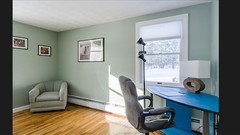
    Anyways, like I said above, this is a year and a half old. The room is now finished.

  • 10 years ago
    Wow! The finished result turned out fantastic.

    I'm about to do a similar project - 1860s farmhouse with glued paneling and a shotgun volley of nail holes.

    I saw this post and am interested in the drywall mud technique. Found this video on YouTube


    What are the cons to doing mud? If any? Why did you choose the sanding method over mud, ruff?
  • 10 years ago
    I can't imagine how many coats of mud we'd have to do to get the walls flat. The glue was super thick in lots of areas and very uneven overall. Plus it's not something we've done or we're skilled in. So we sanded. It was a mess and my husband took the brunt of it. Then I did all the repairs with the joint compound to try and fill in the holes. Primed the walls and did more joint compound (the unevenness was easier to see when it was primed), etc until we had a decent looking room and then painted, refinished the floors, painted the trim, etc.

    The walls were not perfect. But it's an older house with very dense walls and none of them were perfect. We ended up relocating and having to sell... I miss that house terribly.
  • 10 years ago
    We had a similar problem in our house. The contractors used a belt sander with coarse paper. Created a lot of dust, but the wall was smooth (enough) afterwards.

    Once you have done that you have a choice:

    - Wall paper
    - Dry wall and paint
    - Plaster and paint
  • 10 years ago

    @ texaswildflower

    I saw the video, too bad it does not show how much was involved to prep this wall to the point where the drywaller could skimcoat the surface.

    If it was my home, I would have gone right down to the studs (gives me an opportunity to check what's behind) and install new board IMO it would be more costeffective, since it takes more than one coat to finish the wall properly

  • 8 years ago

    mommy,,this post is 4 years old. they've finished the wall already.

  • 2 years ago

    I fiddled until I couldn't fiddle anymore. DeWalt palm sander and 60 grit paper. Done.