Software
Houzz Logo Print
webuser_858647138

morning glory trepidations

3 years ago
last modified: 3 years ago

Almost as an afterthought, I added a tiny ipomea leptophylla to a recent plant order...and only now decided to do a bit of research. The common name 'manroot' stopped me in my tracks as horrible memories of another ipomea, with a similar name (man under ground) surfaced with horrible foreboding. This beast was in a customers garden and was always referred to a fiddle leaf ipomea...until they decided it was eating the entire fenceline and wanted rid. I was still being puritannical about herbicides back then so hopefully began to dig, following the roots...forever. We never reached the famous 'man'...a massive tuber, but I have dug out enough bryony in my time to shudder whenever 'giant tuber' gets a mention. And lo, the first thing I read regarding my new 2inch shrublet is 'makes a massive tuber'. Should I toss this future headache now or has anyone grown bush mallow and can reassure me that I am not going to be digging to Australia if it all goes terribly wrong.

I have often been tempted by campsis radicans but fortunately, the anguished posts on GW have always stayed my hand. Hoping this little MG remains mannerly.

Comments (13)

  • 3 years ago

    Where did you find it. I badly want one and haven't been able to find one.

    I had one for years and I think someone stole it. I didn't find it invasive.

  • 3 years ago

    Ah sadly, I am on the other side of the pond from you, {Plantlady. I am an avis seed collector though so do please remind me in autumn and I will see what I can do.

  • 3 years ago

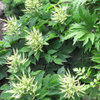
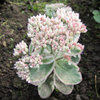
    I don't believe it's very aggressive. It keeps a reasonable size. Good for a scree garden. I grow the vining Ipomoea pandurata. It has an agressive root system. Fortuately I don't think my neighbors notice it climbing their house. I started it from a root sucker with barely any roots. Now it's a huge monster. The wooly pipevine next to it should keep it in check because it's more agressive than the pandurata. I would need another unrelated pandurata plant to get seeds, but I don't need seeds. Campsis is very agressive over here, but I wonder how it would perform with your milder weather? The bottom photo is wild leptophylla in texas. I think it will be a great addition to your mediteranean garden. Top photo Ipomoea pandurata.


  • 3 years ago

    LOL!! Campsis doesn't care a fig about "milder" weather....it grows and spreads just as aggressively in my (very similar to RP's) climate as it does in hotter locations.

    But a mild summer climate may be a limiting factor for the success of the Ipomoea. It seems they require more summer heat to thrive and bloom well than we typically can manage and I'd be concerned RP's summer weather is going to be similar. I have yet to get any species of Ipomoea to flower well here, if at all..

    According to most sources, this species of Ipomoea needs a heat index of 8 or 90-120 days of temps over 86F. The PNW is in heat zone 3 or 7-14 days of temps over 86F. Big difference!!


  • 3 years ago

    Thanks for the thought, but I have sources for seeds. They sprout for me but seedlings never last.

    Care to share your source even thought it's far way from me?

  • 3 years ago

    Last year the UK had record high temperatures and droughts, so it might grow vigorously? I sent some Ipomoea pandurata seeds to England and they never made it past the seedling stage. I have lusted after Ipomoea leptophylla, but I have absolutely nowhere to put it. I have 2 annual morning glories that will cover everything like kudzu if I don't get them under control. My Campsis was dismantling my roof, and it's weight broke my fence. When I wanted Campsis, the earwigs always ate the petals. Now that it's on my kill list, the earwigs dont touch it. My Clematis virginiana, Apios americana and Menispermum canadense vines sucker also, and I just added Smilax to the vine list.

  • 3 years ago

    " Last year the UK had record high temperatures and droughts, so it might grow vigorously? "

    Not any more so than we typically experience here in the PNW. We are in a recurring summer drought area (no measurable rainfall from July through the end of September) and with record setting hot spells. Still nowhere near hot enough to encourage any Ipomoea to bloom well here.

  • 3 years ago
    last modified: 3 years ago

    Hi PlantLady, I bought it from one of my favourite nurseries - D'Arcy and Everest...but this is in the UK.

    Ah, I have mostly grown annual MGs - ipomea nil, ipomea purpurea, ipomea coccinea/quamoclit. and the very late blooming moonflower I knew as calonyction. All have done quite well, especially in my home garden which has reflected heat from high, buff brick walls...although I would never bother with moonflower again as it barely got going until late October. Same, I find, with seed sown thunbergias (although ones which have enjoyed an early nursery start do much better) I have a coupla convolvulous too - a little mediterranean c.altheoides so while I am not expecting any sort of tropical showing, I am definitely hoping for some blooms...it will be in the sunniest, hottest place in my gravel garden (which also helps, I think).

    The i.pandurata I once had the pleasure of dealing with was not a prolific bloomer though...and was one of the reasons my customer wanted it gone. Still, an uncertain future has never really put me off having at least a coupla go-rounds (and my heart has become hardened after years of planticide.


    It occurs to me that I have just bought this from a nursery located less than 10 miles from me where they grow all their own stock from seed or cuttings so I feel fairly hopeful.

  • 3 years ago

    What a nice website!

    But.....no Ipomoea leptophylla there.

    You must have gotten the last one :)

  • 3 years ago

    The big white Ipomoea moonflower blooms very late in the season here too, in spite of our tropical rainflorest summers. After seeing the first flower buds get killed by frosts a couple times, Ive given up trying to grow it. My Datura wrightii makes up for it. I have the Cypress Vine quamoclit too. I always allow some of those to grow for the hummingbirds. I'm guessing Tropaoleum vines probably do better in the UK. I mean the red flowered one goes by the name Scottish Flame Flower, but it's native to Chile not Scotland. I tried growing the tubers, but they shut down in hot weather. I miss not having nasturtiums. I'm going to buy some seeds tomorrow and grow them in pots and have a little hobbit home garden.

  • 3 years ago

    It is not moisture tolerant (or not much) and certainly not a rampant grower. You'll be more lucky to keep it alive than have to beat it down with a broom.

  • 3 years ago
    last modified: 3 years ago

    I did, Plantlady. I checked and they are out of stock. It is a small, family nursery with everuything grown on site, so there is always a very limited number of plants. On the plus side, the plants are generally healthy and reliable. I learned a sharp lesson from my last late night foray into mail order.

    Not moisture tolerant is very good news for me, Danny. I am going to keep it in a pot for the summer to grow it on a bit. Same with a precious little calandrina caespitosa...although I am risking the habranthus tubispathus in the ground.

  • 3 years ago

    Yep, Jay, I have grown a few of the tropaeolums (with mixed results) but have never had much joy with t.speciosum (too dry and alkaline). Always tons of volunteer nasturtiums on the allotment though, with zero effort from me. I like to pick them and pop them around the house in jamjars...and I am not averse to eating them too.