Software
Houzz Logo Print
blissful_ray_of_radiation

Why is this specific hydrangea wilting? (while others aren’t)

3 years ago
last modified: 3 years ago
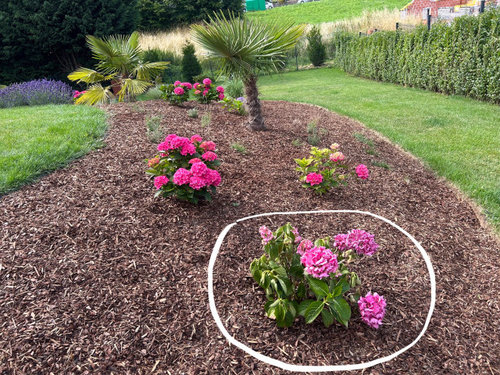
Hey guys, thanks for taking a peak and offering your insight!


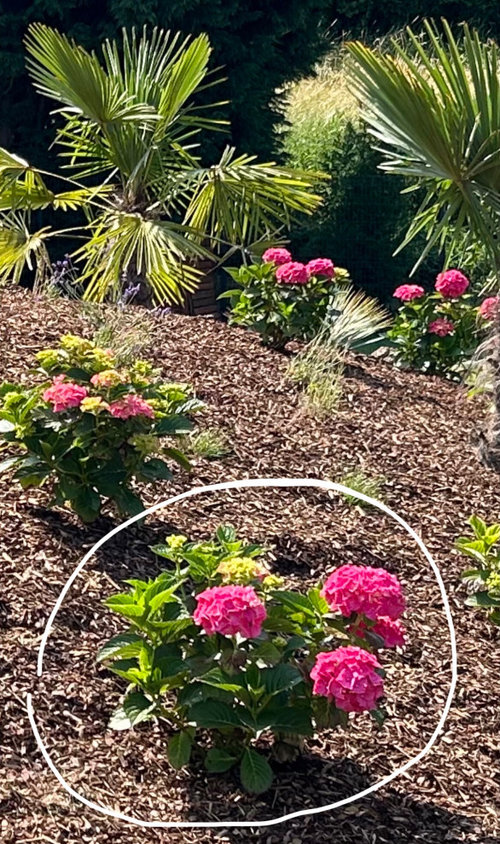
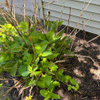
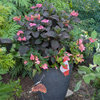
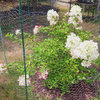
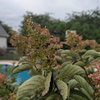
I have 18x Alpenglühen Hydrangeas (Glowing Embers), 1 of which has suddenly decided to abort all but one if its stems, resulting in quite a heart-wrenching sight.


All 18 of them are in full sun, and they’ve looked pristine since their planting in spring, even under the wrath of an exceptionally hot and dry June. The wilting doesn’t improve during the cooler temperatures of the night.


A quick search online suggests that a high dose of Nitrogen can also cause wilting…could it be that one my dogs peed on it and this is the result?


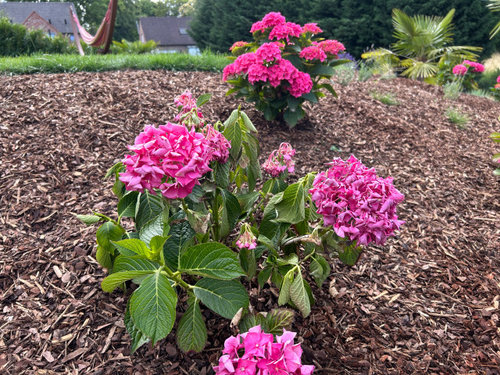
And this is how it looked 2 weeks ago.

Comments (5)

  • 3 years ago

    There can be various reasons for the wilting........the rootball was not fully hydrated at time of planting, the rootball was not disturbed adequately to encourage root extension into the surrounding soil, the water percolates differently in that particular location or it is just not receiving the same amount as its fellows, etc. Essentially all water issues. I would not consider excess N to be a contributing factor.

    These are not recommended as full sun plants and I would question the advisability of their very exposed siting in what looks to be a higher zone climate. I would predict the wilting would continue and even be a concern for the other 17 plants. Where are you located geographically?

    Nomad_61 thanked gardengal48 (PNW Z8/9)
  • 3 years ago

    @gardengal48 (PNW Z8/9) Located in Belgium, the palms can be deceiving but we have a temperate maritime climate very similar to the PNW.


    I specifically opted for varieties with thicker dark green leaves and deep flower pigments, as these are said to be more sun tolerant. I am very impressed with their performance so far, and as long as they get watered regularly they don’t mind the sun, so I don’t think exposure is a problem.


    I found another picture from the 1st of July, and it looked good. I’m surprised how sudden and drastic the change was…


    What’s interesting, is that the one next to it went through a similar situation a month ago: it appeared to have “aborted” half of its stems despite regular watering…

  • 3 years ago

    Even in my very cool summer climate, we do not plant bigleaf hydrangeas in full sun. Wilting in sun is a fact of hydrangea life here.

  • 3 years ago

    It loohs like the soil where you have planted is on a slight upslope or knoll. i had such a planting area in my back yard with a good breeze. That little hill was always very dry because of the breeze especially which contributed to drying the hill. perhaps that is a problem here.

  • 3 years ago
    last modified: 3 years ago
    There are many things that can promote wilting events but consider each plant a different individual and do not expect the same behavior from all at the same time. See if any of these scenarios can help or applies.

    Recently planted hydrangeas can suffer from transplant shock as summer temperatures arrive and may take 1-3 years to get established into the garden. Their first summer is usually the hardest. As summer arrives, they may lose leaf moisture faster than their small root system can absorb more soil moisture, triggering wilting events during the daytime and until environmental conditions improve. Then, they perk up in the morning if sufficiently hydrated or remain wilted if dry. In future years, as the root system gets larger, the wilting episodes occur less but still happen during the worst of the summer months.

    Higher summer temperatures (somewhere above 29°C approximately) can promote the start of wilting events as leaf moisture is lost faster than the still small root system can absorb sufficient soil moisture. It happens here in Texas by mid-May as we tend to get daily temperatures 37 to 46++ °C from June through September. Once established, we let them wilt during the worst of the day as long as the soil at a depth of 10 cm feels moist. Then they perk up by morning (if still wilted in the morning, I water it immediately). Note: you did not say where you are located but temperatures spiked high starting last Friday in Antwerp, Brussels and Liege for 3 days but will recede starting on Monday. This may account for the sudden wilting event.

    Direct summer sun exposure tends to be common issue here in extremely hot Texas too where we avoid direct morning sun as early as possible (11am or before). You do not have such harsh weather. When a newly planted shrub still wilts somewhat reliably in the summer and supplemental moisture does not help mulch, its root system may need extra help so we provide supplemental shade using umbrellas, outside plastic chairs, sheets and shade cloth.

    It is important to try and maintain your well-draining soil evenly moist at a depth of 10 cm (rarely wet and rarely bone dry, just moist) in the summer. Also test the soil often in several spots under the canopy at a depth of 10 cm and maintain the plant well mulched with 7-10 cm of organic mulch to minimize soil moisture loss. Water the soil –never the leaves- as soon as the soil is almost dry at a depth of 10 cm, the typical depth of newly planted hydrangeas. To ensure that it received sufficient water, wait for the water to percolate and then insert a finger into the soil to a depth of 20 cm in several spots under the canopy to see if the soil there is moist. By now, you should have switched to watering at summer watering levels. But do not water if you test the soil and it is already soggy; skipping waterings when wet can help minimize the chances of developing root rot and leaf spots. Reduce watering back to spring watering levels once temperatures are typically well below 29 °C around August.

    The planting location can also help promote leaf desiccation when the shrub is in the middle of the landscape. This may promote quick drying of the top soil and the very shallow roots. A wind block, planting close to a wall or in between two larger plants can prevent slow, summer breezes from desiccating the leaves. If you hear on the news that there is a wind advisory for tomorrow, consider watering the plant the night before if the soil is almost dry.

    Other watering hints: water early in the mornings; to minimize the chance of diseases, water the soil and never the plant/leaves if you can help it; water from the root ball outwards; when the leaves brown out from the edges inwards, the plant may need more supplemental water so monitor the soil very closely if this starts to happen. If the plant is wilted 24/7 even after allowing for water to percolate, there could be borer insect damage, root rot or root damage from pests.