Software
Houzz Logo Print
letstrydiy

Bender board or something else here?

2 years ago
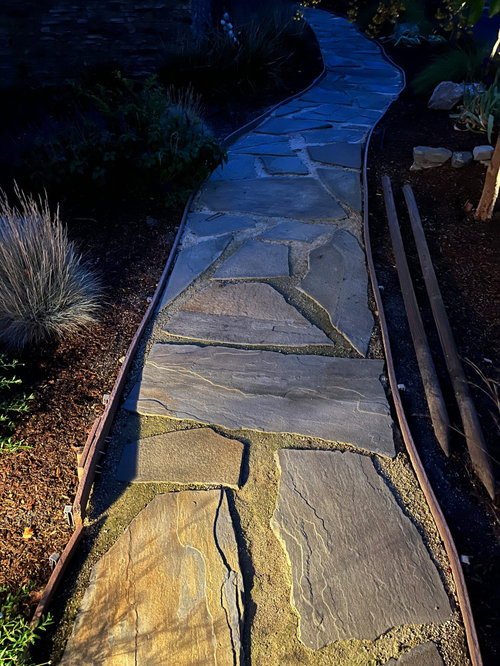
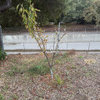
Hi all, we installed bender board around our house/garden last year to separate a DG pathway from mulch/planting areas, and the bender board has warped, shifted, and looks horrible. My gardener suggested tearing it out and letting the mulch and DG areas bleed into each other a bit.


Before I tear out the bender board, I'm curious what others think and/or if you have any suggestions to maintain a border without it. I'm worried about the sand and mulch blending and looking messy.


(apologies for the dark image, but you can see all the warping, breaking, uneveness occurring)


Comments (21)

  • PRO
    2 years ago

    The only long term solution is edging stone, or lose the mulch for stones.

  • 2 years ago
    last modified: 2 years ago


  • 2 years ago

    I wonder if its the kind of benderboard you have? I say that because the type we have bordering pavers in the front yard and river rock with concrete pads in backyard are holding up fine after years of use. They are solid plastic and black, I dont know if they come in other colors.

  • PRO
    2 years ago

    Switch to metal. Much more sturdy.

  • 2 years ago

    " The only long term solution is edging stone, or lose the mulch for stones. "

    That's not at all true!! There are all manner of flexible or rigid edging solutions. Bender board tends to be one of the least expensive options and that contributes to its breakage and deterioration over time.

    Replacing an edging system after the fact is not ideal but doable, although you may opt for an experienced landscape contractor's intervention rather than leaving it all to DIY efforts. Materials are often easier to access give the LC's contacts as well.

  • 2 years ago

    So in this instance do uou suggest i keep the edging but opt for a different material? or renove it conpletely and go for more of a natural look?

  • 2 years ago
    last modified: 2 years ago

    so in this instance do you all suggest taking it out completely and going with more of a natural look or replacing with metal or stone? i originally didn’t go with either because of the cost… I’d need hundreds of feet.

  • 2 years ago

    It is your choice of course but not having the base material of the pathway restrained by edging, it will eventually migrate to the neighboring areas and make the pathway unstable. At some point in time the entire pathway will need to be redone......at a significant cost. btw, metal edging will be far less expensive than any stone or masonry product.

  • 2 years ago

    The bender board and protruding edging blocks create a tripping hazard. It is all too easy to trip and fall backwards if you are working in the garden near the walkway. If you were to use edging blocks, lay them so their surface is level with the existing pathway and then bring the mulch of the planting area level with that. I think that would be the nicest-looking solution. If you want something less expensive, you could use a no-dig low plastic edging -- something that's 1 1/2 inches high (I have used the Vigoro product) -- although you'd have do some digging to get the edging tucked under the stones and secured. It's a bit difficult with an already-existing pathway. The main thing is to avoid any tripping hazard.

  • PRO
    2 years ago
    last modified: 2 years ago

    I find in heavy rain, that mulch will go up and

    over any pliable retainer.

    The sidewalk itself looks rather hazardous in anything but daylight and flip flops: Getting a sunken pliable anything into the ground after the fact? Aurrggghhhhh.

  • 2 years ago
    last modified: 2 years ago

    I installed this diy Corten steel system about 7 years ago to control mulch and dirt. You need to be careful bending it to get your radiuses but it looks great once it begins to rust. It's about $130 for 20 feet.


  • 2 years ago
    last modified: 2 years ago

    We used steel edging years ago and it wears really well - we sourced it from a local landscaping company (the type where you buy much or rock by the ton) and it was surprisingly affordable


  • 2 years ago

    The walk way and benderboard should be in a synergistic relationship. This walkway is competing with the benderboard. proper preparation of the walkway will support the benderboard, it is not the benderboard’s function to support the walkway.

  • 2 years ago

    I would remove it and let the edges merge for a more natural look. The edges of a flagstone path should be as irregular as the stones themselves. It looks like a lovely path. If you want a walk instead of a path, you'll have to do something else.

  • PRO
    2 years ago

    I prefer Belgian block to any of the metal edging materials, but it's expensive, so perhaps only use it on the walkways.


  • 2 years ago
    last modified: 2 years ago

    I am a total NON-expert on this but I have encountered similar problems. With concrete pavers, I stabilized them by burying V-shaped metal stakes just below grade that prevented the 2” thick concrete pavers on the edges from shifting. This was on a slope of clay soil and worked for the most part.

    So if I were to do it again, knowing ONLY what I know now, I would edge the walkway with the thickest concrete pavers I could find that worked with the design, then trap them in place with long V-shaped metal stakes. I found a good deal on Amazon last time I bought the stakes.

    That being said, I had great luck installing a paver pathway in a bed of 1/2” granite rocks. It was a 20 year old bed of granite rocks, so it had settled well over clay soil. That path didn’t budge. No concrete or polymer, just sand in the crevices.

    For my porch step landing at my current home, I bought retaining wall blocks that are 4” thick, since I have to raise the landing and grade anyway. The soil here is sandy loam, not clay. I won’t use the metal stakes for that project. But there will be weird crevices between the angled blocks. I suppose if they were perfect extruded rectangles, it might look better. So if you could find thick blocks that went with the flagstone to use for edging, that might be a possibility. Maybe rumblestone, if that’s what it’s called?

    https://www.lowes.com/pd/Tumbled-Retaining-Wall-Gray-Charcoal-Retaining-Wall-Block-Common-4-in-x-12-in-Actual-4-in-x-12-in/1002097496


  • 2 years ago

    Interesting comments from those who apparently have no first hand experience with the landscaping industry :-)

    Basic masonry construction and landscaping protocols require some sort of edging for any ground laid paver or flagstone walkways, paths or patios. It is what holds the necessary base material in place and makes a firm setting for the pavers/stones. It can be paver or stone blocks or flexible or rigid edging but proper construction demands that it be in place. Without it, the base material will migrate or shift/spread into other areas and the entire walkway will become unstable. The plastic or metal edging is cheaper than stone, if that is a consideration....with the possible exception of the Corten

    And there is no "trip hazard" with a flagstone pathway unless one is disabled or sight impaired. They are dead common.

  • 2 years ago
    last modified: 2 years ago

    I’m leaning towards a discrete flexible border, possibly one of those that can be ’nailed’ into the ground and hidden between the materials. Ultimately I’m going for a more natural look so large stones or blocks (cost aside) might detract from that.

  • 2 years ago
    last modified: 2 years ago

    I found some options on google several years ago, but they were expensive. I had bent metal edging with the 1/2” granite gravel all over my previous yard, and was trying to stay away from that. I considered plastic edging but decided I didn’t want to look at it and it might break or deteriorate. Look for a product that acknowledges these problems and has figured out a way to address them.

  • 2 years ago

    The only trip hazard I see is the edging.

  • PRO
    2 years ago

    Check out henderson Garden supply they have lots of corten steel flexible bender .