Software
Houzz Logo Print
rewindtech

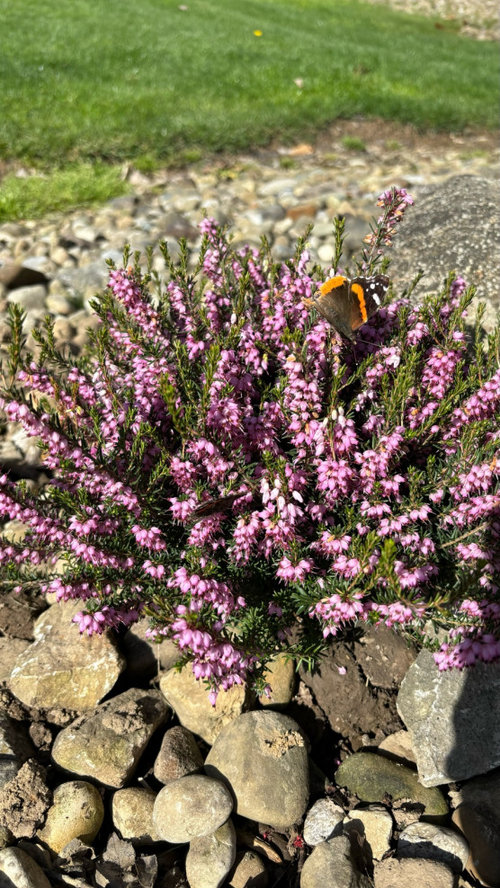
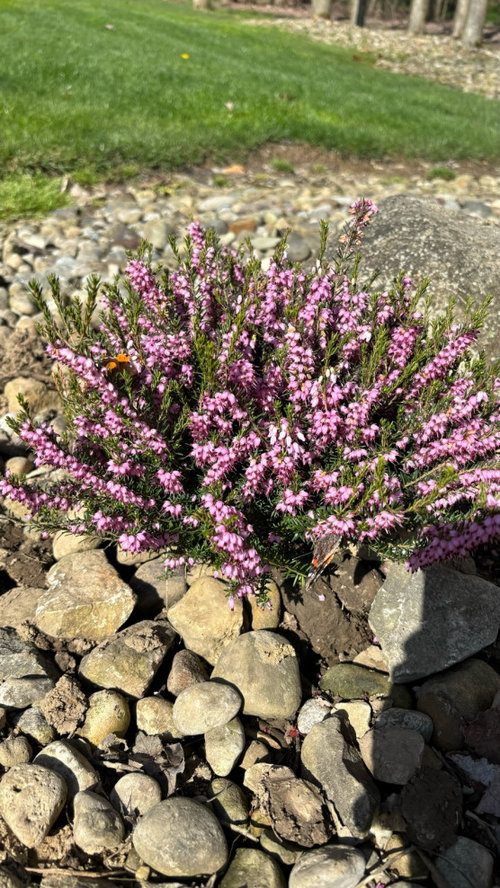
Winter Blooming Heath

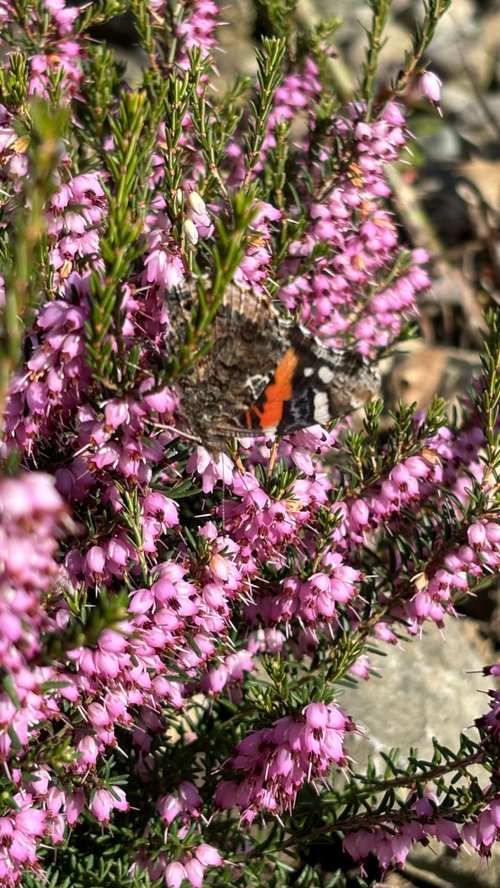
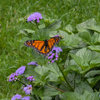
I just bought one of these wonderful shrubs at my local Lowe’s yesterday and it is safe to say that it is definitely a butterfly magnet! I found 2 butterflies this morning that couldn’t get enough of it! If you want a butterfly infested garden, plant this!

Comments (21)

  • 2 years ago

    They are in a somewhat drought area but I have a rose right next to it that doesn’t need water.

  • 2 years ago

    Ok, forgive me if this is a stupid question lol.... but why are they blooming now? Isn't kind of late? I've actually been considering winter heath and admittedly haven't looked too closely into them, but .... "winter"-blooming? LOL?


    Beautiful photo, Dave!

    :)

    Dee

  • 2 years ago

    They bloom from fall all the way into spring. They bloom basically all the time except summer

  • 2 years ago

    " They bloom from fall all the way into spring. They bloom basically all the time except summer "

    That maybe just a bit of an exaggeration :-) Depending on cultivar, they can be in bloom from November to May but most are in bloom December to April.

    This is heather and heath country, with the largest (and maybe the only remaining) heather specialty nursery in the country. Even here, the flowering period has a definitive end as soon as the weather starts to warm up.

    They need well drained, acidic soil and the occasional deep watering in summer. Young or newly planted plants cannot be allowed to dry out at all.

  • 2 years ago

    Lol, thanks for that info! And thanks for the details, gg. I was thinking of them for a small slope but the "drying out" part might be a non-starter, at least for now. Realistically I won't get around to watering new plants enough so perhaps I'll hold off. They are lovely though, and at least in my neck of the woods, rather unusual - I don't think I've really ever seen any. Maybe in the future....


    Thanks for the photos Henry!


    :)

    Dee

  • 2 years ago

    A long time ago, like at least 20 years ago, they were oddly popular here. My guess at the time was that one of the big boxes got in a truckload or three. They lasted longer than I expected, given our alkaline soil. If I tripped over cheap ones, I'd get some, but at this point, I'm not tripping over cheap anything :-(

  • 2 years ago

    Erica carnea, the winter flowering species, is slightly more tolerant of non acidic soils.

  • 2 years ago

    This is what I could find at my local garden center, it was decently cheap

  • 2 years ago
    last modified: 2 years ago

    Erica carnea is what you've got, Henry.

  • 2 years ago

    Actually, Henry's photo looks very much like Kramer's Rote, which is a cultivar of Erica x darleyensis and easily one of the most popular and longest blooming of the winter heaths.

  • 2 years ago

    It’s not I can assure you, they had Kramers rote at the garden center and it is not this, it is a Mediterranean pink

  • 2 years ago

    Med Pink is also a cultivar of E. darleyensis. And looks very similar to Kramer's Rote but perhaps not quite so intensely colored.

  • 2 years ago

    Henry, it may not happen most winters at your location, but Erica could have hardiness issues when the temp dips much below 0F if it's on an exposed site. See this old thread from the Heaths and Heathers forum: Winter damage in the northeast

  • 2 years ago

    It is against a rock on the south side of the house

  • 2 years ago

    Also, I have no problem protecting it with frost cloth if the temp gets below -5 to -10

  • 7 months ago

    A little update/revival of this thread, but it almost died in this spot, I had to transfer it to my garden bed which has better soil, the roots are a bit exposed to the cold but it seems to be doing fine, it survived -12F in the ground with no protection whatsoever. Just snow cover. Highly recommend these as a solid zone 6 and maybe even zone 5 winter blooming evergreen shrub.

  • 7 months ago

    I hate to add further complexity it to this thread...but I have seen 'Mediterranean Pink' plants marketed that definitely look more like a 'Darley Dale' E. × darleyensis and others that I'm absolutely sure are just a pink cultivar of Erica carnea, which is a little hardier. So I suspect it has just become a marketing name that wholesalers stick on a tag to mean "a pink flowering winter heath". This cultivar name's origin is somewhat mysterious - on the old Heather Society website, there was never a variety with that name. It was clearly a renaming of one of the UK-named varieties. They did the same thing to create 'Mediterranean White'.


    I'm not aware of how they are formally separated in Erica taxonomy, I just know that Darley heaths get larger...and that it's a little less hardy. So if yours survived '-12F with no protection', until proven otherwise, I'm going to assume it's an E. carnea. Because that would have killed most Darley heaths.


    FWIW the ones in Dave's picture definitely look like Darley heath.

  • 7 months ago

    Mine has gotten extremely large, I bought another of a different variety of the same hybrid (forgot the name of the cultivar) and it also survived that winter. Granted, I’m sure our heavy lake effect snow cover helped a bit.

  • 6 months ago

    I will obviously have to do a real damage report later, but FWIW there's been just enough melting to start to see the tops of 'Kramer's Rote' and another Darley heath with green leaves, I'm pretty sure it's Erica 'Ghost Hills'. The Ghost Hills is looking a lot better. This could be a case, as happens with Cordylines and Phormiums, where reddish foliaged forms are a little less hardy. I lost my prior 'Kramer's Rote' in one of the polar vortex winters, probably the first. The temps didn't drop below 0F, but it was covered with snow and subjected to very cold temps for a month. It wasn't quite as well established as this one...fingers crossed it makes it.


    I think the brittle stems of all Ericas make them prone to the plant dehydrating because the stems get snapped and damaged by heavy snow. - I've lost veitchiis and arborea alpinas in relatively mild winters.


  • 6 months ago

    We got close to negative ten and to negative ten multiple times this winter. I’m curious to see how it fares after this winter of hell.