

Pruning a Japanese Maple
2 years ago
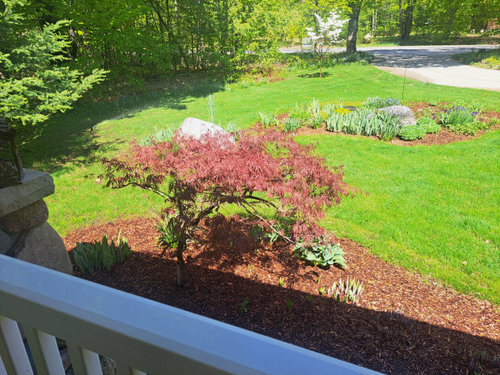
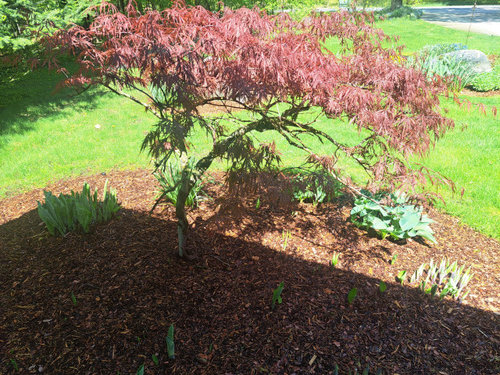
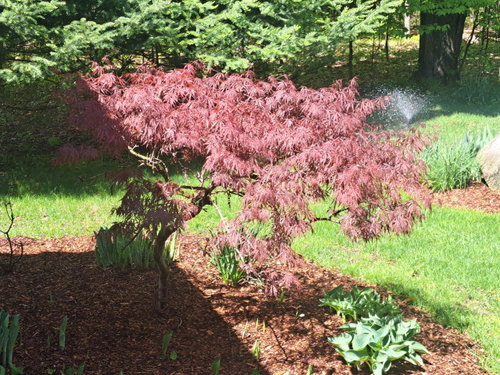
Featured Answer
Sort by:Oldest
Comments (7)
 2 years ago
Related Professionals
Concord Landscape Architects & Landscape Designers · Durango Landscape Architects & Landscape Designers · Edmonton Landscape Architects & Landscape Designers · Plainfield Landscape Contractors · Platteville Landscape Contractors · Concord Landscape Contractors · Salisbury Home Builders · Woodward Home Builders · St. Louis Landscape Architects & Landscape Designers · Rochester Landscape Architects & Landscape Designers · Toronto Landscape Architects & Landscape Designers · Bartlesville Landscape Contractors · Rochester Landscape Contractors · Nashua Landscape Contractors · Worcester Basement Remodeling- 2 years ago
- 2 years ago
- 2 years ago
- 2 years ago
- 2 years ago
Related Stories
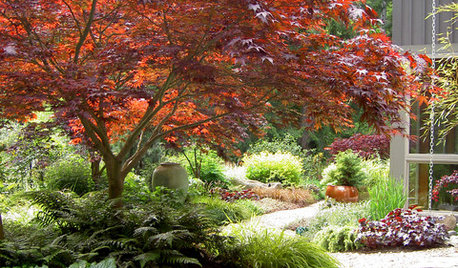
TREES11 Japanese Maples for Breathtaking Color and Form
With such a wide range to choose from, there’s a beautiful Japanese maple to suit almost any setting
Full Story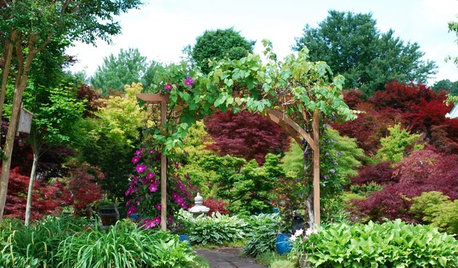
GARDENING GUIDES12 Japanese Maples for a Sunny Garden
The right maple in the right place shines in hot summer sun
Full Story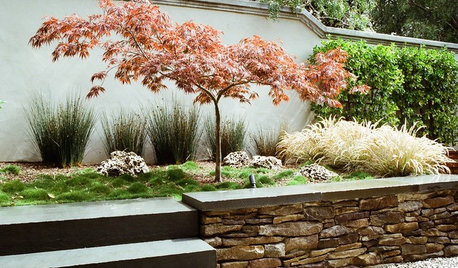
GARDENING AND LANDSCAPINGGreat Design Tree: Japanese Maple
Lacy form and fiery fall color make Japanese maple a welcome tree for garden or patio
Full Story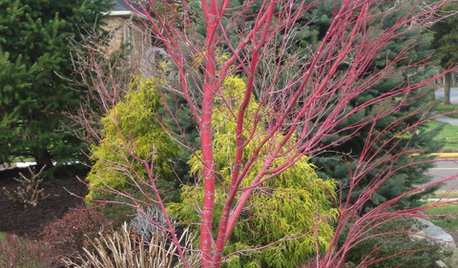
TREESGreat Design Plant: Coral Bark Japanese Maple, a Winter Standout
Go for garden gusto during the chilly season with the fiery red stems of this unusual Japanese maple
Full Story
GARDENING GUIDES13 Japanese Maples for Shade
A surprising variety of these understory trees is waiting to make a statement in your shade garden
Full Story
GARDENING GUIDESHow to Prune Your Flowering Shrubs for the Best Blooms
Less is often more when it comes to properly pruning flowering shrubs. Here’s what to do and why
Full Story
GARDENING GUIDES5 Amazing Small Maple Trees
There's more to maples than syrup. Expand your maple milieu with any of these 5 small and unusual trees
Full Story
GARDENING GUIDESGreat Design Plant: Paperbark Maple
With fall foliage like a sunset and bark the color of cinnamon, this tree is a highlight of the landscape
Full Story
LANDSCAPE DESIGNGreat Design Plant: Vine Maple
Exciting year-round color and adaptability make this highly ornamental native small tree a top choice for home gardens
Full Story
PATIOSBackyard Ideas: Writer's Studio and a Japanese-Inspired Garden
A nearby Japanese garden inspires a feature-packed backyard and studio for a work-from-home Portland writer
Full Story
gardengal48 (PNW Z8/9)