

Growing an aprium from seed
last year


Sort by:Oldest
Comments (4)
Related Stories
NATIVE PLANTSHow to Grow a Garden From Seed
Planting grasses and flowers from seed is economical, minimizes garden maintenance and benefits local wildlife
Full Story
CONTAINER GARDENS8 Easy Container Plants to Grow From Seed
Get beautiful blooms and herbs in summer by starting these choice garden picks from seed in spring
Full Story
GARDENING GUIDESHow to Plant a New Lawn From Seed
Choose from more grass varieties and save money over sod by starting your lawn from seed
Full Story
PETSProtecting Your Pet From Your Yard and Your Yard From Your Pet
Check out these tricks from vets and landscape designers for keeping your pets and plantings safe in the backyard
Full Story
WINTER GARDENINGExtend Your Growing Season With a Cold Frame in the Garden
If the sun's shining, it might be time to sow seeds under glass to transplant or harvest
Full Story
MOST POPULARSummer Crops: How to Grow Sunflowers
Savor snack-tastic sunflower seeds once the radiant blooms have faded — if the birds have saved you any, that is
Full Story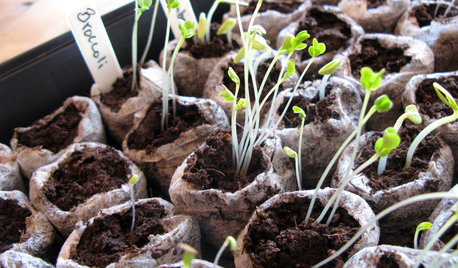
WINTER GARDENINGYour Essential Seed-Starting Glossary
Before starting plants from seed indoors, learn these common horticulture terms
Full Story
GARDENING GUIDESSeeds or Seedlings? How to Get Your Garden Started
Growing delicious herbs and vegetables starts with knowing your goals and when you want to plant
Full Story
GARDENING GUIDESHow the Little Act of Saving Seeds Can Make a Big Difference
This year, grow an heirloom variety in your garden, save the seeds and play a small part in preserving plant diversity
Full Story
GARDENING FOR BUTTERFLIESGreat Design Plant: Columbine Grows Happily in Shade and Sun
Its ethereal beauty comes from complex forms and wide-ranging colors, but columbine’s benefits are highly attractive too
Full Story
Sponsored
chadinlg Zone 9b Los Gatos CA
socalnolympiaOriginal Author
Related Professionals
Macon Landscape Architects & Landscape Designers · Kansas City Landscape Contractors · Willmar Architects & Building Designers · Dubuque Landscape Architects & Landscape Designers · Kahului Landscape Architects & Landscape Designers · Vancouver Landscape Architects & Landscape Designers · Salisbury Landscape Contractors · Hudson Landscape Contractors · Bridgeport Landscape Contractors · Missoula Landscape Contractors · Westminster Flooring Contractors · Toms River Landscape Architects & Landscape Designers · Eau Claire Landscape Architects & Landscape Designers · Leominster Landscape Contractors · Saint Cloud Home Additionsfloral_uk z.8/9 SW UK
socalnolympiaOriginal Author