

Feather pillows
last month
Sort by:Oldest
Comments (4)
Related Stories
DECORATING GUIDESOn Trend: Feather Decor Makes Rooms Soar
Bring lightness and a breath of nature to your walls and home decor with feather art, accessories and wall treatments
Full Story
SHOP HOUZZShop Houzz: Feather Your Farmhouse Nest
Furniture and bedding for distinctive farmhouse comfort in the bedroom
Full Story
LIVING ROOMSRoom of the Day: Time to Feather an Empty Nest
This stylish living room update reflects a couple’s new chapter in life
Full Story
BEDROOMSHow to Choose the Perfect Bed Pillow — and Sleep Better
Wake up saying 'Ahhhh' instead of 'Ow' with a pillow that provides all the support and comfort you need
Full Story
DECORATING GUIDESThe Secret Formula for Perfect Pillow Arrangements
For a polished look on sofas and beds every time, keep this simple ratio for pillow arranging in mind
Full Story
DECORATING GUIDES9 Pointers for Perfectly Styled Pillows
If your bed is awash in an endless pillow sea, or your couch's bolster is deflated with loneliness, these guidelines are tailor made for you
Full Story
DIY PROJECTSMake a Designer-Look Pillow Sham for $15
Give a sofa or chair a high-end touch with a low-cost sham made to your exact taste
Full Story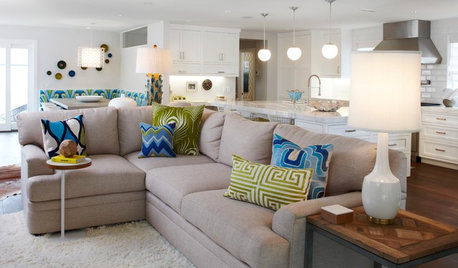
DECORATING GUIDESHow to Get Your Accent Pillows Right
Weekend Project: Pull your living room together with the perfect combination of decorative pillows
Full Story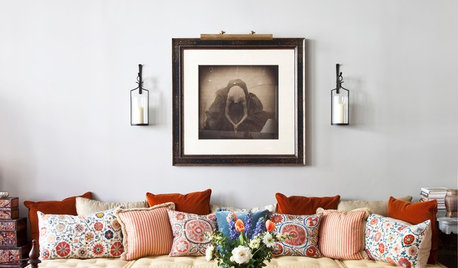
DECORATING GUIDESPillow Talk: Learn the Lingo of Cushions
Don't get boxed in between just square and round — get to know the wider world of cushion options for padding for your pad
Full Story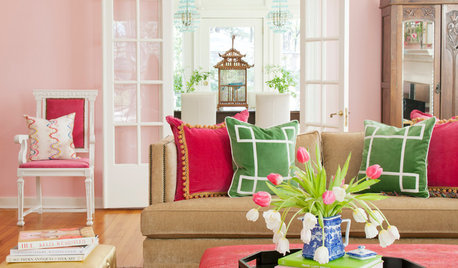
COLORColor Commitment Issues? Just Throw In a Pillow
You don't need to go big or permanent to go bold with color in your rooms; you only need to master the easy art of the toss
Full Story


porkchop_z5b_MI
msphouse
Related Professionals
Sugar Land Home Stagers · Vincennes Custom Closet Designers · Southaven Custom Closet Designers · Georgetown Custom Closet Designers · Rockford Custom Closet Designers · Stamford Interior Designers & Decorators · Lafayette Interior Designers & Decorators · Evanston Interior Designers & Decorators · Lawrenceburg Interior Designers & Decorators · Pine Bluff Architects & Building Designers · Bartlesville Architects & Building Designers · Fayetteville Kitchen & Bathroom Designers · New Bedford Kitchen & Bathroom Designers · Portland Kitchen & Bathroom Designers · Rochester Kitchen & Bathroom DesignersLyn Nielson
JAN MOYER