Software
Houzz Logo Print
the_veg

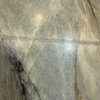
Hallway ceiling moldy

last month

We've been having a problem with light splotchy mold appearing on the ceiling nd the uppermost 1 foot or so of the walls in the central hallway of our house. The strangest thing about it is that after living here for ten years, this year is the first time it has happened and I can't figure out why it has appeared this year and not before.


More details:

The house was built in 1972, located in the northern 'burbs of Atlanta, and has slab hardwood floors throughout.


This isn't a large hallway, no more than 40 inches wide, L-shaped with about 16 feet the long way and about 4 feet the short way, 8-foot ceiling. It's in the middle of the bedroom-end of the house, with three bedrooms around the long end and a full bath off the end of the L, and the L-end connects to a short hall-stub that joins with the living room, wet-bar, door to basement, and foyer.


The hallway has a pull-down door for the attic at the long end, and then just after that as you move toward the L there is a full-house fan, which has metal louvers that stay shut unless the fan is running, and it only gets run on exceptionally rare occasions- basically we only run it if we need to clear smoke (kitchen or fireplace oopsies) or an odor from the house. There is a linen closet on the long end and there is a small closet on the L that is mainly used for cleaning supplies.


The bedrooms: only one (master) is inhabited as our family consists of two humans and two cats. One of the other bedrooms is basically just a storage-space/music room and the other is supposed to be a guest-room but is also where the litter boxes live so nobody has slept in in for several years. That room does have an air-filter


Ventilation: The house has central air conditioning. All the vents and return-registers are down low, just above baseboard level. There are no fresh-air vents in the hallway but it does have one return-register about halfway along the long end, on the side that doesn't have the L, and it's double-sided so it also serves the bedroom on the other side of the wall. None of the doors to the hallway are ever closed for very long, the bedroom doors almost never and the bathroom door not for longer than it takes to have a shower, which happens no more than once a day. Both bathrooms have fairly recent fans that do a great job, we run them for about twenty minutes after showering and there is no mold in the bathrooms. None anywhere else either for that matter.


Moisture: no intrusion that I know of, and the roof is only three years old and doing a great job. The attic has louver-vents at each end and I have never seen any sign of mold in the attic. This is a humid region, but again, no problems until this year, not even when we DID have a leak before the roof was replaced.


And again, what's the difference that made the mold appear this year and not before?


After some attempts at cleaning it I can see that once the problem gets solved I'll need to repaint the ceiling and walls, but obviously I don't want to do that UNTIL I know the problem has been solved.


What seems like the best idea is to install a ceiling-fan in the hallway, but that also feels like a 'band-aid' because it doesn't address whatever changed to cause the mold to grow.


Anybody have any ideas?

Comments (10)

  • last month

    Thanks Sigrid and we've actually had a very dry summer this year at least in terms of precipitation.

  • last month

    You need to get a hygrometer and check what the humidity is in your home. Dry as far as precipitation is different then high humidity.

  • PRO
    last month

    Since your summer was dry, I would want to rule out a slow hidden leak before assuming it is just humidity. Take a look in the attic right above that hallway after a rain and check for damp insulation or stains on the roof deck. A cheap pin moisture meter pressed against the ceiling will also tell you if the drywall is still actively wet. If both come back clean, then it is just surface mildew and the humidity fix will do the trick.

  • last month

    Would need to see pictures to see the extent. A water leak most likely shows on the ceiling, not the walls, and has a very distinct pattern compared to being caused from moisture.

    It isn't important about the rooms on the hallway, but the attic. Like whether the HVAC unit and supply ducts are there (first said slab, but also basement), whether you have storage, whether you have enough insulation, whether you have enough passive attic ventilation, whether the bath exhausts discharge outside. Also unclear description about return vents (reads as only 1 but a transfer grille).

  • PRO
    15 days ago

    Mold that appears for the first time on a ceiling and the top foot of the walls usually means moisture is reaching the assembly from the attic side or from a cold surface, not that the air alone changed. Because the hallway return sits low and the full-house fan louvers stay shut, check whether the ceiling drywall feels cool on a humid morning and whether the attic insulation above the hall is damp or stained. Place a hygrometer in the hall and one in the master bedroom for a week, since readings that stay above about 60 percent relative humidity are when mold tends to start on painted drywall. Before repainting, wipe the spots with a detergent solution, let everything dry fully, and use a stain-blocking primer so the marks do not bleed through. If the readings stay high even with the bath fans running longer, testing a dehumidifier or a better attic vent path is the next step.

  • 11 days ago

    AC ducts have started sweating because insulation was knocked off. There will not be a problem during Winter but look-out when Summer gets there. N-E-X-T

  • 6 days ago

    Hey all,

    Thanks for the responses! I've been very busy with other things for several weeks but now it's cooler here so my next worry is that taking any readings anytime soon will be moot since the problem arose during warmer weather. For those who suggested it, there are no ducts in the attic. The attic ventilation consists of a ridge-vent the whole length of the roof plus a typical triangular gable-louver at either end. I doubt that the ridge-vent is blocked to any significant degree as it was new with the rest of the roof three years ago.

    The attic does now seem more suspect as I've seen some small traces of the mold in another room now, right next to an area where there is a gap where the ceiling appears to have risen away from the crown moulding and the moldy traces look like they were blown from the gap (directional streaks)

    No signs on the ceiling of any liquid water intrusion- having a problem with that a few years ago led to the new roof but no issues in the years between the new roof and this year. We've been in a drought for most of this year and the summer humidity wasn't unusually high.

  • 6 days ago

    Eeeesssh, not unusually high humidity in Ga be light mist in de mid-wess states. Fack is it so foggy it hawd cee wut going on frum thosand miles way ova hea. Stik yo head upin attic cee wut happing.

  • PRO
    6 days ago

    If the streaks fan out from that gap, attic air is probably being pushed down into the room, so look at the roof deck and insulation directly above both spots for dark staining or dampness. Cool weather is no reason to wait, since staining stays visible, and with traces in a second room it is worth having a mold inspector read moisture levels in the attic and at the gap before any repainting. For that kind of check, HelpMeNow.com can connect you with a vetted local mold pro.