

Radiant heating vs. Electric baseboard heating for Basement
12 years ago
Featured Answer
Sort by:Oldest
Comments (7)
- 12 years ago
Related Professionals
Aberdeen Interior Designers & Decorators · Woodward Interior Designers & Decorators · Orangeburg Interior Designers & Decorators · Evanston Interior Designers & Decorators · Nashua Architects & Building Designers · Bridgeport Architects & Building Designers · San Diego Architects & Building Designers · Saint George Architects & Building Designers · Wenatchee Architects & Building Designers · Cheyenne Architects & Building Designers · Selma Kitchen & Bathroom Designers · Washington Kitchen & Bathroom Designers · Middlesboro Kitchen & Bathroom Designers · Middletown Kitchen & Bathroom Designers · Platteville Kitchen & Bathroom Designers PRO12 years ago
- PRO12 years ago
 PRO12 years ago
 PRO10 years ago
- 7 years agolast modified: 7 years ago

Related Stories
GREAT HOME PROJECTSHow to Add a Radiant Heat System
Enjoy comfy, consistent temperatures and maybe even energy savings with hydronic heating and cooling
Full Story
FLOORSIs Radiant Heating or Cooling Right for You?
Questions to ask before you go for one of these temperature systems in your floors or walls (yes, walls)
Full Story
FLOORSFloors Warm Up to Radiant Heat
Toasty toes and money saved are just two benefits of radiant heat under your concrete, wood or tile floors
Full Story
FLOORSWhat to Ask When Considering Heated Floors
These questions can help you decide if radiant floor heating is right for you — and what your options are
Full Story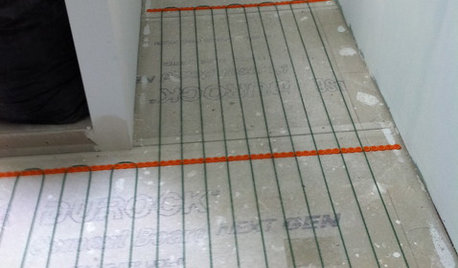
BATHROOM DESIGNWarm Up Your Bathroom With Heated Floors
If your bathroom floor is leaving you cold, try warming up to an electric heating system
Full StoryGREEN BUILDINGInsulation Basics: Heat, R-Value and the Building Envelope
Learn how heat moves through a home and the materials that can stop it, to make sure your insulation is as effective as you think
Full Story
REMODELING GUIDESClean-Burning Woodstoves Ignite a Greener Heating Trend
No need to rely on oil or gas to heat your home — new woodstove designs burn cleanly and are beautiful to boot
Full Story
HOUSEKEEPING5 Steps to Improve Your Heating System Now
Increase your heater's efficiency and safety for lower energy bills and greater peace of mind this winter
Full Story
GREEN BUILDINGHouzz Tour: Passive House in Vermont Slashes Heating Bills
Its ecofriendly, low-maintenance design leaves a family with more time to relax and enjoy the weekend home
Full Story
GARDENING AND LANDSCAPING3 Ways to Bring the Heat to Outdoor Living Spaces
Here’s what to know about surviving winter’s bite with an outdoor fireplace, fire pit or heat lamp
Full Story

Dytecture