

10 Golden Rules for a Successful First Response
Follow this advice when responding to initial requests to win trust and land the job

In the competitive world of home design and construction, first impressions are often crucial. Whether you’re a seasoned or beginning home professional, how you respond to a potential client’s first request can make all the difference. Here are the key elements to ensure you score points from the start and increase your chances of landing the project.


2. Personalization: Show That You Care
Personalizing your response is crucial to creating a connection with your potential client. Consider a couple looking to renovate the living room of their country house into a modern and warm space, with a preference for wood and large bay windows.
A generic response would miss these important details. Conversely, a personalized response could be: “I have carefully read your renovation request and am excited by your vision of a modern and warm space, with wood and large bay windows. I recently completed a similar project, incorporating exposed oak beams and floor-to-ceiling windows, which resulted in a beautiful and welcoming result.”
This approach demonstrates your careful reading and your ability to connect with your experience, inspiring trust and demonstrating your expertise. Personalization can include targeted questions: “Do you have a particular wood species in mind? I would be happy to explore options with you that would suit your space.”
To streamline this process, create a response template with customizable sections, allowing for consistent communication while adapting to each customer’s specific needs. Houzz Pro CRM software offers message templates or lets you design your own.
How to Identify Your Ideal Clients
Personalizing your response is crucial to creating a connection with your potential client. Consider a couple looking to renovate the living room of their country house into a modern and warm space, with a preference for wood and large bay windows.
A generic response would miss these important details. Conversely, a personalized response could be: “I have carefully read your renovation request and am excited by your vision of a modern and warm space, with wood and large bay windows. I recently completed a similar project, incorporating exposed oak beams and floor-to-ceiling windows, which resulted in a beautiful and welcoming result.”
This approach demonstrates your careful reading and your ability to connect with your experience, inspiring trust and demonstrating your expertise. Personalization can include targeted questions: “Do you have a particular wood species in mind? I would be happy to explore options with you that would suit your space.”
To streamline this process, create a response template with customizable sections, allowing for consistent communication while adapting to each customer’s specific needs. Houzz Pro CRM software offers message templates or lets you design your own.
How to Identify Your Ideal Clients

3. Professionalism: Pay Attention to Form as Much as Content
Professionalism in your written communication is just as important as the quality of your work. Impeccable spelling, careful formatting and a courteous tone are essential to projecting a positive image of your business.
Imagine a scenario where a potential client, a marketing director at a large corporation, contacts you regarding the renovation of their home office. A response ridden with spelling or grammatical errors could seriously undermine their confidence in your professional skills, even if your technical skills are excellent.
A professional response should include several key elements: an appropriate salutation, a clear and structured main message, an engaging conclusion and a complete professional signature. The latter should include your name, title, contact information and links to your professional website or social media channels.
Using a spell checker and systematically proofreading your messages before sending are essential habits to adopt. Also pay attention to the layout: well-spaced paragraphs, a professional font and an appropriate text size help to reinforce your brand image. In addition, a professional email signature including your logo (if you have one), your full contact details and links to your online presence reinforces your credibility and makes it easier for the customer to contact you.
Professionalism in your written communication is just as important as the quality of your work. Impeccable spelling, careful formatting and a courteous tone are essential to projecting a positive image of your business.
Imagine a scenario where a potential client, a marketing director at a large corporation, contacts you regarding the renovation of their home office. A response ridden with spelling or grammatical errors could seriously undermine their confidence in your professional skills, even if your technical skills are excellent.
A professional response should include several key elements: an appropriate salutation, a clear and structured main message, an engaging conclusion and a complete professional signature. The latter should include your name, title, contact information and links to your professional website or social media channels.
Using a spell checker and systematically proofreading your messages before sending are essential habits to adopt. Also pay attention to the layout: well-spaced paragraphs, a professional font and an appropriate text size help to reinforce your brand image. In addition, a professional email signature including your logo (if you have one), your full contact details and links to your online presence reinforces your credibility and makes it easier for the customer to contact you.

4. Expertise: Highlight Your Know-How
Demonstrating your expertise from the first contact while avoiding excessive self-promotion is crucial to gaining the customer’s trust.
Imagine a homeowner looking to renovate a kitchen in an older home with space and plumbing constraints. Instead of simply listing your qualifications, you could say, “I’m delighted to see that your kitchen renovation project presents exciting challenges. I recently worked on a Craftsman bungalow where we successfully integrated modern fixtures while preserving the original charm. We overcame similar issues with old plumbing and maximized storage in a limited space.”
This approach shows that you understand the customer’s specific needs and have the experience to overcome them. You can also mention relevant certifications. The goal is to reassure the homeowner of your ability to handle their specific project, while opening the door to a more in-depth discussion.
5 Ways to Attract the Clients and Projects You Want
Demonstrating your expertise from the first contact while avoiding excessive self-promotion is crucial to gaining the customer’s trust.
Imagine a homeowner looking to renovate a kitchen in an older home with space and plumbing constraints. Instead of simply listing your qualifications, you could say, “I’m delighted to see that your kitchen renovation project presents exciting challenges. I recently worked on a Craftsman bungalow where we successfully integrated modern fixtures while preserving the original charm. We overcame similar issues with old plumbing and maximized storage in a limited space.”
This approach shows that you understand the customer’s specific needs and have the experience to overcome them. You can also mention relevant certifications. The goal is to reassure the homeowner of your ability to handle their specific project, while opening the door to a more in-depth discussion.
5 Ways to Attract the Clients and Projects You Want
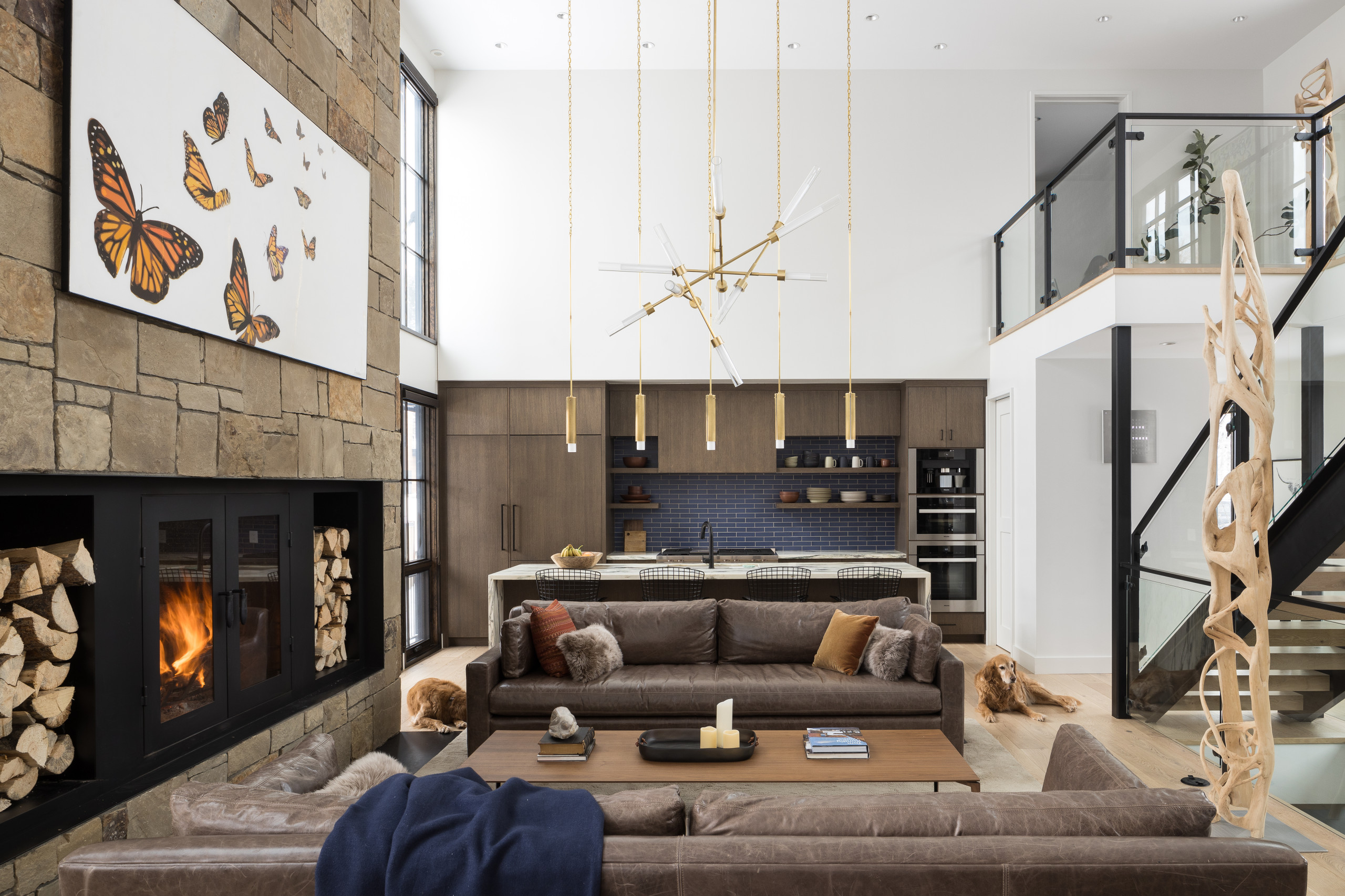
5. Empathy: Show You Understand the Issues
Home renovations are often important and emotional projects for homeowners. Showing that you understand their concerns and aspirations is crucial to building trust.
Imagine young parents who want to remodel their living room to make it both aesthetically pleasing and practical for their growing family. An empathetic response might be: “When I read about your project, I immediately think of the challenges of designing a family space. Having worked on several similar living rooms, I know it’s essential to create an environment where parents can relax in peace while the children play safely. For example, we could plan separate areas that flow naturally.”
This approach shows that you understand the emotional and practical issues of their project. If the client expresses concerns about noise and the length of the work, you could respond: “Noise is indeed an important issue, especially with children in the home.” To make this time easier for you, we can organize the noisiest work during daycare or school hours. Our team is used to working in occupied homes, and we will do our best to ensure this renovation goes smoothly.
This response demonstrates that you take their concerns seriously and are willing to offer appropriate solutions.
Home renovations are often important and emotional projects for homeowners. Showing that you understand their concerns and aspirations is crucial to building trust.
Imagine young parents who want to remodel their living room to make it both aesthetically pleasing and practical for their growing family. An empathetic response might be: “When I read about your project, I immediately think of the challenges of designing a family space. Having worked on several similar living rooms, I know it’s essential to create an environment where parents can relax in peace while the children play safely. For example, we could plan separate areas that flow naturally.”
This approach shows that you understand the emotional and practical issues of their project. If the client expresses concerns about noise and the length of the work, you could respond: “Noise is indeed an important issue, especially with children in the home.” To make this time easier for you, we can organize the noisiest work during daycare or school hours. Our team is used to working in occupied homes, and we will do our best to ensure this renovation goes smoothly.
This response demonstrates that you take their concerns seriously and are willing to offer appropriate solutions.

6. Clarity: Explain Your Process
Customers appreciate knowing what to expect, especially for a renovation project that can seem complex. A clear explanation of the steps reassures and demonstrates your professionalism.
Let’s say a homeowner wants to renovate their bathroom. Here’s how you could present your approach.
“I’d like to explore how we can work together on your bathroom transformation. Our collaboration is structured around six clearly defined phases.
1. The first meeting. We will meet at your home for about an hour and a half. This is a crucial moment where we discuss your wishes, examine the space, and take the necessary measurements. I can already give you some initial suggestions on site.
2. Project study. Within two weeks, I’ll prepare a detailed proposal with sketches and a precise estimate. I’ll take your budgetary constraints into account while respecting your aspirations.
3. Adjustment. We meet again to refine the proposal together. This is the time to make any necessary changes until the project is a perfect fit for you. This phase generally takes one to two weeks.
4. Planning. Once the project is approved, we establish a precise schedule, select materials and obtain the necessary permits. Allow two to three weeks for this important step.
5. Implementation. The work usually lasts three to fix weeks for a complete remodel. I personally supervise the construction site and keep you regularly informed of the progress.
6. Finalization. We conduct a detailed inspection together to ensure everything is perfect. I also provide you with a complete file with warranties and maintenance instructions.
Throughout these steps, I remain your primary contact, available to answer your questions and support you in this project.”
This structured presentation demonstrates your organization while reassuring the client about the progress of the project. It also helps establish realistic expectations in terms of deadlines and involvement.
15 Golden Rules for Client Presentations
Customers appreciate knowing what to expect, especially for a renovation project that can seem complex. A clear explanation of the steps reassures and demonstrates your professionalism.
Let’s say a homeowner wants to renovate their bathroom. Here’s how you could present your approach.
“I’d like to explore how we can work together on your bathroom transformation. Our collaboration is structured around six clearly defined phases.
1. The first meeting. We will meet at your home for about an hour and a half. This is a crucial moment where we discuss your wishes, examine the space, and take the necessary measurements. I can already give you some initial suggestions on site.
2. Project study. Within two weeks, I’ll prepare a detailed proposal with sketches and a precise estimate. I’ll take your budgetary constraints into account while respecting your aspirations.
3. Adjustment. We meet again to refine the proposal together. This is the time to make any necessary changes until the project is a perfect fit for you. This phase generally takes one to two weeks.
4. Planning. Once the project is approved, we establish a precise schedule, select materials and obtain the necessary permits. Allow two to three weeks for this important step.
5. Implementation. The work usually lasts three to fix weeks for a complete remodel. I personally supervise the construction site and keep you regularly informed of the progress.
6. Finalization. We conduct a detailed inspection together to ensure everything is perfect. I also provide you with a complete file with warranties and maintenance instructions.
Throughout these steps, I remain your primary contact, available to answer your questions and support you in this project.”
This structured presentation demonstrates your organization while reassuring the client about the progress of the project. It also helps establish realistic expectations in terms of deadlines and involvement.
15 Golden Rules for Client Presentations

7. Availability: Offer Concrete Options
Demonstrating your availability is essential, but it must be done in a structured way to facilitate the client’s decision-making and speed up the process. Rather than leaving the discussion about availability open and vague, offer concrete options.
For example, you could conclude your first response like this: “I would be really interested in learning more about your project and talking with you. To make our first meeting go smoothly, I can suggest several times next week.
This approach shows your commitment while remaining professional. It offers the client clear choices that make their decision easier. By offering different meeting options, you demonstrate your adaptability to the client’s needs.
If you use an online scheduling tool, you can add: “To make it easier for you to schedule an appointment, you can also view my availability and book the slot that suits you directly via this link.”
Learn how Houzz Pro CRM tools can help you manage your leads
Demonstrating your availability is essential, but it must be done in a structured way to facilitate the client’s decision-making and speed up the process. Rather than leaving the discussion about availability open and vague, offer concrete options.
For example, you could conclude your first response like this: “I would be really interested in learning more about your project and talking with you. To make our first meeting go smoothly, I can suggest several times next week.
- Tuesday morning, around 10 or 11 a.m., which would allow us to take the necessary time
- Thursday afternoon from 2 p.m., if you prefer
- Or Friday at the end of the day, after 5 p.m., if that fits better with your schedule.
This approach shows your commitment while remaining professional. It offers the client clear choices that make their decision easier. By offering different meeting options, you demonstrate your adaptability to the client’s needs.
If you use an online scheduling tool, you can add: “To make it easier for you to schedule an appointment, you can also view my availability and book the slot that suits you directly via this link.”
Learn how Houzz Pro CRM tools can help you manage your leads

8. Transparency: Address the Budget
Budget is often a delicate subject, but approaching it naturally from the start avoids misunderstandings and demonstrates your professionalism. The way you introduce this topic is essential.
Let’s imagine that a customer wants to renovate their kitchen without having discussed their budget. You could start the conversation like this: “ To best support you in your kitchen project, I would like to understand the investment you are planning. This will allow me to offer you solutions that truly meet your expectations. For example, for a kitchen of this size, our recent projects generally range from X to Y dollars, depending on the materials chosen and the desired level of equipment. What did you have in mind?”
If the client has already mentioned a budget, you could respond: “Your budget of “X dollars opens up great possibilities for your kitchen. Within this budget, for example, we could include quartz countertops, optimized storage and modern lighting. I can show you some similar projects to give you a concrete idea.”
This initial transparency creates trust and helps steer the project in the right direction from the start. It also shows that you know how to adapt to different budgets while maintaining a level of quality.
6 Questions to Ask at a First Client Consultation
Budget is often a delicate subject, but approaching it naturally from the start avoids misunderstandings and demonstrates your professionalism. The way you introduce this topic is essential.
Let’s imagine that a customer wants to renovate their kitchen without having discussed their budget. You could start the conversation like this: “ To best support you in your kitchen project, I would like to understand the investment you are planning. This will allow me to offer you solutions that truly meet your expectations. For example, for a kitchen of this size, our recent projects generally range from X to Y dollars, depending on the materials chosen and the desired level of equipment. What did you have in mind?”
If the client has already mentioned a budget, you could respond: “Your budget of “X dollars opens up great possibilities for your kitchen. Within this budget, for example, we could include quartz countertops, optimized storage and modern lighting. I can show you some similar projects to give you a concrete idea.”
This initial transparency creates trust and helps steer the project in the right direction from the start. It also shows that you know how to adapt to different budgets while maintaining a level of quality.
6 Questions to Ask at a First Client Consultation

9. Added Value: Share Your Expertise
From the very first exchange, you can demonstrate your expertise by sharing personalized and relevant advice. This constructive approach helps build trust.
For example, for a living room renovation project, you could say: “Looking at your living room and its south-facing orientation, I’m thinking about the importance of thermal comfort in the summer. I could show you several solutions we’ve implemented in similar configurations, such as a sunshade system that preserves light while regulating heat.”
You can also offer useful resources:
From the very first exchange, you can demonstrate your expertise by sharing personalized and relevant advice. This constructive approach helps build trust.
For example, for a living room renovation project, you could say: “Looking at your living room and its south-facing orientation, I’m thinking about the importance of thermal comfort in the summer. I could show you several solutions we’ve implemented in similar configurations, such as a sunshade system that preserves light while regulating heat.”
You can also offer useful resources:
- Short personalized maintenance guide
- Practical advice for preparing the site and minimizing inconvenience
- Recommendations to optimize the layout according to your lifestyle

10. Next Step: a Clear Invitation
Your first response should naturally invite further conversation. End your message with a concrete and concise proposal. For example: “ I look forward to discussing your project with you in more detail. Please do not hesitate to contact me if you have any questions. In any case, I will contact you early next week to arrange a meeting, either by phone, video or directly at your home, whichever you prefer. ”
Or, if you have already arranged an appointment: “ I look forward to meeting you on [date] at [time] to discuss your project further. In the meantime, do not hesitate to contact me if necessary. ”
The important thing is to remain concise, clear and proactive while giving the client the freedom to get back to you. The goal is to facilitate the initial contact and demonstrate your availability.
Delivering a successful first response to a potential client is an art that requires practice and finesse. By applying these 10 essential points, you’ll lay the foundation for a trusting relationship with your future customers. Balance is crucial: Your response must be professional to inspire trust, yet personalized enough to make the client feel special. Behind every request lies an important project for someone. Show that you’re the ideal partner to make it happen.
Don’t hesitate to adapt your approach based on client feedback and changes in the industry. Good communication remains your best asset for turning an initial contact into a successful collaboration.
More for Pros on Houzz
Read more stories for pros
Browse millions of photos for inspiration
Learn about Houzz Pro software
Talk with your peers in the Houzz Pro Forum
Your first response should naturally invite further conversation. End your message with a concrete and concise proposal. For example: “ I look forward to discussing your project with you in more detail. Please do not hesitate to contact me if you have any questions. In any case, I will contact you early next week to arrange a meeting, either by phone, video or directly at your home, whichever you prefer. ”
Or, if you have already arranged an appointment: “ I look forward to meeting you on [date] at [time] to discuss your project further. In the meantime, do not hesitate to contact me if necessary. ”
The important thing is to remain concise, clear and proactive while giving the client the freedom to get back to you. The goal is to facilitate the initial contact and demonstrate your availability.
Delivering a successful first response to a potential client is an art that requires practice and finesse. By applying these 10 essential points, you’ll lay the foundation for a trusting relationship with your future customers. Balance is crucial: Your response must be professional to inspire trust, yet personalized enough to make the client feel special. Behind every request lies an important project for someone. Show that you’re the ideal partner to make it happen.
Don’t hesitate to adapt your approach based on client feedback and changes in the industry. Good communication remains your best asset for turning an initial contact into a successful collaboration.
More for Pros on Houzz
Read more stories for pros
Browse millions of photos for inspiration
Learn about Houzz Pro software
Talk with your peers in the Houzz Pro Forum

Sponsored

In a fast-paced world, responsiveness is essential. Imagine a homeowner sending a quote request for their bathroom remodel on a Monday morning. They contact several professionals simultaneously, looking for quick answers to move their project forward. By responding within 24 hours, you immediately stand out from the competition.
This responsiveness demonstrates your availability, attentiveness and organization. Even without an immediate detailed quote, a personalized acknowledgment makes a difference. For example: “Hello, I have received your request regarding your bathroom renovation. Thank you for your interest. I will get back to you by Wednesday with a few questions to better understand your needs. Please let me know if you have any other information.”
This approach demonstrates your seriousness, while giving you the time needed to prepare a detailed response. It establishes a clear timeline, reassuring the customer that their project will be taken care of.
To ensure this responsiveness, set up an effective communication management system: smartphone notifications for new messages or dedicated time slots for replies. The goal is to balance responsiveness with efficient time management. With the Houzz Pro customer relationship management tool, for example, you can easily organize and track all your client contacts.
Learn about Houzz Pro all-in-one business software