

15 Golden Rules for Client Presentations
Get tips for communicating well with customers and inspiring confidence in your ideas

In the world of renovations, presenting a project to clients is a crucial step that can make the difference between a simple exchange of ideas and the realization of a shared vision. Whether you’re an architect, designer, contractor or builder, knowing how to effectively communicate your ideas is essential to gaining your customers’ trust and persuading them of the value of your proposal. Here are some essential elements to incorporate into your presentation to captivate your audience and transform your concepts into concrete projects.


3. Be Transparent About Budget
Budgeting is often a top concern for clients. Presenting a detailed and transparent budget is essential for building trust. Break down costs by item: materials, labor, miscellaneous expenses. This enables clients to understand where their money is going and avoid unpleasant surprises during the project. Also, offer alternative options for each item to show that you are flexible and attentive to their financial constraints. Good budget management can make all the difference in customer satisfaction.
4. Share Examples of Past Projects
Nothing speaks volumes like concrete achievements. Include case studies of previous projects similar to the one you are proposing. Show before-and-after photos, testimonials from satisfied clients and details of the challenges you have overcome. This demonstrates not only your expertise but also your ability to turn ideas into tangible results. Clients will feel reassured when they see examples of your work and realize you have a proven track record.
4 Easy Ways to Help Clients Understand Your Pricing
Budgeting is often a top concern for clients. Presenting a detailed and transparent budget is essential for building trust. Break down costs by item: materials, labor, miscellaneous expenses. This enables clients to understand where their money is going and avoid unpleasant surprises during the project. Also, offer alternative options for each item to show that you are flexible and attentive to their financial constraints. Good budget management can make all the difference in customer satisfaction.
4. Share Examples of Past Projects
Nothing speaks volumes like concrete achievements. Include case studies of previous projects similar to the one you are proposing. Show before-and-after photos, testimonials from satisfied clients and details of the challenges you have overcome. This demonstrates not only your expertise but also your ability to turn ideas into tangible results. Clients will feel reassured when they see examples of your work and realize you have a proven track record.
4 Easy Ways to Help Clients Understand Your Pricing
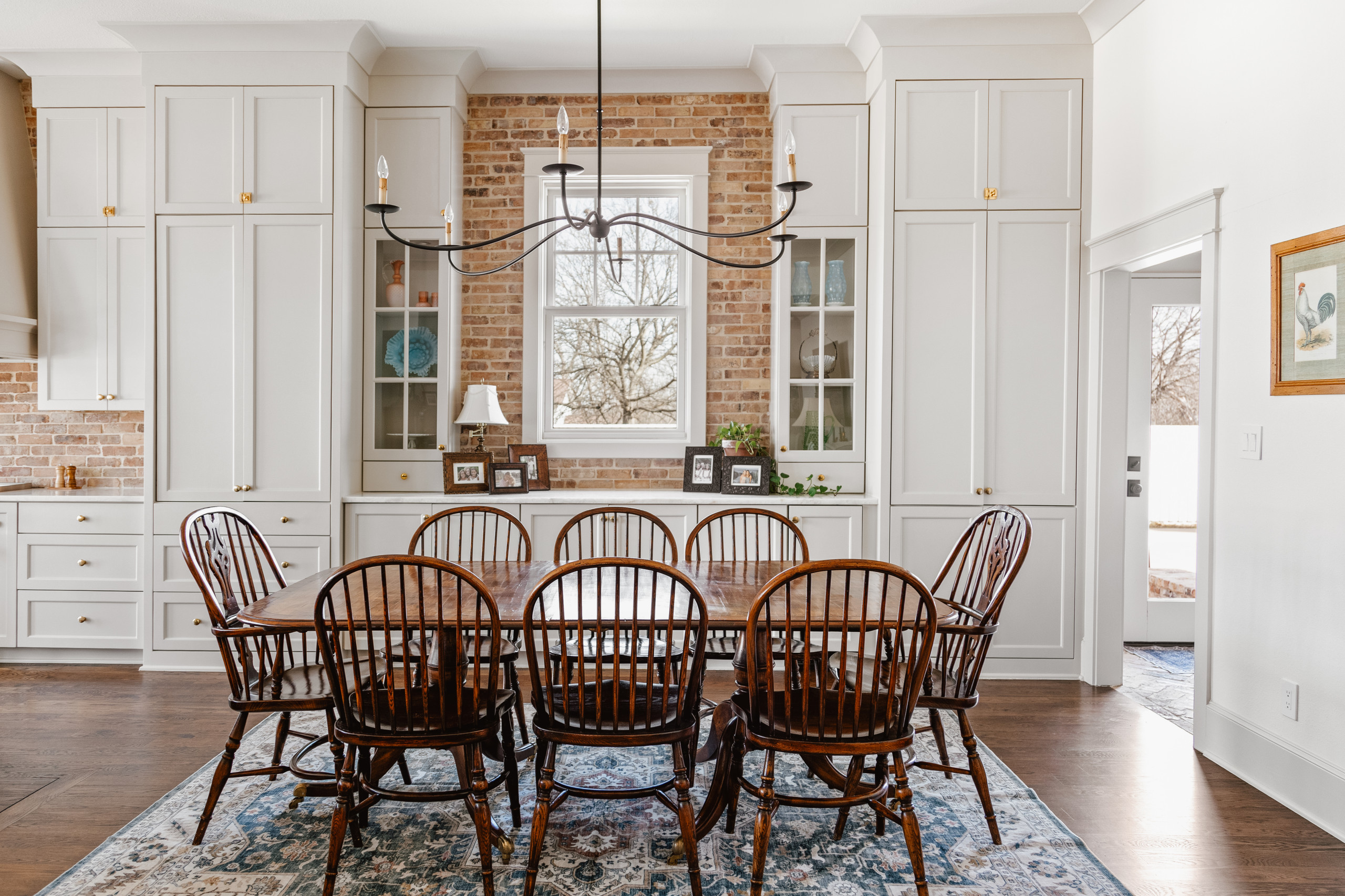
5. Take a Collaborative Approach
Presenting a project shouldn’t be a monologue. Encourage a collaborative approach by involving your clients in the process. Ask open-ended questions to gather their opinions and suggestions. Use augmented reality tools such as Houzz Pro’s Life-Sized Walkthroughs, to allow clients to explore different options. This interaction strengthens their commitment and gives them a sense of ownership over the project. They’ll be more likely to invest in a vision they helped shape.
6. Pay Attention to Detail
Details make all the difference in a presentation. Make sure your presentation is polished and professional. Use high-quality visual aids, whether digital presentations or printed brochures. Ensure consistency in your message, both visually and verbally. Everything from font choices to layout should reflect your professional identity and the style of the project. A well-designed presentation demonstrates your seriousness and commitment to the project.
6 Questions to Ask at a First Client Consultation
Presenting a project shouldn’t be a monologue. Encourage a collaborative approach by involving your clients in the process. Ask open-ended questions to gather their opinions and suggestions. Use augmented reality tools such as Houzz Pro’s Life-Sized Walkthroughs, to allow clients to explore different options. This interaction strengthens their commitment and gives them a sense of ownership over the project. They’ll be more likely to invest in a vision they helped shape.
6. Pay Attention to Detail
Details make all the difference in a presentation. Make sure your presentation is polished and professional. Use high-quality visual aids, whether digital presentations or printed brochures. Ensure consistency in your message, both visually and verbally. Everything from font choices to layout should reflect your professional identity and the style of the project. A well-designed presentation demonstrates your seriousness and commitment to the project.
6 Questions to Ask at a First Client Consultation
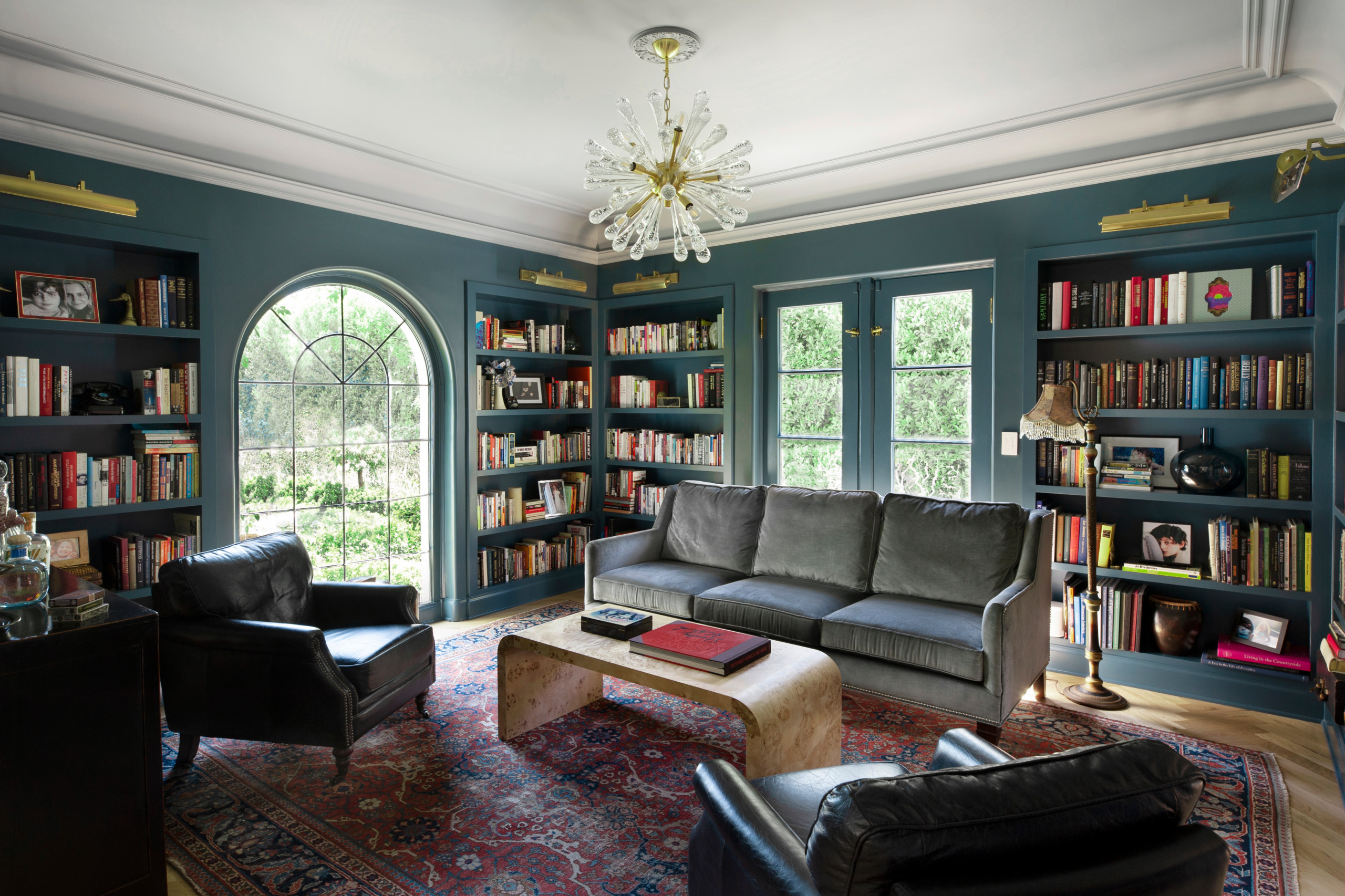
7. Understand the Importance of Storytelling
Telling a story around your project can captivate your clients. Explain how each element of the project contributes to an overall vision and how this addresses the clients’ specific needs. A well-crafted narrative can transform abstract concepts into an emotional experience, making the project more memorable and engaging.
8. Create the Right Atmosphere
The environment in which you present yourself can influence customer perceptions. Create a pleasant and professional atmosphere to put your clients at ease. A well-chosen setting can encourage open and positive communication.
10 Golden Rules for a Successful First Response
Telling a story around your project can captivate your clients. Explain how each element of the project contributes to an overall vision and how this addresses the clients’ specific needs. A well-crafted narrative can transform abstract concepts into an emotional experience, making the project more memorable and engaging.
8. Create the Right Atmosphere
The environment in which you present yourself can influence customer perceptions. Create a pleasant and professional atmosphere to put your clients at ease. A well-chosen setting can encourage open and positive communication.
10 Golden Rules for a Successful First Response
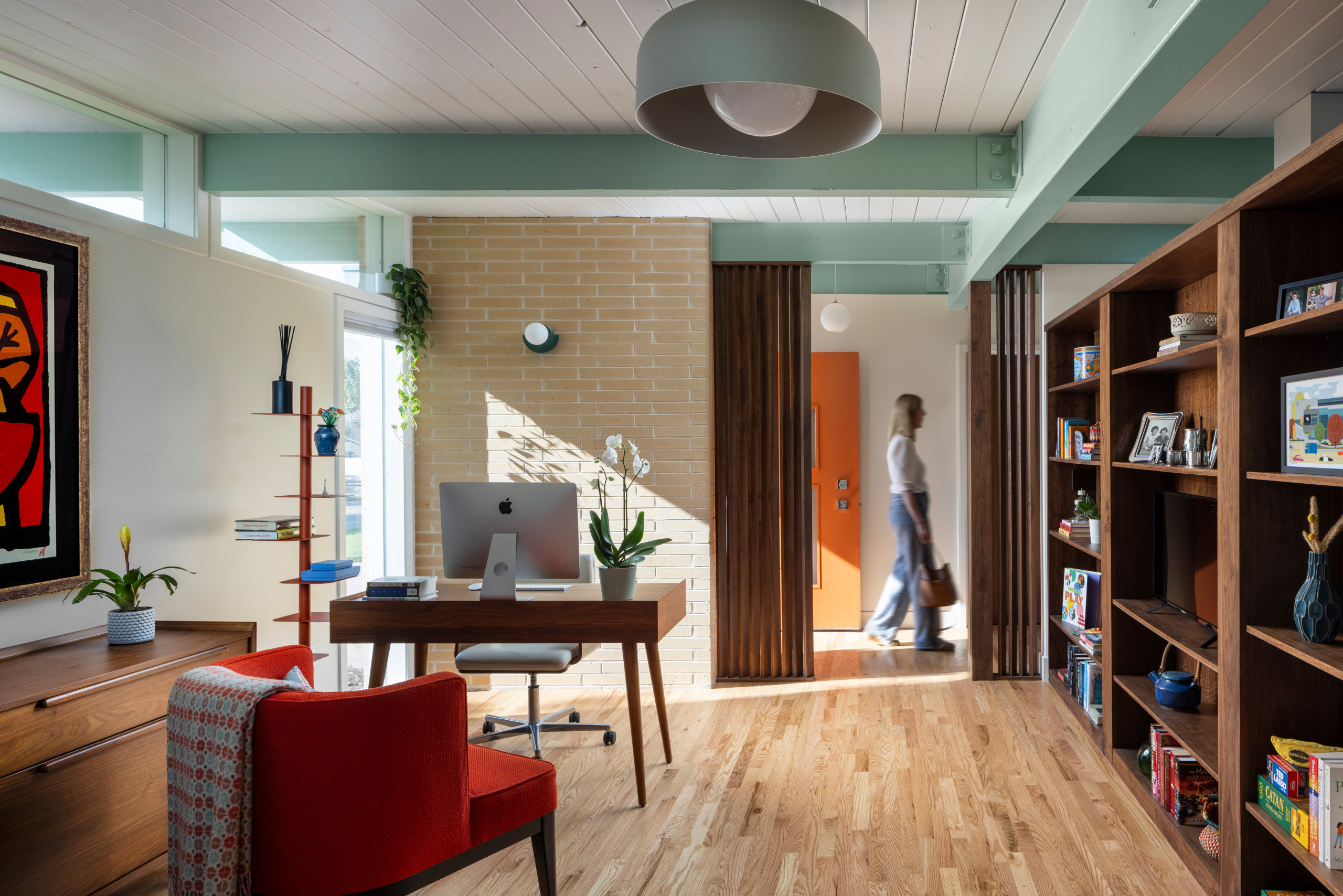
9. Make Use of Technology
Digital tools can greatly enhance your presentation. Use 3D modeling software, augmented reality apps, or virtual tours to allow clients to visualize the project in a real-life space. These technologies provide an immersive experience that can help homeowners of the feasibility and appeal of your proposal.
10. Manage Expectations
Managing client expectations from the start is crucial. Communicate clearly about timelines, costs and any unexpected events that may arise during the project. Open and honest communication helps build trust and avoid misunderstandings.
10 Questions to Quickly Identify Your Customers’ Needs
Digital tools can greatly enhance your presentation. Use 3D modeling software, augmented reality apps, or virtual tours to allow clients to visualize the project in a real-life space. These technologies provide an immersive experience that can help homeowners of the feasibility and appeal of your proposal.
10. Manage Expectations
Managing client expectations from the start is crucial. Communicate clearly about timelines, costs and any unexpected events that may arise during the project. Open and honest communication helps build trust and avoid misunderstandings.
10 Questions to Quickly Identify Your Customers’ Needs

11. Personalize Your Approach
Tailor your presentation based on the client type and their preferences. Whether you’re working with an individual or a business, it’s important to personalize your approach. This can include visuals, examples of past projects or specific references that resonate with their needs.
12. Address Legal and Contractual Elements
Don’t forget to address legal and contractual aspects during the presentation. Discuss deadlines, warranties and responsibilities to ensure complete transparency. This can help prevent future conflicts and establish a solid foundation for collaboration.
How to Establish Trust and Build Good Relationships With Clients
Tailor your presentation based on the client type and their preferences. Whether you’re working with an individual or a business, it’s important to personalize your approach. This can include visuals, examples of past projects or specific references that resonate with their needs.
12. Address Legal and Contractual Elements
Don’t forget to address legal and contractual aspects during the presentation. Discuss deadlines, warranties and responsibilities to ensure complete transparency. This can help prevent future conflicts and establish a solid foundation for collaboration.
How to Establish Trust and Build Good Relationships With Clients
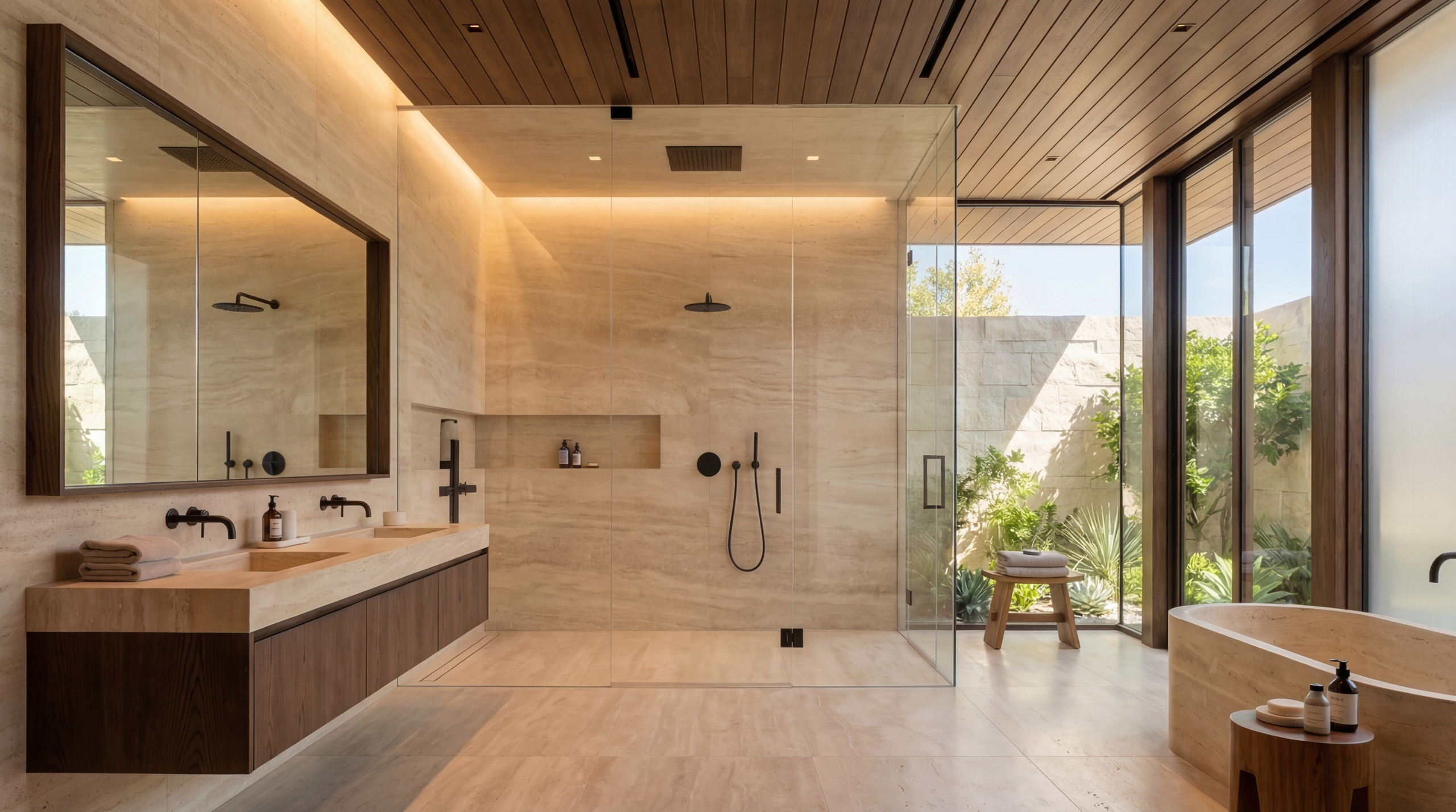
13. Share Current Trends
Discuss current design and renovation trends that could influence the project. This could include sustainability elements, innovative material choices or popular design styles. By showing that you’re up-to-date with trends, you strengthen your credibility as an expert.
14. Have a Long-Term Vision
Don’t forget to address sustainability and the future evolution of the project. Discuss sustainable material choices, energy-efficient solutions and how the space can evolve over time. Customers are increasingly aware of the environmental impact of their choices. By incorporating a long-term vision, you demonstrate that you are thinking not only about the immediate completion of the project, but also about its future. This can strengthen their confidence in your expertise and commitment to responsible practices.
25 Home Design Trends for 2026
Discuss current design and renovation trends that could influence the project. This could include sustainability elements, innovative material choices or popular design styles. By showing that you’re up-to-date with trends, you strengthen your credibility as an expert.
14. Have a Long-Term Vision
Don’t forget to address sustainability and the future evolution of the project. Discuss sustainable material choices, energy-efficient solutions and how the space can evolve over time. Customers are increasingly aware of the environmental impact of their choices. By incorporating a long-term vision, you demonstrate that you are thinking not only about the immediate completion of the project, but also about its future. This can strengthen their confidence in your expertise and commitment to responsible practices.
25 Home Design Trends for 2026
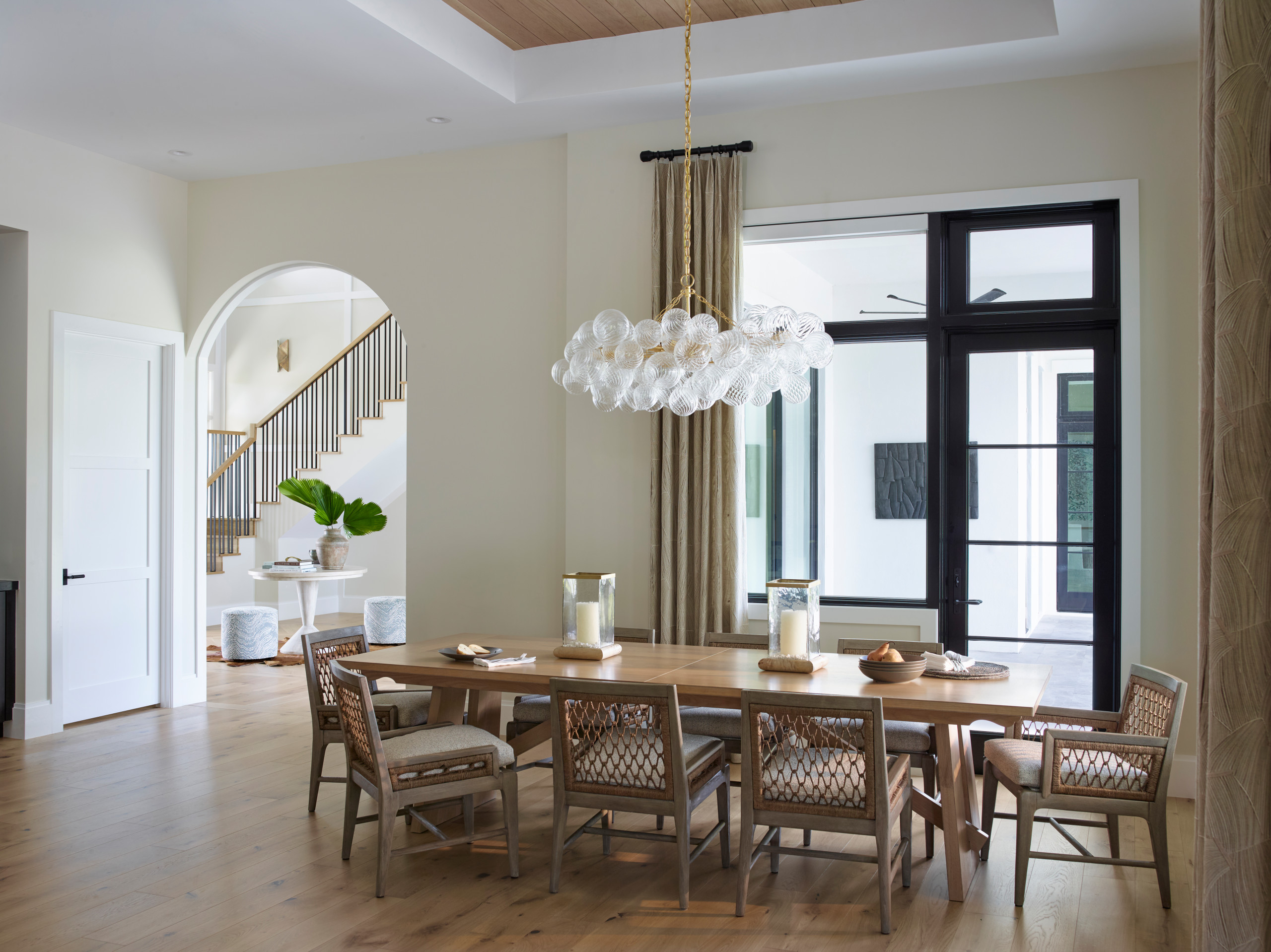
15. Show Your Passion and Enthusiasm
Your passion for the project can be contagious. Show your enthusiasm for the work you offer, as this can inspire confidence in clients. A positive and engaged attitude can make all the difference in how your proposal is perceived.
Presenting a project to customers is an art that requires a combination of creativity, clarity, and professionalism. By incorporating these essential elements into your presentation, you’ll be able to captivate your audience and transform your ideas into concrete projects. Remember, every presentation is an opportunity to build trust. By involving homeowners in the process and showing them that you understand their needs, you’ll lay the foundation for a fruitful collaboration and a successful project. So, get ready to inspire and persuade — every project is a new adventure to share!
More for Pros on Houzz
Read more stories for pros
Browse millions of photos for inspiration
Learn about Houzz Pro software
Talk with your peers in the Houzz Pro Forum
Your passion for the project can be contagious. Show your enthusiasm for the work you offer, as this can inspire confidence in clients. A positive and engaged attitude can make all the difference in how your proposal is perceived.
Presenting a project to customers is an art that requires a combination of creativity, clarity, and professionalism. By incorporating these essential elements into your presentation, you’ll be able to captivate your audience and transform your ideas into concrete projects. Remember, every presentation is an opportunity to build trust. By involving homeowners in the process and showing them that you understand their needs, you’ll lay the foundation for a fruitful collaboration and a successful project. So, get ready to inspire and persuade — every project is a new adventure to share!
More for Pros on Houzz
Read more stories for pros
Browse millions of photos for inspiration
Learn about Houzz Pro software
Talk with your peers in the Houzz Pro Forum

Sponsored
Sponsored

Customized Award-Winning Interior Design Solutions in Franklin Cnty OH
Before you even begin crafting your presentation, it’s essential to have a clear vision of what you want to convey. This starts with a thorough understanding of your customers’ needs and desires. Take the time to listen to their expectations, aesthetic preferences and lifestyle needs. Once you have this foundation, create an inspiring vision that reflects not only their wishes, but also your expertise and creativity. Use mood boards, material swatches and color palettes to bring this vision to life. These visual tools help communicate abstract ideas in a tangible and engaging way.
2. Offer Detailed Plans and Sketches
Homeowners need to visualize the space as it will look after the renovation, so detailed plans and sketches are essential. Use design software tools like the Houzz Pro 3D Floor Planner to create professional plans. Include 3D views to give a realistic idea of the layout. Freehand sketches can also add a personal touch and showcase your creative process. Be sure to include dimensions, materials and finishes so homeowners can visualize their future space.
Find out about Houzz Pro 3D Floor Planner tools