
Search results for "Balancing transfer" in Home Design Ideas
 GMI Design Group
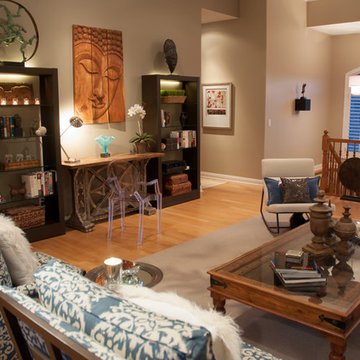
This airy living room was conceived around the homeowners love of art and nature. A palette derived from sea and sand, natural elements were brought in both literally and figuratively.
Warm wood and earthen accents are countered by sleek, modern accent chairs. The embroidered linen draperies draw the eye up and serve as a dramatic backdrop to the serene conversation area. Oversized mirrors transfer the ambient light throughout the room.
The centerpiece of the room is a silk and copper aerial sculpture by artist Jan R. Carson (www.janrcarson.com) that is accented by a halogen spotlight. The lighting casts an ever-changing shadow, creating life and whimsy to the room. The homeowners have even been known to move the furniture back, spotlight the mobile, and use the room as a salsa dance floor!
A reclaimed hand-carved door was repurposed as a coffee table. Modern elements such as the lucite "Ghost" chair, the Gus rocker, and impressionist original oil painting balance out the rustic elements of the room.
Julie Austin Photography

 GMI Design Group
This airy living room was conceived around the homeowners love of art and nature. A palette derived from sea and sand, natural elements were brought in both literally and figuratively.
Warm wood and earthen accents are countered by sleek, modern accent chairs. The embroidered linen draperies draw the eye up and serve as a dramatic backdrop to the serene conversation area. Oversized mirrors transfer the ambient light throughout the room.
The centerpiece of the room is a silk and copper aerial sculpture by artist Jan R. Carson (www.janrcarson.com) that is accented by a halogen spotlight. The lighting casts an ever-changing shadow, creating life and whimsy to the room. The homeowners have even been known to move the furniture back, spotlight the mobile, and use the room as a salsa dance floor!
A reclaimed hand-carved door was repurposed as a coffee table. Modern elements such as the lucite "Ghost" chair, the Gus rocker, and impressionist original oil painting balance out the rustic elements of the room.
Julie Austin Photography
Find the right local pro for your project
 Zielke Homes & Improvement
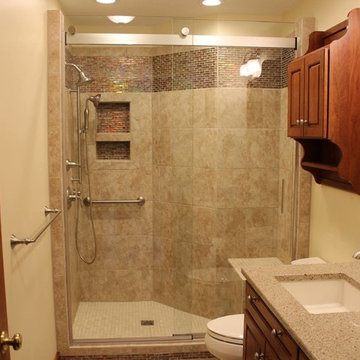
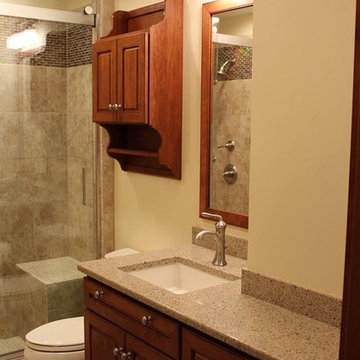
After- Stevensville, February 2016 Bathroom
Cabinets: Showplace Wood Products, Woodbury door style, five piece drawer header, Cherry wood, stain in Cayenne, soft close doors, with tilt bin header at sink area.Accented with a framed mirror and toilet topper cabinet.
Counter top: Cambria quartz, Sutton color tone, Double radius “Summit” edge profile.
Hardware pull: Richelieu Classic Metal Knob in Brushed Nickel.
Kohler products: All in Brushed Nickel finish.
Devonshire single handle bathroom faucet K-193-4-BN
Verticyl rectangular undermount bathroom sink K-2882-96 in Biscuit.
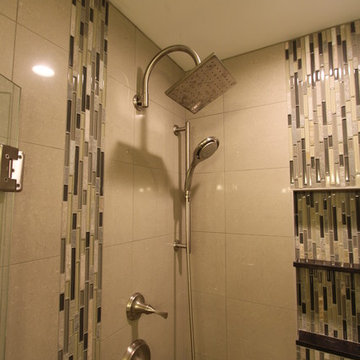
Devonshire Rite-Temp pressure balancing shower faucet K-T396-4-BN
Devonshire transfer value trim K-T376-4-BN
Bancroft multifunction hand shower K-10597-BN
Slider Bar for handheld shower 30” K-8524-BN
Levity sliding shower door 82”H x 56-5/8”-59-5/8” W, with 3/8” glass.
Devonshire double wall sconce in Brushed Nickel K-10571-BN.
Wellworth toilet K-9379-BN
Accented for safety with Traditional ADA Grab Bars.
Tile: Shower walls and floor main bath floor have American Olean Belmar Tile in Cashmere.
Shower floor is in Travertine marble 1” x 1” in Torreon Tubmbled.
Shower wall eye line and curb in accented with 5/8” Random Aruba Glass Mosaics by Daltile.
And before tiling this shower has Shluter Shower system
 Accessibility Design, Inc.
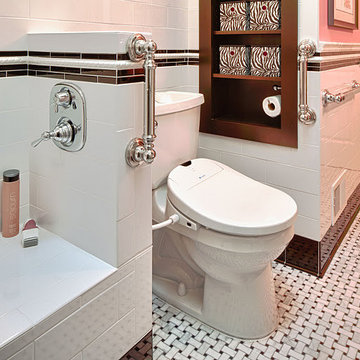
An elongated comfort height toilet was installed with a bidet to aid in personal hygiene. Vertical bran bars were installed on both sides of the toiler to provide balance and safety when transferring on and off the toilet.
 Zielke Homes & Improvement
After- Stevensville, February 2016 Bathroom
Cabinets: Showplace Wood Products, Woodbury door style, five piece drawer header, Cherry wood, stain in Cayenne, soft close doors, with tilt bin header at sink area.Accented with a framed mirror and toilet topper cabinet.
Counter top: Cambria quartz, Sutton color tone, Double radius “Summit” edge profile.
Hardware pull: Richelieu Classic Metal Knob in Brushed Nickel.
Kohler products: All in Brushed Nickel finish.
Devonshire single handle bathroom faucet K-193-4-BN
Verticyl rectangular undermount bathroom sink K-2882-96 in Biscuit.
Devonshire Rite-Temp pressure balancing shower faucet K-T396-4-BN
Devonshire transfer value trim K-T376-4-BN
Bancroft multifunction hand shower K-10597-BN
Slider Bar for handheld shower 30” K-8524-BN
Levity sliding shower door 82”H x 56-5/8”-59-5/8” W, with 3/8” glass.
Devonshire double wall sconce in Brushed Nickel K-10571-BN.
Wellworth toilet K-9379-BN
Accented for safety with Traditional ADA Grab Bars.
Tile: Shower walls and floor main bath floor have American Olean Belmar Tile in Cashmere.
Shower floor is in Travertine marble 1” x 1” in Torreon Tubmbled.
Shower wall eye line and curb in accented with 5/8” Random Aruba Glass Mosaics by Daltile.
And before tiling this shower has Shluter Shower system
 kmjee
kmjeePepper plants are a delightful addition to any garden, offering a vibrant burst of color and spice to your culinary creations. However, even experienced gardeners can encounter challenges when growing pepper plants. In this blog, we'll explore some common issues you might face and provide practical solutions to help your pepper plants thrive.
1. Slow or Stunted Growth
Issue: Slow or stunted growth in pepper plants can be discouraging, but there are specific steps you can take to address this issue effectively.
Solution:
a. Soil Health:
- Well-Draining Soil: Ensure your pepper plants are in well-draining soil to prevent waterlogged roots, which can inhibit growth.
- Organic Matter: Incorporate plenty of organic matter, such as compost or well-rotted manure, into the soil to improve its texture and nutrient content.
- pH Level: Test the soil pH and adjust it to the ideal range between 6.0 and 6.8 using lime or sulfur as needed.
b. Fertilization:
- Balanced Fertilizer: Use a balanced, slow-release fertilizer designed for vegetables to provide essential nutrients steadily throughout the growing season.
- Compost: Amend the soil with compost to enhance nutrient availability and soil structure. This can promote healthier growth.
c. Watering:
- Consistent Moisture: Maintain consistent soil moisture levels by watering your pepper plants regularly but avoid waterlogging. Aim for 1-2 inches of water per week, adjusting based on your local climate and weather conditions.
- Mulching: Apply mulch around the base of the plants to retain soil moisture and regulate temperature.
2. Yellowing Leaves
Issue: Yellowing leaves can be a sign of various underlying problems, but addressing them promptly can restore the vibrancy of your pepper plants.
Solution:
a. Nutrient Deficiencies:
- Balanced Fertilization: Use a well-balanced fertilizer that includes micronutrients to address nutrient deficiencies.
- Specific Nutrients: If you suspect a particular deficiency, such as magnesium, iron, or nitrogen, apply the appropriate nutrient supplement following package instructions.
b. Pest and Disease Control:
- Pest Inspection: Regularly inspect the leaves and stems for common pests like aphids and mites. Remove affected leaves and treat with organic pesticides if necessary.
- Disease Management: Look out for signs of diseases like bacterial leaf spot or fungal issues. Apply organic fungicides or bactericides as recommended.
3. Blossom Drop
Issue: When pepper plants drop their blossoms prematurely, it can hinder fruit development and lead to disappointment.
Solution:
a. Temperature Control:
- Stable Temperatures: Ensure your pepper plants are exposed to consistent temperatures between 70°F and 80°F (21°C to 27°C) during flowering. Avoid sudden temperature fluctuations by providing shelter or using row covers.
b. Pollination:
- Assist with Pollination: If growing peppers indoors or in a greenhouse, help with pollination by gently shaking the plants or using a small brush to transfer pollen between flowers. Outdoor pepper plants are usually pollinated by insects.
4. Wilting Plants
Issue: Wilting or drooping pepper plants can be a sign of various problems, but proper care can revive them.
Solution:
a. Watering:
- Consistent Moisture: Adjust your watering routine to keep the soil consistently moist but not waterlogged. Water early in the day to prevent fungal issues.
- Drainage: Ensure proper soil drainage by amending the soil or using raised beds to prevent waterlogged roots.
b. Pest Control:
- Pest Inspection: Examine the undersides of leaves for signs of pests like aphids, spider mites, or whiteflies. Treat infestations promptly with biological insecticides.
5. Curling Leaves
Issue: Curling or misshapen leaves indicate stress in pepper plants, which can be caused by various factors.
Solution:
a. Environmental Stress:
- Stable Conditions: Ensure your pepper plants are in an environment with stable humidity, temperature, and adequate air circulation. Avoid sudden changes in conditions.
- Proper Ventilation: Adequate air circulation can reduce humidity and prevent fungal issues.
b. Pest and Disease Management:
- Pest Inspection: Regularly inspect your plants for pests and diseases, addressing them promptly with organic remedies as needed.
6. Sunscald
Issue: Sunscald can lead to discolored, leathery patches on pepper fruits when exposed to intense sunlight.
Solution:
a. Shade Cloth:
- Sun Protection: Shield your pepper plants from harsh sunlight during the hottest part of the day using shade cloth or by planting them where they receive some filtered sunlight.
b. Pruning:
- Fruit Shading: Prune excess foliage to allow better fruit shading, reducing the risk of sunscald. Ensure that there's a balance between foliage and fruit.
7. Pepper Plant Pests and Diseases
Issue: Aphids, mites, whiteflies, and various diseases can affect pepper plants, but you can manage them effectively.
Solution:
a. Regular Inspection:
- Vigilant Monitoring: Regularly inspect your pepper plants for signs of pests or diseases, paying close attention to the undersides of leaves and stems.
b. Organic Remedies:
- Pest Control: Use organic remedies like neem oil, insecticidal soap, or diatomaceous earth for pest control.
- Disease Management: Apply organic fungicides or bactericides as recommended to manage diseases like powdery mildew or bacterial spot.
While growing pepper plants can present various challenges, these common issues are manageable with the right knowledge and care. Regular monitoring, proper soil preparation, and timely intervention can help you enjoy a bountiful harvest of vibrant, spicy peppers. Remember that gardening is a learning experience, and each challenge you face is an opportunity to improve your skills and enjoy the rewards of homegrown peppers in your favorite dishes.
Sponsored
Sunbury, OH

J.Holderby - Renovations
Franklin County's Leading General Contractors - 2X Best of Houzz!

 1st Choice Heating & Air Conditioning, Inc.
Existing 2-Ton Lennox Air Conditioner
Patio - small backyard patio idea in Orange County
Patio - small backyard patio idea in Orange County
 Ensuite Hamilton
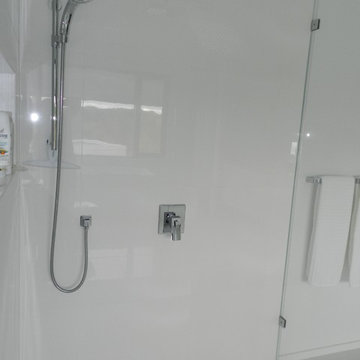
Beautiful modern shower with a seamless linear drain, rain fall shower with separate handheld shower. The Riobel thermostatic coaxial Zendo shower valve allows you to set your desired temperature and effortlessly transfer between functions all from one valve.

 safe ZOnea
Staging a home for sale or for a major transition is a strange in-between state. You are still living in the space, but you are also preparing it to impress strangers, support showings, and remain functional until the final move-out day. That tension between “home” and “product” is where storage quietly becomes one of your smartest tools. Used well, storage lets you reduce clutter, protect important items, and create the kind of rooms that photograph beautifully and feel calm when buyers walk through the door.
A staged move is rarely just about shifting boxes from one address to another. It is about managing timing, presentation, and stress at the same time. When storage is built into the plan from day one, the entire process feels less rushed and more strategic. Rooms open up gradually, essentials stay accessible, and you never feel like you are drowning in half-packed chaos. Understanding how to use storage as a staging partner, not just a place to dump excess stuff, is what turns a messy transition into a controlled, professional-looking move.
Why Storage Is the Backbone of Every Staged Move
Visual space is emotional space. When every surface is covered, and every corner is full, buyers feel crowded before they have even evaluated the layout. Storage gives you a way to pull back without making drastic decisions about what to keep or donate. Seasonal décor, bulky furniture, duplicate items, archives, and personal collections can be moved out early, so the home reads cleaner and more open while still feeling lived-in. That balance between warmth and simplicity is exactly what good staging tries to achieve.
In more complex situations, such as live-work properties or home offices, storage becomes even more important. You may need to keep a business running while also presenting a polished environment to viewers. Partnering with local movers in Boston makes it easier to shift equipment, files, and nonessential pieces into storage in phases, so work can continue while the visible areas of the property stay controlled and presentable.
How Staging and Storage Work Together to Control Visual Impact
Staging works best when every object in a room has a clear purpose. A sofa frames a conversation. A table suggests gathering. A lamp softens the mood. Everything else that is not essential to that story competes for attention. Storage supports staging by giving you a clean staging bench off-site, where nonessential items can wait without being constantly shuffled between rooms or piled into overstuffed closets.
The art lies in deciding what stays and what goes. Family photos, extensive collections, excess seating, and rarely used appliances often move into storage first. What remains should be enough to show scale, comfort, and function without revealing the full weight of daily life. Commercial properties go through a similar filtering process. Extra desks, surplus equipment, outdated signage, and inactive files often move out early so the active workspace feels lean, efficient, and future-ready before a relocation supported by commercial movers takes place.
Strategic Timing of Storage before the Actual Move
The worst time to think about storage is when boxes are already stacked in the hallway. In a staged move, storage decisions ideally begin as soon as you know the property will be listed or the space will be transitioned. That might be a month or more before the main moving date. Starting early gives you time to sort, label, and prioritize instead of throwing things together in a panic.
An early storage phase also helps you test how the home feels with less in it. You may discover that removing a few large pieces transforms a cramped room into an open, inviting space. For commercial spaces, early storage lets operations continue with fewer interruptions. Departments can send nonessential items out in waves. When the main relocation comes, much of the excess is already safely stored, and what remains is easier for a commercial movers Boston team to handle with speed and care.
The Emotional Psychology behind Letting Storage Hold Your Belongings
Letting belongings leave the house ahead of you can feel unsettling. There is always a quiet fear that once something is out of sight, it will be forgotten, damaged, or harder to reclaim. That is why some people resist using storage even when they know it would make the staging process easier. Acknowledging that emotion instead of dismissing it helps you plan more honestly and avoids last-minute regret.
The reality is that good storage is not a black hole; it is a temporary pause. When items are packed thoughtfully, labeled clearly, and placed in an environment you trust, they become easier to manage than when they are tucked into random cupboards or stacked in spare rooms. For many people, living with fewer visible possessions during staging actually reduces tension. The home feels lighter and easier to maintain. Businesses notice the same effect when storage removes outdated equipment and clutter from the floor. The workspace looks more focused, and staff can concentrate on current tasks instead of navigating around accumulated history.
Protecting Assets While They Live in Storage
Sending belongings into storage is only a good idea if they come back in the same or better condition. That is where quality control matters. Furniture, textiles, electronics, files, and artwork each have different vulnerabilities. Moisture, temperature swings, dust, and rough handling can all damage them in ways that only become obvious later. Choosing the right type of storage and packing accordingly is central to the genius of using storage as part of a staged move rather than as a desperate overflow container.
Climate-controlled units, padded wrapping, elevated pallets, careful stacking, and clearly marked boxes all reduce risk. The goal is to handle items fewer times, not more. When storage is integrated into the move plan, belongings can travel directly from the home to storage and later from storage to the new address with minimal extra movement. Many owners coordinate those transfers through a well trusted movers in Boston, so the same team that moves items out early also manages their final delivery, preserving continuity and accountability.
How Storage Reduces Risk during Multi-Phase Moves
Few staged moves happen in a single clean step. There are often gaps between listing and selling, between selling and closing, between closing and final move-out. If renovations, inspections, or office reconfigurations are involved, the timeline becomes even more layered. Storage absorbs those gaps, so you are not forced to live among towers of boxes or stack equipment in hallways waiting for the next phase.
By treating storage as a flexible middle ground, you can move things out gradually while still having access when needed. For example, archived files can go first, followed by seasonal décor, then surplus furniture. As each stage ends, fewer items remain to be shifted on the final date. This phased approach reduces the risk of rushed, late-night packing sessions, careless stacking, and damaged items. It also makes it easier for commercial moving crews to work efficiently because they are handling a manageable volume of goods at each phase rather than everything at once.
Using Storage to Maintain Clean Show-Ready Conditions
One of the hardest parts of staging is keeping the property consistently show-ready. Every viewing becomes its own small event. Floors need to be cleared, surfaces wiped, and personal items tucked away. When too many belongings remain in the home, each showing takes a heavy amount of effort. Storage cuts that workload dramatically by taking nonessentials completely off the stage.
With fewer items to move and hide, maintaining a neutral, inviting look becomes much more realistic. You are not scrambling to stuff things into closets or push items under the bed. Instead, the home sits closer to show condition all the time, and the final touches before a viewing are minimal. In commercial environments, using storage helps maintain a professional appearance for clients and staff, even while the space is being prepared for a larger transition. Active tools and furniture stay in play, while inactive pieces quietly support the future from storage.
Storage as a Strategic Tool in Business Relocation Planning
For businesses, storage is more than a convenience; it is part of risk management. Office relocations and staged commercial moves have to juggle lease deadlines, equipment deliveries, IT cutovers, and staffing realities. Trying to shift everything in one move often results in downtime, lost files, and strained teams. Storage turns the move into a series of controlled steps instead of a single disruptive jump.
Unused furniture, archived documents, and non-critical inventory can be moved into storage weeks ahead of the main relocation. As the new space becomes ready, items can move out of storage and directly into position. This reduces double-handling and keeps the old and new locations from filling with half-unpacked material. A business that coordinates these flows with professional commercial movers in Boston usually experiences smoother transitions, because storage is treated as a working part of the operational plan rather than a leftover problem.
The Hidden Cost Benefits of Proper Storage Planning
On paper, storage looks like an extra expense. In reality, poorly managed moves cost far more. When everything is rushed into boxes at the last minute, items are damaged, misplaced, or transported multiple times. Extra labor hours, emergency packing supplies, replacement furniture, and extended timelines quickly outweigh the cost of well-used storage. Staging without storage also tends to keep homes and offices crowded longer, which can hurt impressions and, in the case of a sale, influence offers.
When storage is integrated from the beginning, you minimize waste. You handle items fewer times, you know where things are, and you avoid paying people to shift the same objects repeatedly. Staged homes that look better often sell faster or draw stronger interest, which helps recover investment on the back end. Businesses benefit from less downtime, safer handling of equipment, and predictable work schedules. Those gains are why many clients prefer partnering with a commercial moving company in Boston that understands storage as a cost-control tool, not just a place to park overflow.
Conclusion
The true genius of using storage during a staged home move is that it quietly rewrites the rules of transition. Instead of treating space as something that must absorb every box and belonging until the last possible moment, you treat storage as a flexible extension of the home or office. This shift in thinking opens rooms, clears sightlines, and makes every phase of the move more intentional. Staging becomes easier, maintenance becomes lighter, and the stress of living in a half-moved environment drops noticeably. When storage is chosen carefully, used early, and coordinated with the overall moving plan, it protects both physical assets and emotional energy. Buyers and visitors see a calm, collected space. You experience a less chaotic path from “here” to “there.” Whether you are selling a home, repositioning a business, or managing a complex phased relocation, storage can turn a disruptive event into a managed, almost elegant process.
For people who want that level of control and care during a staged move, Stairhopper movers have built a strong reputation by treating storage, timing, and transport as parts of one connected strategy. Their team is known for listening closely, planning around real-life constraints, and moving both residential and commercial clients through transitions with calm, steady execution. They approach every project as a partnership, aligning storage use, staging needs, and final delivery so that what matters most arrives safely, on schedule, and with as little disruption as possible.
Frequently Asked Questions
Q1. When should I arrange storage for a staged home move?
Ideally, four to six weeks before listing or transition, so clearing, packing, and staging can happen gradually without rushed decisions or last-minute stress.
Q2. Is climate-controlled storage necessary for staged moves?
It is highly recommended for wood furniture, electronics, artwork, and documents, since temperature and humidity swings can quietly damage materials over time.
Q3. How does storage help keep a home show-ready?
By moving nonessential items off-site, daily tidying becomes simpler, and each room can stay closer to a staged condition between viewings or inspections.
Q4. Can storage reduce the length of the final moving day?
Yes. When many items are moved into storage in advance, the final moving day focuses on essentials, which shortens timelines and reduces physical and mental strain.
Q5. Is storage useful for short-term business relocations?
Even in short relocations, storage helps prevent overcrowded offices and allows departments to move in phases without interrupting everyday operations.
Q6. How do I decide what should go into storage first?
Start with rarely used items, seasonal décor, surplus furniture, and archived materials, then work toward pieces that are visually distracting or make rooms feel cramped.
Q7. Will using storage make it harder to find things later?
Not if packing and labeling are done carefully. Clear categories, room-based labels, and simple inventories make stored items easier to locate than when scattered at home.
Q8. Does storage still make sense if my move happens in one day?
Yes, because staging and preparation begin well before that day. Storage keeps the home functional and attractive during the weeks leading up to the final move.

 Blondie's Treehouse Inc
As Brooklyn continues to reach upward, its newest denizens demand an aesthetic which marries the past with the present. For the latest buildings, rooftop spaces are not an after-thought but are carefully engineered and planned early in the design phase, often long before there is a semblance of a space to survey.
The primary challenge with common spaces for residential buildings is to provide some level of individual privacy while developing an overall spatial design which will also foster social interaction between users. In order to achieve this balance, smaller conversational spaces which are defined through the rigid face of the wood-clad planters and accented by hearty plantings and provide a diverse mix of seating types from long benches attached to the face of the planters to moveable chairs and tables allowing for maximum flexibility. The smaller conversational spaces take advantage of the views from the outside edges of the roof while the larger common spaces are defined by plant-softened wood fences.
The materials of the space borrow from the buildings context, reclaiming many of the materials which permeated Brooklyn’s industrial heritage. Concrete, steel, aluminum and various fabrics are some of the elements which help to unite the past with the present. Transferring the feel of the sidewalk planting bed to the rooftop is achieved through the raw steel-edged green-roof garden areas which help define the spaces.



 Grounding Sheets
Grounding Sheets – Sleep Connected to the Earth
learn more
Rejuvenate each night and recharge your days.
Experience the power of nature’s healing energy with our premium Grounding Sheets, designed to reconnect your body to the Earth while you rest.
Crafted with a special blend of pure silver fibers and skin-friendly cotton, these sheets offer unparalleled softness, breathability, and conductivity—so you enjoy the comfort of luxury bedding with the science-backed benefits of grounding. learn more
Feel the Difference Every Morning
As you sleep, your body naturally absorbs the Earth’s electrons through the conductive silver threads. This gentle grounding connection helps to:
Reduce stress and anxiety
Calm inflammation and muscle tension
Promote deep, restorative sleep
Balance your body’s natural rhythms
Boost energy and overall well-being
Wake up refreshed, recharged, and truly balanced—ready to take on the day with renewed energy and focus.
Why Choose Our Grounding Sheets
Pure Silver Conductive Fiber – Ensures strong, consistent grounding connection.
Soft Cotton Comfort – Gentle on sensitive skin; feels just like luxury bedding.
Continuous Grounding Effect – Works all night as you rest.
Easy to Maintain – Machine washable with mild detergent; long-lasting durability.
Science Meets Serenity – Blends modern wellness with the Earth’s timeless energy.
How It Works
Simply connect the grounding cord to your wall outlet’s ground port or an outdoor ground rod.
As you sleep, the sheet transfers the Earth’s natural electrons to your body, helping neutralize free radicals and restore electrical balance—just like walking barefoot on grass.
Restore • Heal • Energize
Reclaim your natural connection to the Earth and rediscover how good real rest can feel.
With our Grounding Sheets, each night becomes a healing experience—helping your body restore itself naturally, so you wake up healthier, calmer, and more alive.
https://earthingharmony.com/products/sheet

 The Decorating Therapist
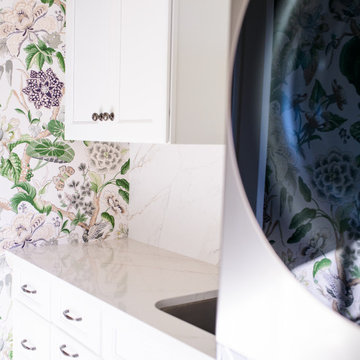
A dedicated countertop adjacent to the stacked washer and dryer provides an essential landing area for laundry baskets, simplifying sorting, folding, and transferring clothes while improving the room's overall workflow. This thoughtfully planned workspace enhances everyday functionality and demonstrates how intentional space planning elevates even the most practical household tasks.
To complement the existing gray ceramic flooring and black stainless steel washer and dryer, aged pewter cabinet hardware was selected for its timeless appeal and understated sophistication. The warm metallic finish adds depth and refinement while creating a cohesive material palette that balances contemporary appliances with classic detailing.
Durability and ease of maintenance were equally important design considerations. The countertop material was extended seamlessly up the wall to create a matching backsplash, resulting in a clean, uninterrupted surface that is both elegant and highly practical. This integrated approach protects the walls from everyday wear, simplifies cleaning, and reinforces the tailored, custom aesthetic that defines a thoughtfully designed luxury laundry room.

 GMI Design Group
This airy living room was conceived around the homeowners love of art and nature. A palette derived from sea and sand, natural elements were brought in both literally and figuratively.
Warm wood and earthen accents are countered by sleek, modern accent chairs. The embroidered linen draperies draw the eye up and serve as a dramatic backdrop to the serene conversation area. Oversized mirrors transfer the ambient light throughout the room.
The centerpiece of the room is a silk and copper aerial sculpture by artist Jan R. Carson (www.janrcarson.com) that is accented by a halogen spotlight. The lighting casts an ever-changing shadow, creating life and whimsy to the room. The homeowners have even been known to move the furniture back, spotlight the mobile, and use the room as a salsa dance floor!
A reclaimed hand-carved door was repurposed as a coffee table. Modern elements such as the lucite "Ghost" chair, the Gus rocker, and impressionist original oil painting balance out the rustic elements of the room.
Julie Austin Photography
4