
Search results for "Biological" in Home Design Ideas

 Sweet Smiling Landscape Design
When I came to this property not only was the landscape a scrappy mess the property also had some very real grading and drainage issues that were jeopardizing the safety of this house. As recent transplants from New Jerseys to Southern California these clients were in awe of all the plants they were seeing in their neighborhood. Living on the water at the Ventura harbor they wanted to be able to take full advantage or the outdoor lifestyle and cool ocean breeze. Being environmentally conscious citizens, these clients were very concerned that their garden was designed with sustainability as a leading factor. As they said in our initial consultation, “Would want or garden be part of the solution not part of the problem.”
This property is the last house on the bottom of a gently sloping street. All the water from the neighbor’s houses drain onto this property. When I came into this project the back yard sloped into the house. When it would rain the water would pool up against the house causing water damage. To address the drainage we employed several tactics. Firstly, we had to invert the slope in the back yard so that water would not pool against the house. We created a very minor slope going away from the house so that water drains away but so the patio area feels flat.
The back of the back yard had an existing retaining wall made out of shabby looking slump stone. In front of that retaining wall we created a beautiful natural stone retaining wall. This retain wall severs many purposes. One it works as a place to put some of the soil removed from the grading giving this project a smaller carbon foot print (moving soil of a site burns a lot of fossil fuel). The retaining wall also helps obscure the shabby existing retaining wall and allows for planting space above the footing from the existing retaining wall. The soil behind the ne retaining wall is slightly lower than the top of the wall so that when the run on water on from the neighbor’s property flows it is slowed down and absorbed before it has a chance to get near the house. Finally, the wall is at a height designed to serve as overflow seating as these clients intend to have occasional large parties and gatherings.
Other efforts made to help keep the house safe and dry are that we used permeable paving. With the hardscape being comprised of flag stone with gravel in-between water has a chance to soak into the ground so it does not flow into spots where it will pool up.
The final element to help keep the house dry is the addition of infiltration swales. Infiltration swales are depressions in the landscape that capture rain water. The down spouts on the sides of the houses are connected to pipe that goes under the ground and conveys the water to the swales. In this project it helps move rain water away from the house. In general, these Infiltration swales are a powerful element in creating sustainable landscapes. These swales capture pollutants that accumulate on the roof and in the landscape. Biology in the soil in the swales can break down these pollutants. When run of watered is not captured by soil on a property the dirty water flows into water ways and then the ocean were the biology that breaks down the pollutants is not as prolific. This is particularly important in this project as it drains directly into the harbor. The water that is absorbed in to the swales can replenish aquafers as well as increasing the water available to the plants planted in that area recusing the amount of water that is needed from irrigation.
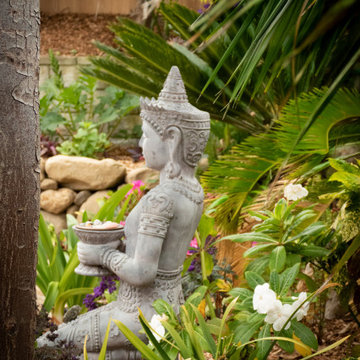
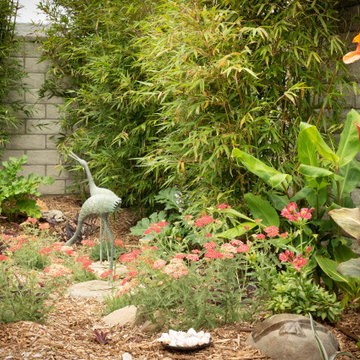
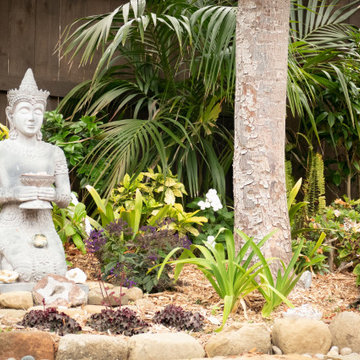
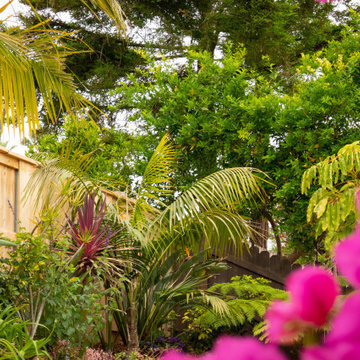
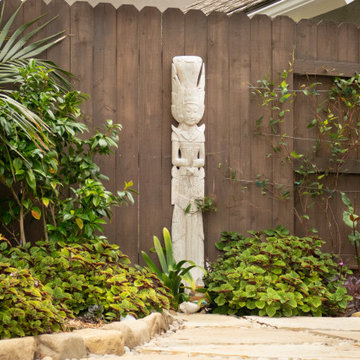
When it came to the planting we went with a California friendly tropical theme. Using lots of succulents and plants with colorful foliage we created vibrant lush landscape that will have year around color. We planted densely (the images in the picture were taken only a month after installation). Taller drought tolerant plants to help regulate the temperature and loss of water from the plants below them. The dense plantings will help keep the garden, the house and even the neighborhood cooler on hot days, will provide spaces for birds to enjoy and will create an illusion of depth in a somewhat narrow space.
Today this garden is a space these homeowners can fully enjoy while having the peace of mind that their house is protected from flooding and they are helping the environment.
 Sweet Smiling Landscape Design
When I came to this property not only was the landscape a scrappy mess the property also had some very real grading and drainage issues that were jeopardizing the safety of this house. As recent transplants from New Jerseys to Southern California these clients were in awe of all the plants they were seeing in their neighborhood. Living on the water at the Ventura harbor they wanted to be able to take full advantage or the outdoor lifestyle and cool ocean breeze. Being environmentally conscious citizens, these clients were very concerned that their garden was designed with sustainability as a leading factor. As they said in our initial consultation, “Would want or garden be part of the solution not part of the problem.”
This property is the last house on the bottom of a gently sloping street. All the water from the neighbor’s houses drain onto this property. When I came into this project the back yard sloped into the house. When it would rain the water would pool up against the house causing water damage. To address the drainage we employed several tactics. Firstly, we had to invert the slope in the back yard so that water would not pool against the house. We created a very minor slope going away from the house so that water drains away but so the patio area feels flat.
The back of the back yard had an existing retaining wall made out of shabby looking slump stone. In front of that retaining wall we created a beautiful natural stone retaining wall. This retain wall severs many purposes. One it works as a place to put some of the soil removed from the grading giving this project a smaller carbon foot print (moving soil of a site burns a lot of fossil fuel). The retaining wall also helps obscure the shabby existing retaining wall and allows for planting space above the footing from the existing retaining wall. The soil behind the ne retaining wall is slightly lower than the top of the wall so that when the run on water on from the neighbor’s property flows it is slowed down and absorbed before it has a chance to get near the house. Finally, the wall is at a height designed to serve as overflow seating as these clients intend to have occasional large parties and gatherings.
Other efforts made to help keep the house safe and dry are that we used permeable paving. With the hardscape being comprised of flag stone with gravel in-between water has a chance to soak into the ground so it does not flow into spots where it will pool up.
The final element to help keep the house dry is the addition of infiltration swales. Infiltration swales are depressions in the landscape that capture rain water. The down spouts on the sides of the houses are connected to pipe that goes under the ground and conveys the water to the swales. In this project it helps move rain water away from the house. In general, these Infiltration swales are a powerful element in creating sustainable landscapes. These swales capture pollutants that accumulate on the roof and in the landscape. Biology in the soil in the swales can break down these pollutants. When run of watered is not captured by soil on a property the dirty water flows into water ways and then the ocean were the biology that breaks down the pollutants is not as prolific. This is particularly important in this project as it drains directly into the harbor. The water that is absorbed in to the swales can replenish aquafers as well as increasing the water available to the plants planted in that area recusing the amount of water that is needed from irrigation.
When it came to the planting we went with a California friendly tropical theme. Using lots of succulents and plants with colorful foliage we created vibrant lush landscape that will have year around color. We planted densely (the images in the picture were taken only a month after installation). Taller drought tolerant plants to help regulate the temperature and loss of water from the plants below them. The dense plantings will help keep the garden, the house and even the neighborhood cooler on hot days, will provide spaces for birds to enjoy and will create an illusion of depth in a somewhat narrow space.
Today this garden is a space these homeowners can fully enjoy while having the peace of mind that their house is protected from flooding and they are helping the environment.
Find the right local pro for your project
 In Your Space Interior Design
Designed By Runa Novak
In Your space Interior Design
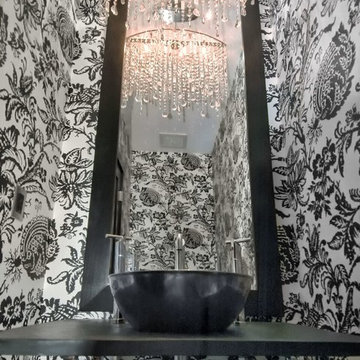
Example of a small minimalist medium tone wood floor powder room design in Chicago with a wall-mount sink
Example of a small minimalist medium tone wood floor powder room design in Chicago with a wall-mount sink
 Sweet Smiling Landscape Design
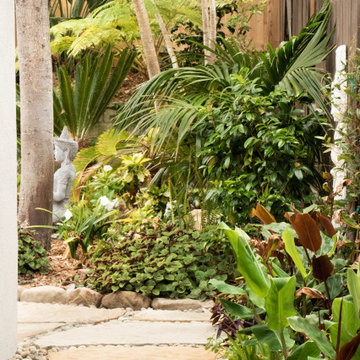
When I came to this property not only was the landscape a scrappy mess the property also had some very real grading and drainage issues that were jeopardizing the safety of this house. As recent transplants from New Jerseys to Southern California these clients were in awe of all the plants they were seeing in their neighborhood. Living on the water at the Ventura harbor they wanted to be able to take full advantage or the outdoor lifestyle and cool ocean breeze. Being environmentally conscious citizens, these clients were very concerned that their garden was designed with sustainability as a leading factor. As they said in our initial consultation, “Would want or garden be part of the solution not part of the problem.”
This property is the last house on the bottom of a gently sloping street. All the water from the neighbor’s houses drain onto this property. When I came into this project the back yard sloped into the house. When it would rain the water would pool up against the house causing water damage. To address the drainage we employed several tactics. Firstly, we had to invert the slope in the back yard so that water would not pool against the house. We created a very minor slope going away from the house so that water drains away but so the patio area feels flat.
The back of the back yard had an existing retaining wall made out of shabby looking slump stone. In front of that retaining wall we created a beautiful natural stone retaining wall. This retain wall severs many purposes. One it works as a place to put some of the soil removed from the grading giving this project a smaller carbon foot print (moving soil of a site burns a lot of fossil fuel). The retaining wall also helps obscure the shabby existing retaining wall and allows for planting space above the footing from the existing retaining wall. The soil behind the ne retaining wall is slightly lower than the top of the wall so that when the run on water on from the neighbor’s property flows it is slowed down and absorbed before it has a chance to get near the house. Finally, the wall is at a height designed to serve as overflow seating as these clients intend to have occasional large parties and gatherings.
Other efforts made to help keep the house safe and dry are that we used permeable paving. With the hardscape being comprised of flag stone with gravel in-between water has a chance to soak into the ground so it does not flow into spots where it will pool up.
The final element to help keep the house dry is the addition of infiltration swales. Infiltration swales are depressions in the landscape that capture rain water. The down spouts on the sides of the houses are connected to pipe that goes under the ground and conveys the water to the swales. In this project it helps move rain water away from the house. In general, these Infiltration swales are a powerful element in creating sustainable landscapes. These swales capture pollutants that accumulate on the roof and in the landscape. Biology in the soil in the swales can break down these pollutants. When run of watered is not captured by soil on a property the dirty water flows into water ways and then the ocean were the biology that breaks down the pollutants is not as prolific. This is particularly important in this project as it drains directly into the harbor. The water that is absorbed in to the swales can replenish aquafers as well as increasing the water available to the plants planted in that area recusing the amount of water that is needed from irrigation.
When it came to the planting we went with a California friendly tropical theme. Using lots of succulents and plants with colorful foliage we created vibrant lush landscape that will have year around color. We planted densely (the images in the picture were taken only a month after installation). Taller drought tolerant plants to help regulate the temperature and loss of water from the plants below them. The dense plantings will help keep the garden, the house and even the neighborhood cooler on hot days, will provide spaces for birds to enjoy and will create an illusion of depth in a somewhat narrow space.
Today this garden is a space these homeowners can fully enjoy while having the peace of mind that their house is protected from flooding and they are helping the environment.
 Extreme Exteriors
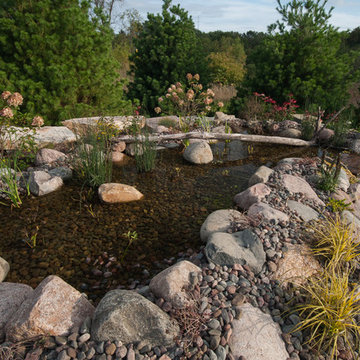
This Large scale water feature was installed in May of 2015 this Pond is made up of a 60x25’ upper pond dropping 5’ of elevation thru a series of streams and multi level waterfalls into a 20x25’ lower pond. The lower pond then empties into a 20’ stream that disappears into a 3000gal underground holding reservoir. The water is recirculated thru a 12,000 GPH pump that feeds 1500 gallon wetland Biologic filter, and a 8000GPH pump that feeds a series of underwater jets to create proper water circulation. In total this water feature holds a total of 33,000 gallons of water.
This project prosed a series of problems and challenges for the crew. The problem we had to address is the yard had a significant slope in 2 directions. In order to level off the yard to make way for the water feature a series of outcropping retaining walls had to be built to support the ponds. The other challenge we had was the limited access, because the initial landscape was already in we had to work our way out of the back yard excavating, building and installing the stone work as we went, the underground basin and lower pond had to be completely finished before the upper pond could be started.
The end result was a beautiful rustic back yard that fades away into the natural landscape of the conservancy that surrounds the house. In total it took 170ton of outcropping stone, 140ton of granite bounders, 75 light fixtures hundreds of plants and 33,000 gallons of water to create this stunning oasis
 Sunset Western Garden Collection
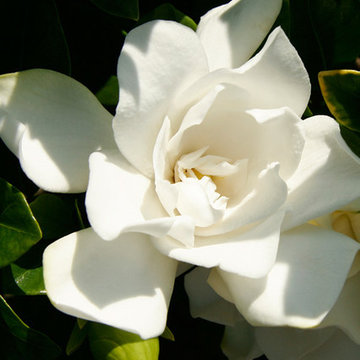
Tropical Gardenia fragrance on a cold hardy, easy care plant. Jubilation flowers from spring through fall with masses of white blooms. Plant near patios, porches, decks, and other outdoor living areas where the fragrance can be enjoyed.
Features
Feature/Bloom White flowers in spring, reblooming summer to fall
Evergreen or Deciduous evergreen
USDA Zones Hardy to 0°F USDA 7, 8, 9, 10, 11
Sunset Zones 7-9, 12-16, 18-24
Special Features Fall blooming, reblooming, dwarf, attracts birds/butterflies, aromatic
Landscape Use Accent, container, mass planting, slope, hedge
Exposure Full sun to part shade
Bloom Season Spring, summer, fall
Dimension 3-4 ft H x 3-4 ft W
Growth Rate Moderate to fast
Plant Type evergreen
About the Collection
Brought to you by the authority on Western gardening, the Sunset Western Garden Collection is an exclusive plant collection of top performing plants for the Western Gardener.
 Sweet Smiling Landscape Design
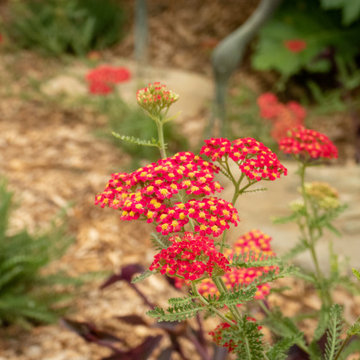
When I came to this property not only was the landscape a scrappy mess the property also had some very real grading and drainage issues that were jeopardizing the safety of this house. As recent transplants from New Jerseys to Southern California these clients were in awe of all the plants they were seeing in their neighborhood. Living on the water at the Ventura harbor they wanted to be able to take full advantage or the outdoor lifestyle and cool ocean breeze. Being environmentally conscious citizens, these clients were very concerned that their garden was designed with sustainability as a leading factor. As they said in our initial consultation, “Would want or garden be part of the solution not part of the problem.”
This property is the last house on the bottom of a gently sloping street. All the water from the neighbor’s houses drain onto this property. When I came into this project the back yard sloped into the house. When it would rain the water would pool up against the house causing water damage. To address the drainage we employed several tactics. Firstly, we had to invert the slope in the back yard so that water would not pool against the house. We created a very minor slope going away from the house so that water drains away but so the patio area feels flat.
The back of the back yard had an existing retaining wall made out of shabby looking slump stone. In front of that retaining wall we created a beautiful natural stone retaining wall. This retain wall severs many purposes. One it works as a place to put some of the soil removed from the grading giving this project a smaller carbon foot print (moving soil of a site burns a lot of fossil fuel). The retaining wall also helps obscure the shabby existing retaining wall and allows for planting space above the footing from the existing retaining wall. The soil behind the ne retaining wall is slightly lower than the top of the wall so that when the run on water on from the neighbor’s property flows it is slowed down and absorbed before it has a chance to get near the house. Finally, the wall is at a height designed to serve as overflow seating as these clients intend to have occasional large parties and gatherings.
Other efforts made to help keep the house safe and dry are that we used permeable paving. With the hardscape being comprised of flag stone with gravel in-between water has a chance to soak into the ground so it does not flow into spots where it will pool up.
The final element to help keep the house dry is the addition of infiltration swales. Infiltration swales are depressions in the landscape that capture rain water. The down spouts on the sides of the houses are connected to pipe that goes under the ground and conveys the water to the swales. In this project it helps move rain water away from the house. In general, these Infiltration swales are a powerful element in creating sustainable landscapes. These swales capture pollutants that accumulate on the roof and in the landscape. Biology in the soil in the swales can break down these pollutants. When run of watered is not captured by soil on a property the dirty water flows into water ways and then the ocean were the biology that breaks down the pollutants is not as prolific. This is particularly important in this project as it drains directly into the harbor. The water that is absorbed in to the swales can replenish aquafers as well as increasing the water available to the plants planted in that area recusing the amount of water that is needed from irrigation.
When it came to the planting we went with a California friendly tropical theme. Using lots of succulents and plants with colorful foliage we created vibrant lush landscape that will have year around color. We planted densely (the images in the picture were taken only a month after installation). Taller drought tolerant plants to help regulate the temperature and loss of water from the plants below them. The dense plantings will help keep the garden, the house and even the neighborhood cooler on hot days, will provide spaces for birds to enjoy and will create an illusion of depth in a somewhat narrow space.
Today this garden is a space these homeowners can fully enjoy while having the peace of mind that their house is protected from flooding and they are helping the environment.
 Sweet Smiling Landscape Design
When I came to this property not only was the landscape a scrappy mess the property also had some very real grading and drainage issues that were jeopardizing the safety of this house. As recent transplants from New Jerseys to Southern California these clients were in awe of all the plants they were seeing in their neighborhood. Living on the water at the Ventura harbor they wanted to be able to take full advantage or the outdoor lifestyle and cool ocean breeze. Being environmentally conscious citizens, these clients were very concerned that their garden was designed with sustainability as a leading factor. As they said in our initial consultation, “Would want or garden be part of the solution not part of the problem.”
This property is the last house on the bottom of a gently sloping street. All the water from the neighbor’s houses drain onto this property. When I came into this project the back yard sloped into the house. When it would rain the water would pool up against the house causing water damage. To address the drainage we employed several tactics. Firstly, we had to invert the slope in the back yard so that water would not pool against the house. We created a very minor slope going away from the house so that water drains away but so the patio area feels flat.
The back of the back yard had an existing retaining wall made out of shabby looking slump stone. In front of that retaining wall we created a beautiful natural stone retaining wall. This retain wall severs many purposes. One it works as a place to put some of the soil removed from the grading giving this project a smaller carbon foot print (moving soil of a site burns a lot of fossil fuel). The retaining wall also helps obscure the shabby existing retaining wall and allows for planting space above the footing from the existing retaining wall. The soil behind the ne retaining wall is slightly lower than the top of the wall so that when the run on water on from the neighbor’s property flows it is slowed down and absorbed before it has a chance to get near the house. Finally, the wall is at a height designed to serve as overflow seating as these clients intend to have occasional large parties and gatherings.
Other efforts made to help keep the house safe and dry are that we used permeable paving. With the hardscape being comprised of flag stone with gravel in-between water has a chance to soak into the ground so it does not flow into spots where it will pool up.
The final element to help keep the house dry is the addition of infiltration swales. Infiltration swales are depressions in the landscape that capture rain water. The down spouts on the sides of the houses are connected to pipe that goes under the ground and conveys the water to the swales. In this project it helps move rain water away from the house. In general, these Infiltration swales are a powerful element in creating sustainable landscapes. These swales capture pollutants that accumulate on the roof and in the landscape. Biology in the soil in the swales can break down these pollutants. When run of watered is not captured by soil on a property the dirty water flows into water ways and then the ocean were the biology that breaks down the pollutants is not as prolific. This is particularly important in this project as it drains directly into the harbor. The water that is absorbed in to the swales can replenish aquafers as well as increasing the water available to the plants planted in that area recusing the amount of water that is needed from irrigation.
When it came to the planting we went with a California friendly tropical theme. Using lots of succulents and plants with colorful foliage we created vibrant lush landscape that will have year around color. We planted densely (the images in the picture were taken only a month after installation). Taller drought tolerant plants to help regulate the temperature and loss of water from the plants below them. The dense plantings will help keep the garden, the house and even the neighborhood cooler on hot days, will provide spaces for birds to enjoy and will create an illusion of depth in a somewhat narrow space.
Today this garden is a space these homeowners can fully enjoy while having the peace of mind that their house is protected from flooding and they are helping the environment.
 The Masons Co and Dionysian Artificers Landscape
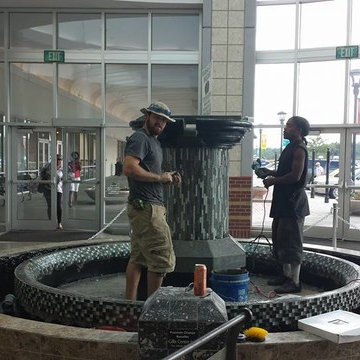
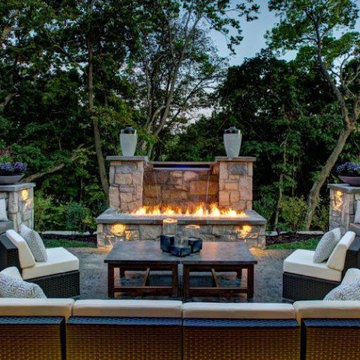
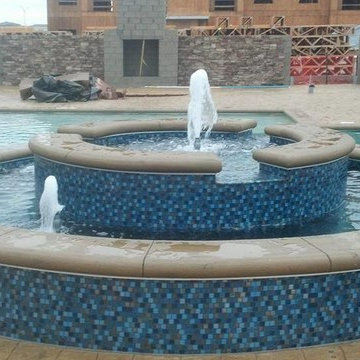
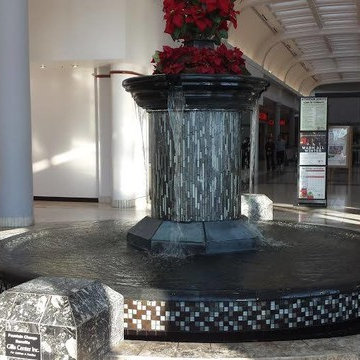
We are available 24hrs/7 days a week for fountain emergencies. Do not hesitate to call us if you have a fountain repair emergency. Chances are high that the sooner we can get to the fountain to repair it, the lower the total damage will be, and of course the lower the total cost to repair the fountain will be. Likely when a repair is needed, a key area of the fountain has failed. Such failure may be rooted in what is a seemingly unlikely location. And the failure could just be the symptom of the problem. Kansas City Fountain Design Group by Kansas City Masonry thoroughly understands water features/fountains and can identify such root failures.
Fountains, over the centuries, have been constructed in many different ways. Kansas City Fountain Design Group by Kansas City Masonry has worked on all types of fountains/water feature repairs so understands and can rectify all kinds of fountain problems. Fountains are our passion and that is why we understand how to repair fountains.
We do fountain repair all over Kansas City, St Louis Mo and entire Midwest region.
Our primary fountain repair service areas :
Kansas City | Leawood Kansas l Brookside Mo | Missions Hills Kansas | | Lawrence Kansas | Lansing Kansas | Olathe Kansas l Overland Park Kansas | North Kansas City | Bonner Springs Mo | Leavenworth | Gladstone Mo | Lenexa Mo | Blue Springs Mo | Independence Mo | Prairie Village Kansas | Shawnee Kansas | Wichita | Topeka | Lee's Summit Mo | Belton Mo | Gardner Mo | Raytown Mo | Raymore Mo | St Louis Mo
 Julie Schuster Design Studio
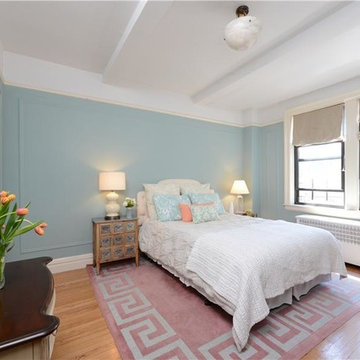
Furniture pieces were removed from the space to allow for more room for the necessary pieces. Prospective buyers need a point of reference to analyze the amount of space there is. Keep to the basics: a bed, two nightstands and a dresser. Don't over clutter the room with furniture, the effect will make the space smaller. Re-arrange the furniture for an best layout.
 Sweet Smiling Landscape Design
When I came to this property not only was the landscape a scrappy mess the property also had some very real grading and drainage issues that were jeopardizing the safety of this house. As recent transplants from New Jerseys to Southern California these clients were in awe of all the plants they were seeing in their neighborhood. Living on the water at the Ventura harbor they wanted to be able to take full advantage or the outdoor lifestyle and cool ocean breeze. Being environmentally conscious citizens, these clients were very concerned that their garden was designed with sustainability as a leading factor. As they said in our initial consultation, “Would want or garden be part of the solution not part of the problem.”
This property is the last house on the bottom of a gently sloping street. All the water from the neighbor’s houses drain onto this property. When I came into this project the back yard sloped into the house. When it would rain the water would pool up against the house causing water damage. To address the drainage we employed several tactics. Firstly, we had to invert the slope in the back yard so that water would not pool against the house. We created a very minor slope going away from the house so that water drains away but so the patio area feels flat.
The back of the back yard had an existing retaining wall made out of shabby looking slump stone. In front of that retaining wall we created a beautiful natural stone retaining wall. This retain wall severs many purposes. One it works as a place to put some of the soil removed from the grading giving this project a smaller carbon foot print (moving soil of a site burns a lot of fossil fuel). The retaining wall also helps obscure the shabby existing retaining wall and allows for planting space above the footing from the existing retaining wall. The soil behind the ne retaining wall is slightly lower than the top of the wall so that when the run on water on from the neighbor’s property flows it is slowed down and absorbed before it has a chance to get near the house. Finally, the wall is at a height designed to serve as overflow seating as these clients intend to have occasional large parties and gatherings.
Other efforts made to help keep the house safe and dry are that we used permeable paving. With the hardscape being comprised of flag stone with gravel in-between water has a chance to soak into the ground so it does not flow into spots where it will pool up.
The final element to help keep the house dry is the addition of infiltration swales. Infiltration swales are depressions in the landscape that capture rain water. The down spouts on the sides of the houses are connected to pipe that goes under the ground and conveys the water to the swales. In this project it helps move rain water away from the house. In general, these Infiltration swales are a powerful element in creating sustainable landscapes. These swales capture pollutants that accumulate on the roof and in the landscape. Biology in the soil in the swales can break down these pollutants. When run of watered is not captured by soil on a property the dirty water flows into water ways and then the ocean were the biology that breaks down the pollutants is not as prolific. This is particularly important in this project as it drains directly into the harbor. The water that is absorbed in to the swales can replenish aquafers as well as increasing the water available to the plants planted in that area recusing the amount of water that is needed from irrigation.
When it came to the planting we went with a California friendly tropical theme. Using lots of succulents and plants with colorful foliage we created vibrant lush landscape that will have year around color. We planted densely (the images in the picture were taken only a month after installation). Taller drought tolerant plants to help regulate the temperature and loss of water from the plants below them. The dense plantings will help keep the garden, the house and even the neighborhood cooler on hot days, will provide spaces for birds to enjoy and will create an illusion of depth in a somewhat narrow space.
Today this garden is a space these homeowners can fully enjoy while having the peace of mind that their house is protected from flooding and they are helping the environment.
 Sweet Smiling Landscape Design
When I came to this property not only was the landscape a scrappy mess the property also had some very real grading and drainage issues that were jeopardizing the safety of this house. As recent transplants from New Jerseys to Southern California these clients were in awe of all the plants they were seeing in their neighborhood. Living on the water at the Ventura harbor they wanted to be able to take full advantage or the outdoor lifestyle and cool ocean breeze. Being environmentally conscious citizens, these clients were very concerned that their garden was designed with sustainability as a leading factor. As they said in our initial consultation, “Would want or garden be part of the solution not part of the problem.”
This property is the last house on the bottom of a gently sloping street. All the water from the neighbor’s houses drain onto this property. When I came into this project the back yard sloped into the house. When it would rain the water would pool up against the house causing water damage. To address the drainage we employed several tactics. Firstly, we had to invert the slope in the back yard so that water would not pool against the house. We created a very minor slope going away from the house so that water drains away but so the patio area feels flat.
The back of the back yard had an existing retaining wall made out of shabby looking slump stone. In front of that retaining wall we created a beautiful natural stone retaining wall. This retain wall severs many purposes. One it works as a place to put some of the soil removed from the grading giving this project a smaller carbon foot print (moving soil of a site burns a lot of fossil fuel). The retaining wall also helps obscure the shabby existing retaining wall and allows for planting space above the footing from the existing retaining wall. The soil behind the ne retaining wall is slightly lower than the top of the wall so that when the run on water on from the neighbor’s property flows it is slowed down and absorbed before it has a chance to get near the house. Finally, the wall is at a height designed to serve as overflow seating as these clients intend to have occasional large parties and gatherings.
Other efforts made to help keep the house safe and dry are that we used permeable paving. With the hardscape being comprised of flag stone with gravel in-between water has a chance to soak into the ground so it does not flow into spots where it will pool up.
The final element to help keep the house dry is the addition of infiltration swales. Infiltration swales are depressions in the landscape that capture rain water. The down spouts on the sides of the houses are connected to pipe that goes under the ground and conveys the water to the swales. In this project it helps move rain water away from the house. In general, these Infiltration swales are a powerful element in creating sustainable landscapes. These swales capture pollutants that accumulate on the roof and in the landscape. Biology in the soil in the swales can break down these pollutants. When run of watered is not captured by soil on a property the dirty water flows into water ways and then the ocean were the biology that breaks down the pollutants is not as prolific. This is particularly important in this project as it drains directly into the harbor. The water that is absorbed in to the swales can replenish aquafers as well as increasing the water available to the plants planted in that area recusing the amount of water that is needed from irrigation.
When it came to the planting we went with a California friendly tropical theme. Using lots of succulents and plants with colorful foliage we created vibrant lush landscape that will have year around color. We planted densely (the images in the picture were taken only a month after installation). Taller drought tolerant plants to help regulate the temperature and loss of water from the plants below them. The dense plantings will help keep the garden, the house and even the neighborhood cooler on hot days, will provide spaces for birds to enjoy and will create an illusion of depth in a somewhat narrow space.
Today this garden is a space these homeowners can fully enjoy while having the peace of mind that their house is protected from flooding and they are helping the environment.
 Sweet Smiling Landscape Design
When I came to this property not only was the landscape a scrappy mess the property also had some very real grading and drainage issues that were jeopardizing the safety of this house. As recent transplants from New Jerseys to Southern California these clients were in awe of all the plants they were seeing in their neighborhood. Living on the water at the Ventura harbor they wanted to be able to take full advantage or the outdoor lifestyle and cool ocean breeze. Being environmentally conscious citizens, these clients were very concerned that their garden was designed with sustainability as a leading factor. As they said in our initial consultation, “Would want or garden be part of the solution not part of the problem.”
This property is the last house on the bottom of a gently sloping street. All the water from the neighbor’s houses drain onto this property. When I came into this project the back yard sloped into the house. When it would rain the water would pool up against the house causing water damage. To address the drainage we employed several tactics. Firstly, we had to invert the slope in the back yard so that water would not pool against the house. We created a very minor slope going away from the house so that water drains away but so the patio area feels flat.
The back of the back yard had an existing retaining wall made out of shabby looking slump stone. In front of that retaining wall we created a beautiful natural stone retaining wall. This retain wall severs many purposes. One it works as a place to put some of the soil removed from the grading giving this project a smaller carbon foot print (moving soil of a site burns a lot of fossil fuel). The retaining wall also helps obscure the shabby existing retaining wall and allows for planting space above the footing from the existing retaining wall. The soil behind the ne retaining wall is slightly lower than the top of the wall so that when the run on water on from the neighbor’s property flows it is slowed down and absorbed before it has a chance to get near the house. Finally, the wall is at a height designed to serve as overflow seating as these clients intend to have occasional large parties and gatherings.
Other efforts made to help keep the house safe and dry are that we used permeable paving. With the hardscape being comprised of flag stone with gravel in-between water has a chance to soak into the ground so it does not flow into spots where it will pool up.
The final element to help keep the house dry is the addition of infiltration swales. Infiltration swales are depressions in the landscape that capture rain water. The down spouts on the sides of the houses are connected to pipe that goes under the ground and conveys the water to the swales. In this project it helps move rain water away from the house. In general, these Infiltration swales are a powerful element in creating sustainable landscapes. These swales capture pollutants that accumulate on the roof and in the landscape. Biology in the soil in the swales can break down these pollutants. When run of watered is not captured by soil on a property the dirty water flows into water ways and then the ocean were the biology that breaks down the pollutants is not as prolific. This is particularly important in this project as it drains directly into the harbor. The water that is absorbed in to the swales can replenish aquafers as well as increasing the water available to the plants planted in that area recusing the amount of water that is needed from irrigation.
When it came to the planting we went with a California friendly tropical theme. Using lots of succulents and plants with colorful foliage we created vibrant lush landscape that will have year around color. We planted densely (the images in the picture were taken only a month after installation). Taller drought tolerant plants to help regulate the temperature and loss of water from the plants below them. The dense plantings will help keep the garden, the house and even the neighborhood cooler on hot days, will provide spaces for birds to enjoy and will create an illusion of depth in a somewhat narrow space.
Today this garden is a space these homeowners can fully enjoy while having the peace of mind that their house is protected from flooding and they are helping the environment.
 Kansas City Landscape
>
Services
CATEGORIES OF SERVICES
~MEMORIAL FOUNTAINS KANSAS CITY
~ARCHITECTURAL POOL FOUNTAINS
KANSAS CITY
~SPRAY RINGS KANSAS CITY
~FLOATING FOUNTAINS KANSAS CITY
~ARCHITECTURAL FOUNTAINS KANSAS CITY
~INTERACTIVE FOUNTAINS KANSAS CITY
~STATUARY FOUNTAINS KANSAS CITY
~ROCK - BOULDER FOUNTAINS
KANSAS CITY
~WATERWALLS KANSAS CITY
~DISPLAY FOUNTAINS KANSAS CITY
~WATERFALL - FOUNTAINS KANSAS CITY
~RAINBARS AND RAIN CURTAINS
KANSAS CITY
~INTERIOR FOUNTAINS KANSAS CITY
~WATER FEATURE CONSTRUCTION
KANSAS CITY
~WATER FEATURE DESIGN AND
ENGINEERING KANSAS CITY
~CUSTOM FOUNTAIN FABRICATION
KANSAS CITY
-WATER FEATURE, FOUNTAIN, RAINBARS,
SPRAY RINGS, FLOATING FOUNTAINS
~BAPTISMAL FONT KANSAS CITY
~ARCHITECTURAL PARKING LOT FOUNTAIN KANSAS CITY
~INFINITY EDGE FOUNTAIN KANSAS CITY
~CURRENT WATER FEATURE PROJECT
KANSAS CITY
~FIRE AND WATER FOUNTAINS
KANSAS CITY
~HOSPITAL FOUNTAIN KANSAS CITY
~AMUSEMENT PARK FOUNTAINS
KANSAS CITY
~CORPORATE HEADQUARTERS FOUNTAINS KANSAS CITY
~POND FOUNTAIN KANSAS CITY
~RAINBARS *FEATURED ON CURB APPEAL*
KANSAS CITY
~FOUNTAIN PUMPS/PARTS KANSAS CITY
-LAKE MANAGEMENT KANSAS CITY
-POOL CONSTRUCTION KANSAS CITY
-POOL MAINTENANCE AND MANAGEMENT
KANSAS CITY
FOUNTAIN SERVICES KANSAS CITY
Fountain Design and Construction
Tile and Stone Installation
Underwater Fountain Lighting
Plumbing, Filtration and Waterproofing
Regular Fountain Maintenance
Water Feature Integration
Clean Pump Intake Screens
Clean Mechanical/Biological Filter Media
Clean Skimmer Baskets/Strainers
Clean Decorative Spitters, Nozzles, Art Pieces
Brush Interior Fountain Basin
Skim Surface Area to Remove Debris
Fountains - Monitor Water Chemical Levels
Add Water Chemicals as Required
Repair Fountain Equipment as Required
Ponds - Monitor Pond Water Levels
Add Natural Pond Products as Required
Repair Pond Equipment as Required
Evaluate if Replacement Parts are Needed (example: filter media pads, light bulbs)
Test Fountain/Pond Electrical & Lighting
 Kansas City Landscape
>
Services
CATEGORIES OF SERVICES
~MEMORIAL FOUNTAINS KANSAS CITY
~ARCHITECTURAL POOL FOUNTAINS
KANSAS CITY
~SPRAY RINGS KANSAS CITY
~FLOATING FOUNTAINS KANSAS CITY
~ARCHITECTURAL FOUNTAINS KANSAS CITY
~INTERACTIVE FOUNTAINS KANSAS CITY
~STATUARY FOUNTAINS KANSAS CITY
~ROCK - BOULDER FOUNTAINS
KANSAS CITY
~WATERWALLS KANSAS CITY
~DISPLAY FOUNTAINS KANSAS CITY
~WATERFALL - FOUNTAINS KANSAS CITY
~RAINBARS AND RAIN CURTAINS
KANSAS CITY
~INTERIOR FOUNTAINS KANSAS CITY
~WATER FEATURE CONSTRUCTION
KANSAS CITY
~WATER FEATURE DESIGN AND
ENGINEERING KANSAS CITY
~CUSTOM FOUNTAIN FABRICATION
KANSAS CITY
-WATER FEATURE, FOUNTAIN, RAINBARS,
SPRAY RINGS, FLOATING FOUNTAINS
~BAPTISMAL FONT KANSAS CITY
~ARCHITECTURAL PARKING LOT FOUNTAIN KANSAS CITY
~INFINITY EDGE FOUNTAIN KANSAS CITY
~CURRENT WATER FEATURE PROJECT
KANSAS CITY
~FIRE AND WATER FOUNTAINS
KANSAS CITY
~HOSPITAL FOUNTAIN KANSAS CITY
~AMUSEMENT PARK FOUNTAINS
KANSAS CITY
~CORPORATE HEADQUARTERS FOUNTAINS KANSAS CITY
~POND FOUNTAIN KANSAS CITY
~RAINBARS *FEATURED ON CURB APPEAL*
KANSAS CITY
~FOUNTAIN PUMPS/PARTS KANSAS CITY
-LAKE MANAGEMENT KANSAS CITY
-POOL CONSTRUCTION KANSAS CITY
-POOL MAINTENANCE AND MANAGEMENT
KANSAS CITY
FOUNTAIN SERVICES KANSAS CITY
Fountain Design and Construction
Tile and Stone Installation
Underwater Fountain Lighting
Plumbing, Filtration and Waterproofing
Regular Fountain Maintenance
Water Feature Integration
Clean Pump Intake Screens
Clean Mechanical/Biological Filter Media
Clean Skimmer Baskets/Strainers
Clean Decorative Spitters, Nozzles, Art Pieces
Brush Interior Fountain Basin
Skim Surface Area to Remove Debris
Fountains - Monitor Water Chemical Levels
Add Water Chemicals as Required
Repair Fountain Equipment as Required
Ponds - Monitor Pond Water Levels
Add Natural Pond Products as Required
Repair Pond Equipment as Required
Evaluate if Replacement Parts are Needed (example: filter media pads, light bulbs)
Test Fountain/Pond Electrical & Lighting
 Zito Landscape Design, Inc.
Zito Landscape Design South Florida
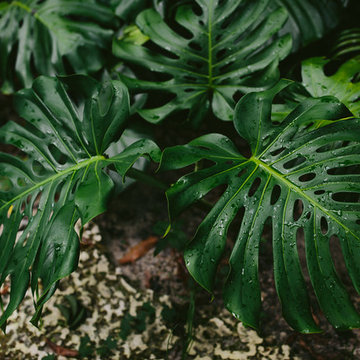
Inspiration for a large tropical partial sun side yard gravel formal garden in Miami for summer.
Inspiration for a large tropical partial sun side yard gravel formal garden in Miami for summer.
 CaliScape Landscape Services
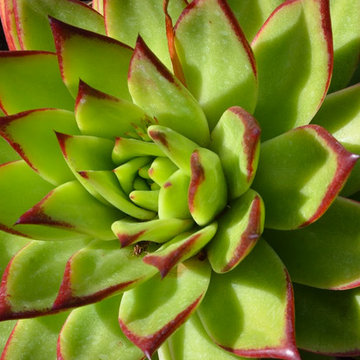
Succulents are an easy low maintenance way to spruce up your outdoor, or indoor, spaces. These plants require very low water usage making them a perfect plant for the southwestern United States, or for the plant lover who is constantly forgetting their watering can.
 Kansas City Landscape
>
Services
CATEGORIES OF SERVICES
~MEMORIAL FOUNTAINS KANSAS CITY
~ARCHITECTURAL POOL FOUNTAINS
KANSAS CITY
~SPRAY RINGS KANSAS CITY
~FLOATING FOUNTAINS KANSAS CITY
~ARCHITECTURAL FOUNTAINS KANSAS CITY
~INTERACTIVE FOUNTAINS KANSAS CITY
~STATUARY FOUNTAINS KANSAS CITY
~ROCK - BOULDER FOUNTAINS
KANSAS CITY
~WATERWALLS KANSAS CITY
~DISPLAY FOUNTAINS KANSAS CITY
~WATERFALL - FOUNTAINS KANSAS CITY
~RAINBARS AND RAIN CURTAINS
KANSAS CITY
~INTERIOR FOUNTAINS KANSAS CITY
~WATER FEATURE CONSTRUCTION
KANSAS CITY
~WATER FEATURE DESIGN AND
ENGINEERING KANSAS CITY
~CUSTOM FOUNTAIN FABRICATION
KANSAS CITY
-WATER FEATURE, FOUNTAIN, RAINBARS,
SPRAY RINGS, FLOATING FOUNTAINS
~BAPTISMAL FONT KANSAS CITY
~ARCHITECTURAL PARKING LOT FOUNTAIN KANSAS CITY
~INFINITY EDGE FOUNTAIN KANSAS CITY
~CURRENT WATER FEATURE PROJECT
KANSAS CITY
~FIRE AND WATER FOUNTAINS
KANSAS CITY
~HOSPITAL FOUNTAIN KANSAS CITY
~AMUSEMENT PARK FOUNTAINS
KANSAS CITY
~CORPORATE HEADQUARTERS FOUNTAINS KANSAS CITY
~POND FOUNTAIN KANSAS CITY
~RAINBARS *FEATURED ON CURB APPEAL*
KANSAS CITY
~FOUNTAIN PUMPS/PARTS KANSAS CITY
-LAKE MANAGEMENT KANSAS CITY
-POOL CONSTRUCTION KANSAS CITY
-POOL MAINTENANCE AND MANAGEMENT
KANSAS CITY
FOUNTAIN SERVICES KANSAS CITY
Fountain Design and Construction
Tile and Stone Installation
Underwater Fountain Lighting
Plumbing, Filtration and Waterproofing
Regular Fountain Maintenance
Water Feature Integration
Clean Pump Intake Screens
Clean Mechanical/Biological Filter Media
Clean Skimmer Baskets/Strainers
Clean Decorative Spitters, Nozzles, Art Pieces
Brush Interior Fountain Basin
Skim Surface Area to Remove Debris
Fountains - Monitor Water Chemical Levels
Add Water Chemicals as Required
Repair Fountain Equipment as Required
Ponds - Monitor Pond Water Levels
Add Natural Pond Products as Required
Repair Pond Equipment as Required
Evaluate if Replacement Parts are Needed (example: filter media pads, light bulbs)
Test Fountain/Pond Electrical & Lighting
 Fitz's Fish Ponds
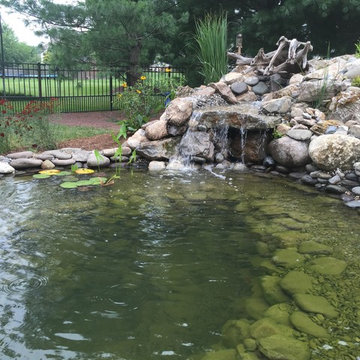
One of two spillways on the pond.
Photo of a mid-sized traditional partial sun backyard water fountain landscape in New York.
Photo of a mid-sized traditional partial sun backyard water fountain landscape in New York.
11