
Search results for "Buyers compare" in Home Design Ideas
 Paradise Found Construction
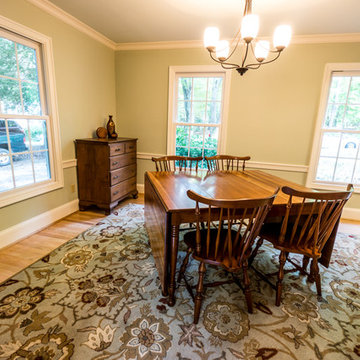
The homes in Heritage Hills in Chapel Hill, NC are representative of the popularity and explosive growth of American Home Ownership that occurred during the economic expansion that followed the end of WW II. They were designed and built to foster the benefits and sense of “community”, where families could come together and share theirs and their children’s lives. They are typically in very desirable locations within their larger communities, and remodeling them with modern amenities, increasing the performance and efficiency of them, and having them Green Certified (independent third-party verified) makes them extremely attractive to buyers, and helps to raise other property values within the neighborhood.
Green Certified Remodeled Homes offer significant value and advantage in the marketplace over similar homes in their area, which is especially important as a new, younger era of home buyers enter the market. Current trends suggest that younger (as well as many “seasoned”) homeowners are interested in smaller, more efficient (and thus affordable) homes situated closer to shopping, their work, entertainment opportunities, and access to the economic and environmental benefits of mass transit.
These older homes also offer an additional value that is continuing to gain visibility and appreciation in the market place. They were built from lumber from slower-growth trees (denser and harder wood), and as such offer superior structural support compared to the same home built using lumber from today’s faster-growing (softer and less-dense wood) trees.
Robin and Kent had lived in their 2-story Gambrel Roof home in Heritage Hills since 1994. The house was structurally sound, due in large part to the old-growth (and denser) yellow pine that was used in its framing. They loved the quiet neighborhood, its sense of community and amenities, and their home. It suited their life-style and needs; and they had decided that they would remain in the home. It was showing its age, and was in need of general repairs and maintenance, and its energy, water, and indoor air quality performance was continuing to increase their ongoing cost of ownership.
Robin loved the screen porch that looked out on their private and nicely landscaped back yard, but she wanted to be able to use it in the colder months of the year. She was unsatisfied with the kitchen and the mud room / laundry room, and the darkness of other living spaces. A previous water leak in the laundry room had resulted in a large patch of mold that had compromised flooring, wall board, and insulation and contributed to the homes reduced indoor air quality.
The home lacked insulation in the crawl, and inadequate insulation in the attic. The single HVAC unit had been replaced a few years earlier with a more efficient unit, but with a single programmable thermostat control on the first floor and aging and un-insulated ducting, the second floor was often over-heated in the summer months.
The original wood windows had begun to deteriorate and were drafty and inefficient, and the original wood-burning fireplace was an open conduit for escaping conditioned air as well as an inlet for wood-smoke smelling air being pulled into the home. The siding had been replaced a few years earlier with a cement-fiber product, but the exterior wood trim was compromised and beginning to look unsightly. Its original architecture had been altered over the years in ways that presented ongoing maintenance and durability issues, as well as disrupting the elegance of the original design.
Kent has worked for over 30 years in the Environmental Sciences field, and is considered to be a national expert in understanding the sources of, and human exposure to pollutants in indoor environments. He had always been very conscious and cautious about the effects on indoor air quality that the construction, furnishings, and products used in home had on him and his family.
Project Goals
Increase the performance of their home by improving energy efficiency by at least 40% and lowering their natural gas and electric utility costs.
Increase the performance of their home by reducing water usage by at least 40% and lowering the water utility costs.
Increase the comfort of their home that was being compromised by an inadequate HVAC design, inadequate insulation, inefficient and compromised wood windows, and copious air intrusions and drafts.
Improve the healthiness of the homes indoor air quality that was being compromised by an open wood-burning fireplace, and prior water intrusion that had allowed colonies of mold to thrive.
Create a new Kitchen, Family Room, Home Office, Mudroom, and Laundry Room that featured some of the latest designs and trends and harmonized with the rest of the homes charm.
Increase the usefulness and aesthetics of the screened porch by creating a warm and inviting semi-conditioned 3-Season Room that extended the times during the year that it was comfortable.
Introduce day-lighting into areas of the home that were dark and uninviting.
Brighten and harmonize all of the interior finishes.
Protect and restore the exterior of the home with superior-performing products and finishes.
Achieve Gold Level Green Home Certification in conformance with the ICC 700-2012 National Green Building Standards (NGBS).
 Legendary Real Estate
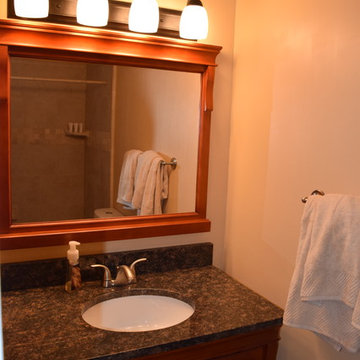
The bathroom was redone with a new granite countertop with undermount sink, hardware cabinet and matching mirror.
{Featured Story} Spring, 2015 – This condo was purchased from the estate of the new owner’s parents and refurbished with trendy new touches. There were no close comparables in the Farmington neighborhood with within walking distance to the urban downtown area, so the approach for selling was to create an entirely new set of comparables when the new owner was found. On the market for just days, the renovation, marketing and finishing touches made this a highly sought after, and quick to sell property at top dollar, establishing a new trend in the neighborhood.
{Our Process for this Featured Property}: Assessed the initial investment condo, offered suggestions for rehab and renovation. Assisted with Color Theory through color selection and process (no beige in this condo!). Helped select floor and counter materials, tile selection and features in the kitchen and bath. Final staging of the property was done with antiques and housewares, and created a cozy and lived in feel. As a final touch, a party was thrown when the property was completed to invite in friends and family, as well as an open house with freshly baking chocolate chip cookies to make the prospective buyers feel right at home!
{Outcome} This property sold in days as a cash sale, at a higher price than anything in the neighborhood – and closed quickly. Both the seller and buyer were thrilled with this transaction!
 Bungalows for sale in Mississauga
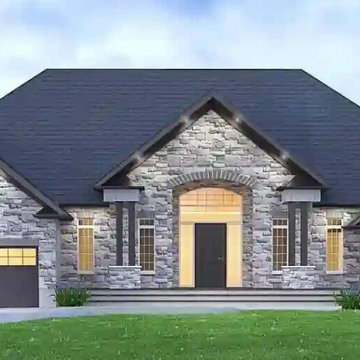
Are you looking for an investment property? Have you been considering buying a bungalow in Brampton? If so, then this post is for you. This article will discuss the benefits of purchasing a bungalow in Brampton and how it can be an excellent real estate investment.
The Appeal of Bungalows
Bungalows are an incredibly popular style of house for many reasons. For one thing, they tend to have large lots, making them ideal for people who want plenty of outdoor living space. They are also cozy and comfortable, with one level that makes them very easy to maintain and navigate. Bungalows often come with charming features such as fireplaces and bay windows that give them character and charm. In short, they make great starter homes or retirement residences—and excellent investments!
Buying Property in Brampton
Brampton is an attractive city for investors because it has consistently seen real estate values rise year after year. The city is home to more than 600,000 residents, making it the ninth-largest city in Canada by population. It's also a major economic centre with many large companies based there, which means plenty of job opportunities and potential buyers or renters if you do decide to invest in a property here.
In addition to being attractive to investors, Brampton is also attractive to prospective homeowners because it offers great amenities such as parks, shopping centres, restaurants and entertainment venues. All these things make Brampton an attractive place to live—which makes buying a bungalow here even more appealing!
Furthermore, there are many different types of bungalows available in Brampton—from traditional models with stunning architecture to modern designs with open floor plans—so no matter what kind of house you're looking for, you'll likely find something that fits your needs here. Furthermore, there are plenty of agents who specialize in selling bungalows in Brampton who can help guide you through the process.
Conclusion: Investing in a bungalow in Brampton is an excellent choice for real estate investors looking for both financial gain and personal satisfaction from their purchase. Its robust economy and high quality of life coupled with its wide variety of housing options available at affordable prices make investing here especially appealing. Whether you plan on renting out your property or living there yourself, investing in a bungalow will certainly be worth your while!
Find the right local pro for your project
 Legendary Real Estate
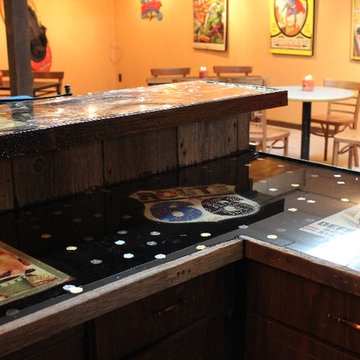
A lower level bar and entertaining area was added, by repurposing the old kitchen cabinets, adding some 100 year old barn wood, installing a custom poured epoxy counterop and decorative accents, the entertaining area was the favorite room in the new renovation - adding a ton of living/entertaining space to this home!
{Featured Story} Spring, 2015 – This condo was purchased from the estate of the new owner’s parents and refurbished with trendy new touches. There were no close comparables in the Farmington neighborhood with within walking distance to the urban downtown area, so the approach for selling was to create an entirely new set of comparables when the new owner was found. On the market for just days, the renovation, marketing and finishing touches made this a highly sought after, and quick to sell property at top dollar, establishing a new trend in the neighborhood.
{Our Process for this Featured Property}: Assessed the initial investment condo, offered suggestions for rehab and renovation. Assisted with Color Theory through color selection and process (no beige in this condo!). Helped select floor and counter materials, tile selection and features in the kitchen and bath. Final staging of the property was done with antiques and housewares, and created a cozy and lived in feel. As a final touch, a party was thrown when the property was completed to invite in friends and family, as well as an open house with freshly baking chocolate chip cookies to make the prospective buyers feel right at home!
{Outcome} This property sold in days as a cash sale, at a higher price than anything in the neighborhood – and closed quickly. Both the seller and buyer were thrilled with this transaction!
 George Woods
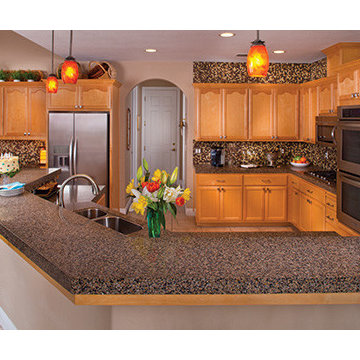
Upgraded countertops are one of the most valuable assets you can have in your home. Granite remains the favorite choice for kitchens and bathrooms, and the benefits it offers are abundant. Not only do granite countertops invite daily enjoyment and utility, they can also increase the value and desirability of your home, and give you a higher return on investment (ROI) than many other remodeling projects.
Return On Investment
Remodeling Magazines Cost vs. Value Report, which provides an annual look at individual remodeling projects and their ROI, reported that a minor kitchen remodel returns 79.3 percent ROI. Countertops are a key element of the remodel, along with items such as cabinets, appliances, and flooring.
Upgrading bathroom countertops to granite has a similar impact, with a 70 percent ROI on a minor bathroom renovation.
The ROI is an important factor for those looking to renovate because it presumes an easier home sale at a higher home price.
"Granite or marble countertops will make a home more appealing to buyers than will older countertops made from materials like laminate or wood," said the New York Times.
Easier To Maintain
Granite countertops are also easier to maintain than many others, which can help indecisive remodelers make a choice.
"Marble is softer and more porous than the nearly indestructible granite, and so it can etch (scratch) and stain in a way that granite usually won't," said the kitchen.
Quartz is considered among the easiest surfaces to take care of and is also a growing trend; add a glass mosaic tile backsplash to create a fancy and functional kitchen. Looking to express your more modern side? Try a recycled glass countertop to create a showstopping kitchen that is also friendly to the Earth.
A Better Alternative
Cabinet Refacing: The Smart, Financially Sound Choice
Brand new cabinets are something most of us would love to add to our home. But when we see the cost, those cabinets are often off the table. New cabinets cost thousands of dollars at a minimum and can rise to numbers rivaling a luxury car. Refacing costs a fraction of the cost of new cabinets while providing a fresh new look to your space.
New cabinets can be budget busters
"Most cabinets range from $500 to $1,500 per cabinet box," said Better Homes and Gardens. "Based on an estimated 30 cabinets in an average-size kitchen, you can be looking at a cost of about $15,000-$45,000."
If you're planning a small or midsize renovation, that could eat up your whole budget. Refacing instead of replacing can save you money and time, allowing you to use those funds in another area or simply lowering your renovation cost.
"Fans of refacing say this mini-makeover can give a kitchen a whole new look at a much lower cost than installing all-new cabinets," said HGTV. "Cabinet refacing can save up to 50 percent compared to the cost of replacing.
Jaymi Naciri is the award-winning author of hundreds of original articles focused on real estate, interior design, and home improvement.
Granite Kitchen & Bathroom Countertops at Granite Transformations Ventura provides products made from engineered stone, quartz & recycled Glass
Photo Provided by Granite Transformations Corporate
 Legendary Real Estate
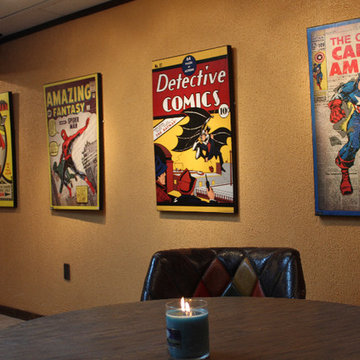
A lower level bar and entertaining area was added, by repurposing the old kitchen cabinets, adding some 100 year old barn wood, installing a custom poured epoxy counterop and decorative accents, the entertaining area was the favorite room in the new renovation - adding a ton of living/entertaining space to this home!
{Featured Story} Spring, 2015 – This condo was purchased from the estate of the new owner’s parents and refurbished with trendy new touches. There were no close comparables in the Farmington neighborhood with within walking distance to the urban downtown area, so the approach for selling was to create an entirely new set of comparables when the new owner was found. On the market for just days, the renovation, marketing and finishing touches made this a highly sought after, and quick to sell property at top dollar, establishing a new trend in the neighborhood.
{Our Process for this Featured Property}: Assessed the initial investment condo, offered suggestions for rehab and renovation. Assisted with Color Theory through color selection and process (no beige in this condo!). Helped select floor and counter materials, tile selection and features in the kitchen and bath. Final staging of the property was done with antiques and housewares, and created a cozy and lived in feel. As a final touch, a party was thrown when the property was completed to invite in friends and family, as well as an open house with freshly baking chocolate chip cookies to make the prospective buyers feel right at home!
{Outcome} This property sold in days as a cash sale, at a higher price than anything in the neighborhood – and closed quickly. Both the seller and buyer were thrilled with this transaction!
 Legendary Real Estate
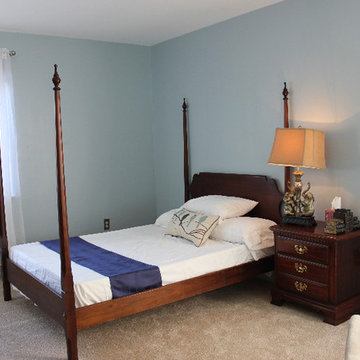
The bedrooms got a fresh coat of paint, new window treatments, hung well above the window to add height to the room, and new carpet.
{Featured Story} Spring, 2015 – This condo was purchased from the estate of the new owner’s parents and refurbished with trendy new touches. There were no close comparables in the Farmington neighborhood with within walking distance to the urban downtown area, so the approach for selling was to create an entirely new set of comparables when the new owner was found. On the market for just days, the renovation, marketing and finishing touches made this a highly sought after, and quick to sell property at top dollar, establishing a new trend in the neighborhood.
{Our Process for this Featured Property}: Assessed the initial investment condo, offered suggestions for rehab and renovation. Assisted with Color Theory through color selection and process (no beige in this condo!). Helped select floor and counter materials, tile selection and features in the kitchen and bath. Final staging of the property was done with antiques and housewares, and created a cozy and lived in feel. As a final touch, a party was thrown when the property was completed to invite in friends and family, as well as an open house with freshly baking chocolate chip cookies to make the prospective buyers feel right at home!
{Outcome} This property sold in days as a cash sale, at a higher price than anything in the neighborhood – and closed quickly. Both the seller and buyer were thrilled with this transaction!
 Legendary Real Estate
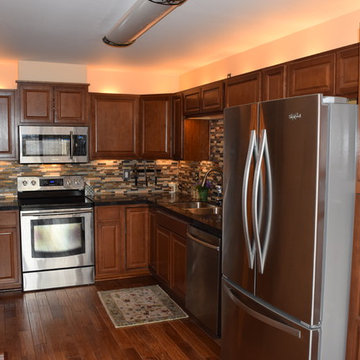
A glass/stone/metallic tile was chosen for the backsplash and Granite Transformations tile with a stainless undermount sink and stailess appliances were chosen for the kitchen. Hardwood flooring was added, and above the cabinet lighting to brighten up the kitchen.
{Featured Story} Spring, 2015 – This condo was purchased from the estate of the new owner’s parents and refurbished with trendy new touches. There were no close comparables in the Farmington neighborhood with within walking distance to the urban downtown area, so the approach for selling was to create an entirely new set of comparables when the new owner was found. On the market for just days, the renovation, marketing and finishing touches made this a highly sought after, and quick to sell property at top dollar, establishing a new trend in the neighborhood.
{Our Process for this Featured Property}: Assessed the initial investment condo, offered suggestions for rehab and renovation. Assisted with Color Theory through color selection and process (no beige in this condo!). Helped select floor and counter materials, tile selection and features in the kitchen and bath. Final staging of the property was done with antiques and housewares, and created a cozy and lived in feel. As a final touch, a party was thrown when the property was completed to invite in friends and family, as well as an open house with freshly baking chocolate chip cookies to make the prospective buyers feel right at home!
{Outcome} This property sold in days as a cash sale, at a higher price than anything in the neighborhood – and closed quickly. Both the seller and buyer were thrilled with this transaction!
 safe ZOnea
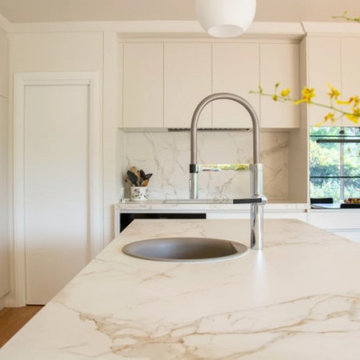
Ask a kitchen designer in Chicago which countertop question comes up most and you will hear the same answer: white or off-white quartz, and which shade. Homeowners walk into showrooms with a photo saved on their phone, usually a bright, veined slab from a magazine spread, and leave an hour later realizing there are a dozen versions of that same look. The confusion is not about taste. It is about the fact that "white quartz" covers a huge range of patterns, undertones, and price points, and nobody explains the differences before the sale.
Older bungalows and newer builds alike are getting stripped of their dated laminate and butcher block in favor of quartz, and the reasons are practical rather than trendy. Quartz does not need sealing, resists the kind of staining that granite can suffer over decades, and holds up to the freeze-thaw humidity swings that Chicago basements and kitchens go through every year. Once a homeowner commits to quartz, though, the real decision starts: which white, and does the pattern justify the difference in cost.
This piece walks through three specific slabs that keep showing up in Chicago renovation projects, why designers reach for them in different rooms, and what actually separates a flat white surface from one with real depth. None of this requires a design background to follow. It is mostly about paying attention to how a slab behaves under kitchen lighting, how busy the vending gets, and how it photographs versus how it looks in person.
Why White Quartz Took Over Chicago Kitchens
Ten years ago, granite dominated Chicago kitchen remodels almost by default. It was durable, it looked expensive, and every fabricator in the metro area carried a wide range of colors. Quartz has since taken over that position, and the shift happened faster than most contractors expected. Engineered stone gave homeowners a more predictable surface, since natural granite varies slab to slab while quartz is manufactured to a consistent pattern batch after batch.
The other driver is light. Chicago winters are long and gray, and a lot of kitchens, especially in older two-flats and courtyard buildings, do not get much direct sun. A dark granite countertop in a dim kitchen can make the whole room feel smaller. White and light-toned quartz reflects what little natural light comes through the windows, and it makes a galley kitchen or a north-facing space feel noticeably brighter without touching the cabinetry or the layout.
There is also a resale argument that local real estate agents bring up constantly. White quartz photographs well for listings, reads as updated and low-maintenance to buyers touring in person, and does not compete visually with whatever cabinet color the next owner might prefer. It is a safer bet than a bold veined marble look or a colored quartz that might feel dated in five years.
Arctic White and the Cost Question
Among the flatter, more uniform whites, arctic white quartz price comes up constantly in budget conversations because the slab sits at a more approachable point than the heavily veined Italian-marble-inspired patterns. It reads as clean and bright without the busy movement that some homeowners find overwhelming in a small kitchen. Fabricators in the Chicago area tend to keep it in stock precisely because demand stays steady across both new construction and remodel projects.
Part of what keeps this slab affordable relative to its heavily patterned cousins comes down to manufacturing complexity. A quartz surface with minimal veining and a consistent white base is simpler to produce at scale than one that mimics the irregular, high-contrast movement of natural Calacatta marble. That production difference shows up directly in what a homeowner pays per square foot, and it is worth asking a fabricator to walk through that pricing before assuming every white quartz costs the same.
Homeowners planning a full kitchen, including an island, backsplash, and perimeter counters, often use a flatter white like this specifically because it lets other elements carry the visual interest. A patterned tile backsplash or a bold cabinet color reads more clearly against a calm countertop than against one already fighting for attention with heavy veining. Designers frequently pair simpler whites with statement lighting fixtures for exactly this reason.
What Makes Calacatta Patterns Different
Calacatta refers to a family of marble originally quarried in Italy, known for a bright white background broken up by bold, often gold-toned veining that moves in thick, dramatic streaks rather than thin gray lines. Natural Calacatta marble is soft, porous, and expensive to maintain, which is exactly why quartz manufacturers spent years developing engineered versions that replicate the look without the upkeep headaches.
The challenge with any Calacatta-style quartz is getting the veining to look organic instead of printed. Early generations of engineered stone struggled with repetitive patterns that gave away the fact the slab was manufactured rather than cut from actual marble. Modern digital printing and layering techniques have closed that gap considerably, and the better Calacatta-inspired quartz lines now vary the veining across each slab batch so two counters in the same kitchen do not look identical.
Chicago designers gravitate toward Calacatta patterns for kitchens that function as the visual centerpiece of an open floor plan, which describes a large share of the gut renovations happening in neighborhoods like Lincoln Park, Roscoe Village, and the North Shore suburbs. When the kitchen island is visible from the living room and dining area, a dramatic veined surface becomes part of the home's overall design language rather than a purely functional work surface.
Calacatta Arno Under Kitchen Lighting
One of the more popular options in this category, calacatta arno quartz, balances a warm white base with soft gray and gold veining that avoids looking too stark under the cooler LED lighting common in newer Chicago builds. Homeowners touring showrooms sometimes make the mistake of judging a slab entirely under warm incandescent lighting, then get surprised when the same surface looks slightly different once installed under their kitchen's actual fixtures.
What separates this particular pattern from flatter competitors is how the veining clusters rather than spreading evenly across the slab. That clustering mimics the way real quarried marble forms, with denser mineral deposits in some sections and cleaner stretches in others. Fabricators cutting a large island slab from a single piece will often orient the pattern intentionally so the busiest veining lands somewhere visually interesting rather than getting cut off at an edge.
Because the background reads warmer than a stark white, this pattern tends to pair well with brass or matte gold hardware, a combination that has been showing up repeatedly in Chicago kitchen remodels over the past few renovation seasons. Cabinet painters report a similar trend, with more clients requesting warm white or greige cabinet colors specifically because they complement this kind of veined quartz better than a cooler, blue-toned white would.
Silestone's Version of the Calacatta Look
Manufacturers compete directly in this Calacatta-inspired category, and silestone eternal calacatta gold represents one brand's specific take on the pattern, distinguished by richer gold veining set against a brighter white base than some competing slabs in the same family. Silestone has built a reputation around anti-bacterial surface treatments in addition to the standard quartz durability, a detail some homeowners specifically ask about for kitchens used heavily by families with young children.
The veining in this particular slab tends to run in longer, more continuous lines compared to the clustered pattern found in some other Calacatta-style options, which gives large island surfaces a sense of visual flow from one end to the other. Fabricators working with bigger islands, the kind increasingly common in open-concept Chicago remodels, often favor patterns like this because there is less need to worry about seams interrupting a busy, disconnected pattern.
Price positioning for this slab tends to sit toward the upper end of the engineered quartz category, reflecting both the brand's manufacturing process and the complexity of replicating that continuous gold veining consistently across production batches. Homeowners weighing this option against other Calacatta-style quartz should ask their fabricator directly about batch availability, since premium patterns sometimes have longer lead times than standard stock colors.
Living With Quartz Day to Day
Beyond how a slab looks in a showroom or a listing photo, the daily experience of owning quartz countertops matters more once the renovation dust settles. Quartz resists scratching far better than laminate and holds up to the acidic spills, hot pans, and general abuse of an active kitchen without the sealing maintenance that natural stone requires every year or two. That low-maintenance reputation is a large part of why quartz overtook granite in the first place.
Heat resistance is a detail that gets less attention than it should. While quartz handles moderate heat well, manufacturers generally recommend using a trivet or pad for very hot pots straight off the stove, since sudden temperature shock can occasionally cause stress marks in the resin binder that holds the engineered stone together. This is a minor precaution rather than a major limitation, but it is worth mentioning to anyone assuming quartz is entirely indestructible.
Cleaning routines stay simple across almost every pattern in this category. A damp cloth and mild soap handle daily messes, and the nonporous surface means wine, coffee, and tomato-based sauces do not soak in the way they can with unsealed granite or marble. Homeowners moving from an older stone counter often mention how much less they worry about everyday spills once quartz is installed, which is a quality-of-life change that rarely makes it into the initial design conversation.
Choosing Between the Three
There is no single correct answer among these three slabs, and that is exactly why they keep coming up together in the same design conversations across Chicago renovation projects. A flatter white with minimal veining suits kitchens where other elements need to carry the visual interest, while a bolder Calacatta-inspired pattern makes sense when the countertop itself is meant to be the centerpiece of an open floor plan.
Budget matters too, and it is worth having a direct conversation with a fabricator about where each option lands before falling in love with a specific slab in a showroom. Lighting, cabinet color, and how the kitchen connects to the rest of the home all play into which pattern will actually look right once installation is finished rather than just in a photo.
Whatever direction a homeowner leans, seeing a full slab in person under actual kitchen lighting remains the single most useful step before signing off. Photos only go so far once the countertop is sitting in the room it will live in for years.
 Legendary Real Estate
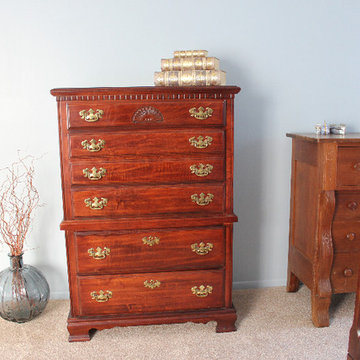
Simple accents were added so buyers could picture how furniture could work in the room.
{Featured Story} Spring, 2015 – This condo was purchased from the estate of the new owner’s parents and refurbished with trendy new touches. There were no close comparables in the Farmington neighborhood with within walking distance to the urban downtown area, so the approach for selling was to create an entirely new set of comparables when the new owner was found. On the market for just days, the renovation, marketing and finishing touches made this a highly sought after, and quick to sell property at top dollar, establishing a new trend in the neighborhood.
{Our Process for this Featured Property}: Assessed the initial investment condo, offered suggestions for rehab and renovation. Assisted with Color Theory through color selection and process (no beige in this condo!). Helped select floor and counter materials, tile selection and features in the kitchen and bath. Final staging of the property was done with antiques and housewares, and created a cozy and lived in feel. As a final touch, a party was thrown when the property was completed to invite in friends and family, as well as an open house with freshly baking chocolate chip cookies to make the prospective buyers feel right at home!
{Outcome} This property sold in days as a cash sale, at a higher price than anything in the neighborhood – and closed quickly. Both the seller and buyer were thrilled with this transaction!
 vaisha
 https://pratibhamarbles.com/products/marbles.html
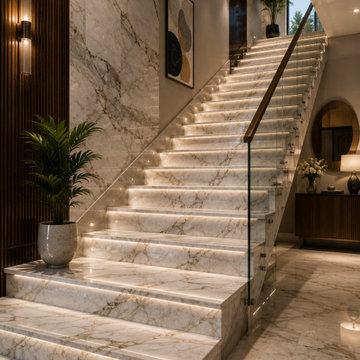
Searching for marble Bangalore options for elegant home interiors? Marble is often chosen for flooring, staircases, walls, countertops and other statement areas because it adds a refined look while offering natural patterns and lasting appeal. When selecting marble, buyers usually compare colour, veining, finish, thickness, durability, maintenance and price to match their space and budget. Pratibha Marbles offers a curated range of marble choices for residential and commercial projects, helping customers select suitable stone for stylish, practical and long-lasting interiors for modern spaces.
 pipexai
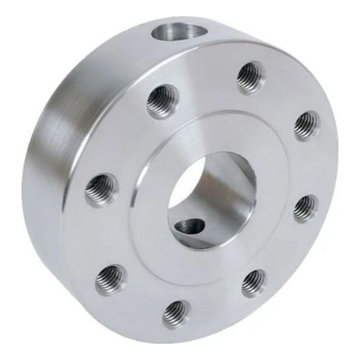
Pipex.ai is an example of an efficient sourcing option through a reliable B2B platform, where buyers can search for relevant components of intricate piping systems. The bleed ring flange can be used between two flanges to provide a safe way to measure the pressure, sample the fluid, and vent the pipeline without breaking the pipeline. This element is also extensively used in oil and gas, refineries, petrochemical plants, and power plants, where the aspects of operational safety and control are paramount. A buyer can also compare specifications, compliance information, and order certified bleed ring flanges that would fit in the high-pressure, high-temperature environment and ensure the system reliability, maintenance control, and continuous industrial processes.
In case of critical pipeline installations, the Bleed Ring Flanges Manufacturers prepare components that are built to fit between normal flanges without pressure reduction. The bleed ring flange will enable the controlled monitoring and isolation, which will reduce downtime even when inspection or sampling is in progress. A B2B Portal assists buyers in accessing qualified suppliers that will supply the products and materials that have been machined correctly, and a reliable supply. Adequate selection of the Bleed Ring Flange of the system would enhance safety precautions, system diagnostics, and add to the future efficacy of the systems, hence a required change in the case of industries operating with pressurized and hazardous media.
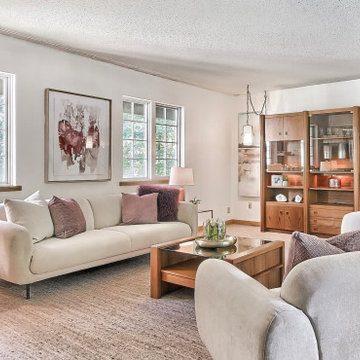
 Lori Pedersen Home
This home was custom built many decades ago, and had a character all its own. We decided to brighten it up with a fresh coat of paint, and some carefully chosen furnishings. We embraced the retro feeling, and it stood out when compared to all the other "McMansions" in the area. It sold in 19days, in a languishing market. Thrilled for the sellers, and excited that the new buyers will love it and make it their own.
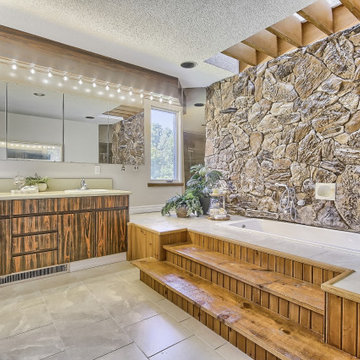 Lori Pedersen Home
This home was custom built many decades ago, and had a character all its own. We decided to brighten it up with a fresh coat of paint, and some carefully chosen furnishings. We embraced the retro feeling, and it stood out when compared to all the other "McMansions" in the area. It sold in 19days, in a languishing market. Thrilled for the sellers, and excited that the new buyers will love it and make it their own.
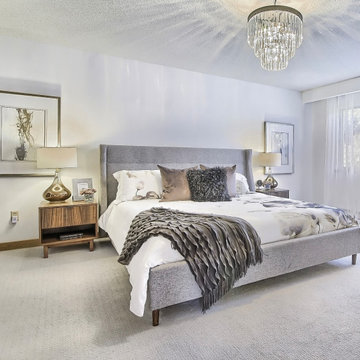 Lori Pedersen Home
This home was custom built many decades ago, and had a character all its own. We decided to brighten it up with a fresh coat of paint, and some carefully chosen furnishings. We embraced the retro feeling, and it stood out when compared to all the other "McMansions" in the area. It sold in 19days, in a languishing market. Thrilled for the sellers, and excited that the new buyers will love it and make it their own.
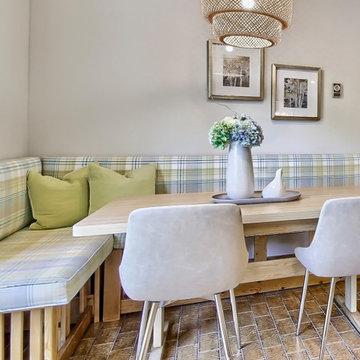 Lori Pedersen Home
This home was custom built many decades ago, and had a character all its own. We decided to brighten it up with a fresh coat of paint, and some carefully chosen furnishings. We embraced the retro feeling, and it stood out when compared to all the other "McMansions" in the area. It sold in 19days, in a languishing market. Thrilled for the sellers, and excited that the new buyers will love it and make it their own.
 Lori Pedersen Home
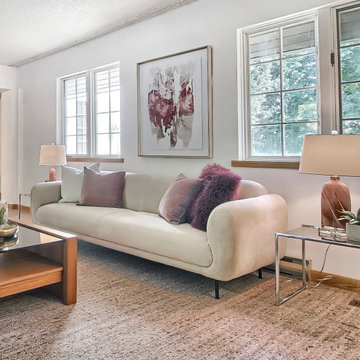
This home was custom built many decades ago, and had a character all its own. We decided to brighten it up with a fresh coat of paint, and some carefully chosen furnishings. We embraced the retro feeling, and it stood out when compared to all the other "McMansions" in the area. It sold in 19days, in a languishing market. Thrilled for the sellers, and excited that the new buyers will love it and make it their own.
 Longjin Craft
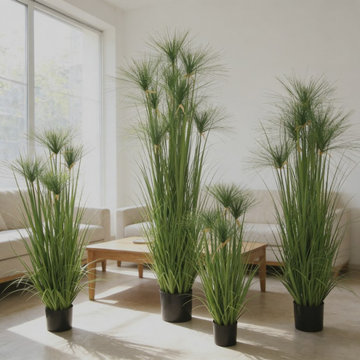
The Art of Wholesale Artificial Grass Potted Plants The demand is skyrocketing. A recent report shows a staggering 35% increase in the wholesale market for artificial potted plants in the last two years. How did we get here? DIY enthusiasts and retail designers alike are gravitating toward artificial options like never before. For instance, a pop-up shop in Austin showcased Longjin Craft’s artificial pampas grass, achieving record sales within the first week. Just imagine the impact such products can have on urban spaces where natural greenery struggles to thrive. Quality varies significantly. Some manufacturers cut corners, using inferior materials that fade or crumble within months. In stark contrast, premium brands such as Longjin Craft utilize advanced UV-resistant technology, ensuring durability and vibrant colors. The weight of high-quality polymer can feel surprising when comparing. Light as a feather? Not exactly. Some high-end options weigh substantially more, signifying their robust build. Trends and Innovations in the Market What’s trending? Sustainability, of course! Buyers are more eco-conscious. Reports indicate over 50% of consumers prefer brands that highlight their sustainability practices. Enter the world of recyclable artificial plants. Brands are innovating, shifting materials from merely synthetic to environmentally friendly composites. How can you not be impressed by this shift? The future looks greener—ironically speaking. Retailers are embracing unique selling propositions to set their brands apart. Take, for example, customizable potted plant arrangements. Imagine a landscape designer creating a bespoke setup featuring various plant species, with artificial variants like those from Longjin Craft fitting seamlessly into the surroundings. It’s a game-changer, keeping costs down while making spaces visually stunning. Practical Applications in Design Interior design is evolving. From coffee shops to luxury hotels, artificial potted grass is popping up everywhere. One case study revealed that a Southern California cafe increased customer dwell time by 25% after introducing strategically placed artificial plants. Imagine sipping your latte surrounded by lush greenery—all without the maintenance headaches. Commercial settings also benefit massively. Large office complexes are opting for artificial potted plants to create inviting environments. The rationale? Reduces maintenance costs and boosts employee morale. Can you believe a single office could save thousands annually by replacing natural greenery with artificial options? Longjin Craft has increasingly become a go-to choice for these installations, thanks to their reputation for striking aesthetics and quality.
 J.C. Design Group Inc.
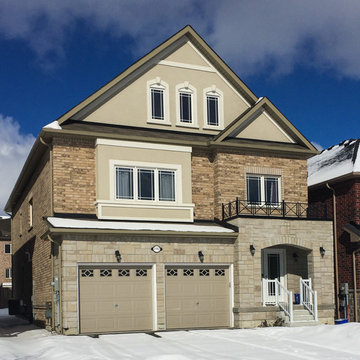
This home is unique for a builder home. The client was wanting to build a home with more useable finished space for the buyers, instead of having a unfinished basement that needs plenty of work. We took the basement out of the design and instead built up three storeys compared to the standard two storeys.
The large home was designed for a separate kids space and adult space. Adding the loft on the third floor is intended for a rec room and/or living space for the kids to get away and keep the main living space on the adults and family time. Not to mention it will help de-clutter the main floor of all kids toys and equipment, so when hosting family and friends there's less maintenance to do. The loft also has an option to add a 5th bedroom and 3rd full bath if desired.
 J.C. Design Group Inc.
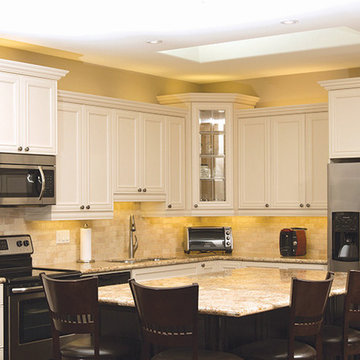
This home is unique for a builder home. The client was wanting to build a home with more useable finished space for the buyers, instead of having a unfinished basement that needs plenty of work. We took the basement out of the design and instead built up three storeys compared to the standard two storeys.
The large home was designed for a separate kids space and adult space. Adding the loft on the third floor is intended for a rec room and/or living space for the kids to get away and keep the main living space on the adults and family time. Not to mention it will help de-clutter the main floor of all kids toys and equipment, so when hosting family and friends there's less maintenance to do. The loft also has an option to add a 5th bedroom and 3rd full bath if desired
3